
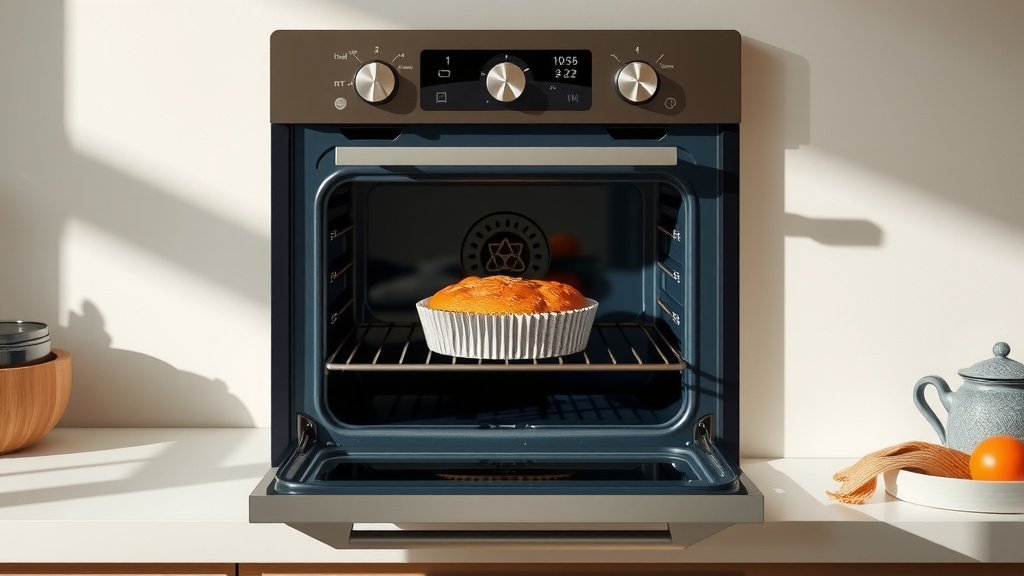
To bake a cake in a gas oven, always preheat it thoroughly to the recommended temperature, typically 325-350°F (160-175°C), and place your cake pan on the middle rack for even heat distribution.
Gas ovens often have hot spots, so rotating your cake halfway through baking can help achieve uniform cooking and prevent one side from burning.
Here’s a quick overview of how to bake cake in a gas oven:
- Always preheat your gas oven thoroughly before baking.
- Use an oven thermometer to verify the true temperature inside.
- Place your cake on the middle rack for the best heat flow.
- Rotate the cake halfway through baking to ensure even cooking.
- Check for doneness using a toothpick inserted into the center.
How To Bake Cake In A Gas Oven?
Baking a cake in a gas oven requires a slightly different approach than an electric one. You can achieve perfect results by understanding your oven’s unique characteristics and making small adjustments.
It’s all about mastering temperature control and managing the heat distribution.
Understanding Your Gas Oven
Gas ovens use a flame at the bottom to generate heat. This flame cycles on and off during baking. This cycling can cause temperature fluctuations, which might affect your cake’s texture and rise.
Many experts say that gas ovens often have a moister baking environment. This can be a benefit for cakes, helping them stay tender.
Why Gas Ovens Are Different
The heat source in a gas oven is usually at the bottom. This means the bottom of your oven can get quite hot. The top of the oven might be cooler, creating distinct temperature zones.
We found that understanding these hot and cool spots is key. It helps you decide where to place your cake for the best bake.
Preparing for Cake Success
Before you even mix your batter, preparation is everything. A little planning goes a long way in baking a delicious cake.
Think of it like laying a strong foundation for a house; it ensures everything else stands firm.
Gather Your Ingredients
Ensure all your ingredients are at room temperature. This helps them combine smoothly. Cold ingredients can cause your batter to curdle or become lumpy.
For instance, soft butter creams much better with sugar. Cold eggs don’t emulsify as well into a batter (Mayo Clinic).
Grease and Flour Your Pan
Prepare your cake pan carefully. Grease it thoroughly with butter or cooking spray. Then dust it with a light layer of flour.
This simple step prevents your cake from sticking. Nobody wants a beautiful cake ruined by sticking to the pan.
Getting Your Cake Batter Ready
Mixing your cake batter correctly is crucial. It sets the stage for a light and airy cake.
Don’t overmix; this can develop too much gluten, leading to a tough cake.
Mixing Tips for Perfect Batter
Follow your recipe instructions precisely. Cream butter and sugar until light and fluffy. Add eggs one at a time, mixing well after each addition.
Gently fold in dry ingredients. This ensures you incorporate everything without overworking the mixture.
Preheating Is Key
This step is non-negotiable for gas ovens. Don’t skip it, or your cake will suffer.
A properly preheated oven provides consistent heat from the moment your cake enters.
Using an Oven Thermometer
Gas oven temperatures can vary significantly from what the dial says. We found that an inexpensive oven thermometer is your best friend.
It gives you the true temperature inside. Preheat your oven to about 25-50°F higher than your recipe, then adjust it down once it reaches the correct temperature.
Placing Your Cake Correctly
Where you put your cake in a gas oven matters a lot. It directly impacts how evenly your cake bakes.
The middle rack is generally the safest bet for most cakes.
Finding the Sweet Spot
Place your cake pan on the middle rack. This position offers the most balanced heat. It’s far enough from the bottom flame and not too close to the top.
Some bakers might use a baking steel or stone on the bottom rack. This can help stabilize the temperature and reduce intense bottom heat.
Temperature Control Matters
Maintaining a steady temperature is vital for baking. Gas ovens can be a bit finicky in this area.
Keep the oven door closed as much as possible to avoid temperature drops.
Adjusting for Hot Spots
Many gas ovens have hot spots. We found that the back of the oven often runs hotter. You might notice one side of your cake browning faster than the other.
To combat this, consider rotating your cake pan halfway through the baking time. A quarter or half turn is usually sufficient.
Baking Time: A General Guide
Always follow your recipe’s suggested baking time as a starting point. But remember, ovens vary.
Your gas oven might bake faster or slower than an electric oven, so be prepared to adjust.
When to Start Checking
Begin checking your cake about 5-10 minutes before the recipe suggests. This prevents overbaking.
Opening the oven too early can cause the cake to sink, especially in the first two-thirds of baking.
Checking for Doneness
Knowing when your cake is perfectly baked is a skill you’ll develop with practice. There are a few reliable methods.
Don’t rely just on sight; a visual check is good, but a physical test is better.
The Toothpick Test
Insert a clean wooden toothpick into the center of the cake. If it comes out clean or with moist crumbs attached, your cake is done.
Wet batter on the toothpick means it needs more time. This is the most common and reliable method.
Other Doneness Indicators
The cake should spring back when lightly touched in the center. The edges should pull slightly away from the pan.
Also, a fully baked cake will often stop “singing” or bubbling, and the top will look golden brown.
Cooling Your Cake Patience!
This step is just as important as baking. Rushing it can ruin your hard work.
Allowing the cake to cool properly prevents it from collapsing or becoming sticky.
Initial Cooling in the Pan
Let your cake cool in the pan for 10-15 minutes after removing it from the oven. This allows it to firm up.
If you try to remove it too soon, it might break apart.
Cooling on a Wire Rack
After the initial cooling, invert the cake onto a wire rack. Let it cool completely before frosting or serving.
A wire rack allows air to circulate all around the cake, preventing condensation and sogginess.
Troubleshooting Common Issues
Baking isn’t always perfect, especially with a new oven. Don’t worry, many common problems have simple solutions.
Consider these tips if your cake isn’t turning out quite right.
Common Gas Oven Cake Problems:
| Problem | Possible Cause in Gas Oven | Solution |
|---|---|---|
| Cake bakes unevenly | Hot spots, no rotation | Rotate cake halfway, use oven thermometer |
| Bottom burns easily | Too close to the flame | Use middle rack, consider a baking steel on bottom rack |
| Cake sinks in the middle | Oven door opened too early, underbaked | Do not open door during early baking, ensure proper doneness |
| Dry cake | Overbaking, too high temp | Use oven thermometer, check doneness early |
Essential Baking Tools
Having the right tools makes a big difference. They help you achieve consistent results and make baking more enjoyable.
You don’t need a professional kitchen, just a few key items.
- Oven Thermometer: Absolutely essential for gas ovens.
- Timer: Don’t rely solely on memory.
- Cake Pans: Good quality pans conduct heat evenly.
- Wire Cooling Rack: For proper air circulation.
- Measuring Cups and Spoons: Accuracy is crucial in baking.
Tips for Even Baking
Even baking is the goal for any cake. Here are some quick ideas to help you achieve it.
These small actions can make a big impact on your cake’s texture and appearance.
Here’s a quick checklist for even baking:
- Always preheat your oven for at least 20 minutes.
- Use parchment paper on the bottom of your pan.
- Ensure your cake batter is at room temperature.
- Avoid opening the oven door frequently.
- Rotate your cake pan midway through baking.
- Check the cake in multiple spots for doneness.
Maintaining Your Oven
A clean oven performs better. Regular maintenance can even out temperatures and improve efficiency.
A dirty oven can produce off-flavors or uneven heat due to accumulated grease.
Cleaning Your Gas Oven
Wipe up spills promptly to prevent them from baking onto surfaces. Follow your oven manufacturer’s cleaning instructions.
Many experts say that a self-cleaning cycle can be very effective for heavy-duty cleaning.
Conclusion
Baking a cake in a gas oven truly is a rewarding experience once you understand its quirks. By using an oven thermometer, preheating thoroughly, and rotating your cake, you’re well on your way to baking success.
Don’t be afraid to experiment and get to know your specific oven. Every oven has its own personality, and yours is no exception. Happy baking!
What is the best temperature to bake a cake in a gas oven?
The best temperature to bake a cake in a gas oven is typically 325-350°F (160-175°C), matching your recipe. However, always verify your oven’s true temperature with an external oven thermometer, as gas ovens can vary significantly from the dial setting.
Should I rotate my cake in a gas oven?
Yes, rotating your cake halfway through the baking time in a gas oven is highly recommended. Gas ovens often have hot spots, and turning the cake ensures more even baking and prevents one side from burning or becoming overly brown.
Why does the bottom of my cake burn in a gas oven?
The bottom of your cake might burn in a gas oven because the heat source (the flame) is at the bottom, making it the hottest part. To prevent this, place your cake on the middle rack. You can also try placing an empty baking sheet or a baking steel on the rack below your cake to act as a heat shield.
How do I know when my cake is done in a gas oven?
To know when your cake is done, insert a clean wooden toothpick or skewer into the center. If it comes out clean or with only a few moist crumbs attached, the cake is ready. Additionally, the cake should spring back when lightly touched, and the edges will slightly pull away from the pan.
Can I open the gas oven door to check on my cake?
It’s best to avoid opening the gas oven door, especially during the first two-thirds of the baking time. Opening the door causes a significant drop in temperature, which can make your cake collapse or prevent it from rising properly. Wait until at least two-thirds of the baking time has passed before quickly checking or rotating.
