
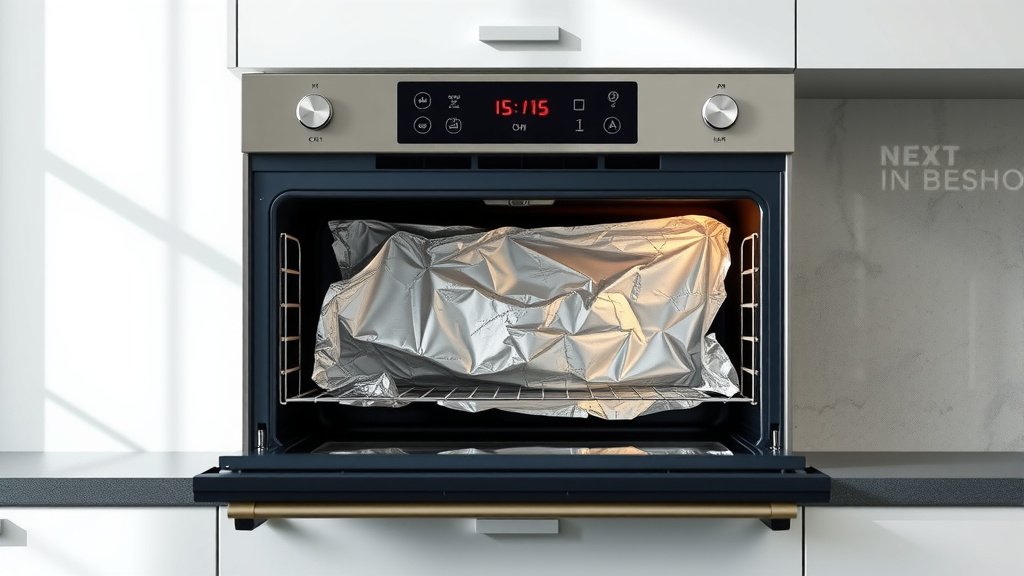
Yes, you can often put aluminum foil in a countertop oven, but you must do so with extreme caution and specific guidelines. Improper use can lead to serious safety hazards, including fire and damage to your appliance.
Always check your oven’s manufacturer manual first, as some brands or models strictly advise against using foil to prevent electrical arcing and heat damage.
Here’s a quick overview of what you need to know:
- Generally, you can use foil to cover food or line trays.
- Avoid foil from touching heating elements or oven walls.
- Never line the bottom of your countertop oven with foil.
- Always refer to your specific oven’s user manual for best practices.
Can You Put Aluminum Foil In Countertop Oven?
You can use aluminum foil in many countertop ovens for various cooking tasks, but it requires careful attention to placement and quantity to ensure safety and proper function. Always prioritize the instructions from your oven’s manufacturer.
Why Do People Use Foil in Countertop Ovens?
Many home cooks reach for aluminum foil. It helps to keep foods moist and prevents them from over-browning. You might also use it to make cleanup a breeze, especially with sticky or cheesy dishes. It’s a handy tool when used correctly.
The Potential Dangers of Aluminum Foil
While foil is convenient, it carries risks. Misusing it in your countertop oven can create real problems. We need to understand these dangers to prevent accidents.
Risk of Fire and Electrical Arcing
This is the most critical concern. If aluminum foil touches the heating elements, it can cause electrical arcing. This looks like sparks and flashes, and it’s a major fire hazard (Underwriters Laboratories). We found that arcing happens because foil is a conductor and can create a short circuit.
Uneven Heat Distribution and Oven Damage
Foil reflects heat, which sounds good, right? But in a small countertop oven, this reflection can be too much. It might cause hot spots or block heat from reaching food properly. We also found that continuous high heat reflection can sometimes damage the oven’s internal coating or components.
Blocking Airflow and Vents
Countertop ovens need good air circulation to cook food evenly and prevent overheating. If you use too much foil, or place it poorly, it can block these vents. This makes your oven less efficient and can even cause it to malfunction over time.
When Can You Safely Use Foil?
There are definitely times when foil is safe and helpful. Think of it as a cooking aid, not a liner for the entire oven. You’re aiming for protection, not total coverage.
Lining Baking Pans or Trays
Using foil to line the specific baking pan that came with your oven is generally fine. This prevents food from sticking and makes cleaning easy. Just be sure the foil doesn’t hang over the edges and never touches the heating elements. Keep it confined to the pan itself.
Covering Food to Prevent Burning
Sometimes you need to prevent the top of a dish from getting too dark. A loose tent of aluminum foil can do the trick. Place it gently over your casserole or roast during the last part of cooking. Ensure it doesn’t touch the heating elements above.
Creating Small Barriers
If you have a particularly messy item, you might use a small piece of foil to catch drips. Again, make sure it’s only in the tray and away from all sides and heating components. Think of it as a small, contained shield.
Tips for Safe Aluminum Foil Use in Your Countertop Oven
Safety is key when cooking with any appliance. Follow these simple rules to minimize risks when using foil.
- Always consult your oven’s manual first.
- Keep foil away from heating elements (top, bottom, and sides).
- Never line the bottom crumb tray with foil.
- Use foil only within the designated baking pan.
- Trim foil so it doesn’t overhang the pan edges.
- Avoid using large sheets of foil that could impede airflow.
- Monitor your oven closely when using foil for the first time with a new dish.
Alternatives to Aluminum Foil
What if you want to avoid foil altogether or your manual says no? There are great options available. Many experts suggest these for safer and healthier cooking.
| Purpose | Aluminum Foil | Alternative | Benefits of Alternative |
|---|---|---|---|
| Lining Pans | Yes, with caution | Parchment Paper, Silicone Mats | Non-stick, reusable (silicone), prevents burning |
| Covering Food | Yes, loosely | Oven-safe Lids, Glass Covers | Better moisture retention, often reusable |
| Catching Drips | Yes, in pan | Ceramic Dishes, Small Baking Dishes | More stable, reusable, often dishwasher safe |
Understanding Your Specific Oven
Every countertop oven is a bit different. Your toaster oven might have exposed elements, while a convection countertop oven has fans. We found that the user manual is your best friend for specific guidance. It provides details unique to your model.
Recognizing the Signs of Trouble
What if something goes wrong? You should know what to look for. If you see sparks, smell burning plastic, or notice unusual smoke, turn off the oven immediately. Unplug it and let it cool. Don’t try to troubleshoot while it’s hot or plugged in.
A Quick Safety Checklist
Before you even preheat, run through this mental list. It takes seconds but can prevent big problems.
- Is the foil touching heating elements? (No)
- Is the foil lining the bottom of the oven? (No)
- Is the foil confined to the baking pan? (Yes)
- Is there adequate airflow around the food? (Yes)
- Have I checked my oven manual for specific warnings? (Yes)
Myths vs. Facts About Foil Use
There’s a lot of chatter out there. Let’s clear up some common misunderstandings. Many people believe certain things that aren’t quite true. We’ve compiled the facts.
Myth: Foil makes food cook faster. Fact: Foil reflects heat, which can actually slow down cooking if not used properly. It’s better for shielding.
Myth: It’s fine to cover the entire rack with foil for easy cleaning. Fact: This blocks airflow and can cause uneven cooking or even damage to the oven’s components (Consumer Reports).
What Experts Say About Oven Safety
Safety experts consistently advise against lining the bottom of any oven, including countertop models, with aluminum foil. Many guidelines point to checking the manufacturer’s instructions as a good first step (NFPA). They prioritize preventing electrical hazards and maintaining appliance integrity.
Conclusion
Using aluminum foil in your countertop oven can be a convenient tool, but it’s not without its risks. The key is responsible and informed use. Always place foil strategically, keeping it away from heating elements and avoiding lining the oven’s bottom or crumb tray. By understanding the potential dangers and following safe practices, you can enjoy the benefits of foil without compromising safety or damaging your appliance. When in doubt, always reach for your oven’s manual or opt for safer alternatives like parchment paper or silicone mats. Your safety and the longevity of your oven are truly worth the extra moment of caution.
Can I line the bottom of my countertop oven with aluminum foil?
No, you should never line the bottom of your countertop oven with aluminum foil. This practice can trap heat, damage the oven’s finish, block vents, and significantly increase the risk of electrical arcing and fire by potentially contacting heating elements.
Is it safe to use heavy-duty aluminum foil in a countertop oven?
Heavy-duty aluminum foil presents the same risks as regular foil if used improperly. Its thickness does not make it safer for lining the oven bottom or for allowing it to touch heating elements. Always follow general safety guidelines for all types of foil.
Will aluminum foil affect my food’s taste or safety?
When used correctly, aluminum foil is generally safe for cooking and will not noticeably affect the taste of your food. However, prolonged exposure to acidic foods at high temperatures might cause minor leaching of aluminum, though this is usually considered negligible for most people (NIH).
Can I use aluminum foil in a convection countertop oven?
Yes, but with even greater caution. The fan in a convection oven can move lightweight foil, potentially causing it to touch heating elements or block the fan itself. Ensure foil is securely placed in a pan and trimmed so it cannot move around due to airflow.
What should I do if the foil sparks in my countertop oven?
If you see sparks or arcing, immediately turn off and unplug your countertop oven. Do not attempt to remove the foil while the oven is on or hot. Allow the oven to cool completely before carefully inspecting for damage and removing the foil. If arcing occurred, it’s wise to consult a service professional.
