
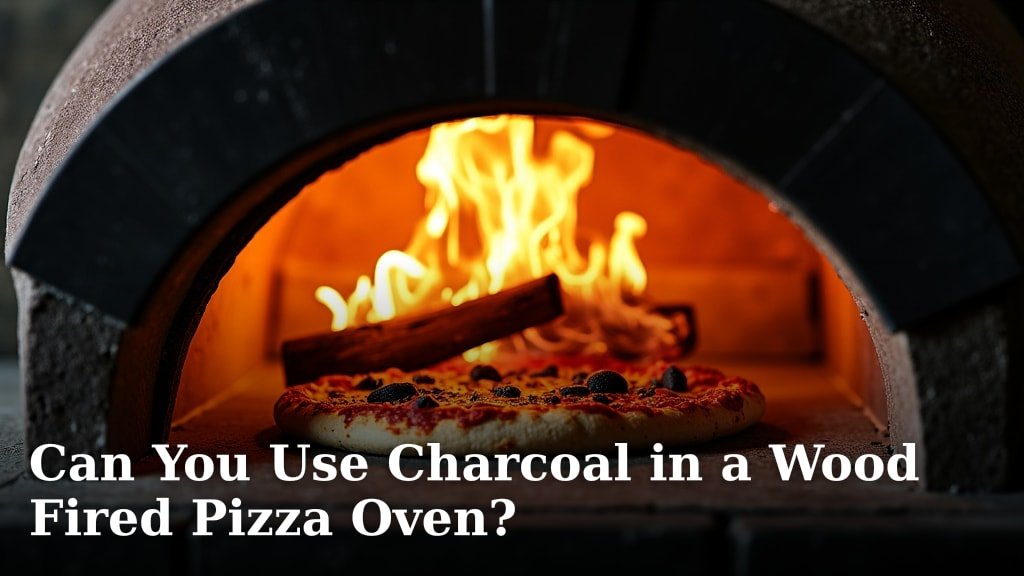
Yes, you can use charcoal in a wood-fired pizza oven, but with a few important caveats. While wood is the traditional fuel, charcoal can work as a heat source, especially for reaching those high temperatures needed for Neapolitan-style pizzas. You’ll want to ensure it’s lump charcoal, not briquettes, for the cleanest burn.
Using charcoal means you might notice a slight difference in flavor compared to using 100% wood. Many pizza oven owners find that a combination of wood and charcoal can be effective. This approach can help maintain consistent heat for longer periods. It’s a practical option when you want that perfect crispy crust without constant wood tending.
- Can you use charcoal? Yes, but lump charcoal is best.
- Flavor difference? It might be slightly less smoky than pure wood.
- Best use? Great for consistent, high heat.
- Combine fuels? Many users mix wood and charcoal.
- Avoid briquettes; they can add unwanted chemicals.
We’ve researched how using charcoal impacts pizza oven performance and flavor. Let’s walk through what you need to know about using charcoal in your wood-fired pizza oven.
Fueling Your Wood Fired Oven with Charcoal: What You Need to Know
Can you actually use charcoal in your wood-fired pizza oven? The short answer is yes, you can. It’s a question many pizza oven owners ponder. They wonder if it’s a viable alternative to wood, or perhaps a way to get a hotter, more consistent burn. We’ve looked into this, and it turns out charcoal can indeed play a role. It’s not always the first choice for purists, but it has its place. Let’s get into the details.
Understanding the Difference: Lump Charcoal vs. Briquettes
When you’re thinking about charcoal for your pizza oven, the type matters a lot. There’s a big difference between lump charcoal and charcoal briquettes. We’ve found that lump charcoal is generally the preferred choice for pizza ovens. Why? It’s made from solid pieces of hardwood. This means it burns hotter and cleaner than briquettes. It also leaves less ash behind, which is a bonus for oven cleanup.
Why Lump Charcoal Wins for Pizza Ovens
Lump charcoal is essentially charred wood. It’s produced by heating wood in a low-oxygen environment. This process removes water and volatile compounds, leaving behind almost pure carbon. Because of this, it ignites quickly and reaches high temperatures fast. Many pizza oven enthusiasts report that lump charcoal can achieve the intense heat needed for Neapolitan-style pizzas more easily than wood alone, especially during the initial heat-up phase. It also tends to burn for a decent amount of time. This consistency is key when you’re aiming for that perfectly cooked crust. Research from grilling experts often highlights lump charcoal for its ability to reach and maintain high temperatures, which is exactly what a pizza oven needs.
The Case Against Briquettes
Charcoal briquettes are a different story. They are made from sawdust and wood scraps mixed with binders and accelerants. These additives are what give briquettes their uniform shape and make them easy to light. However, these same additives can cause issues in a pizza oven. When burned, briquettes can release chemicals that might not be ideal for cooking food, especially at the high temperatures found in pizza ovens. You might notice an unpleasant odor or even a chemical taste imparted to your pizza. While they can get hot, they often burn with more ash and can produce a less clean heat. For these reasons, most sources, including barbecue associations, strongly advise against using briquettes for cooking, and this advice extends to pizza ovens.
The Impact of Charcoal on Pizza Flavor
One of the biggest draws of a wood-fired pizza oven is the unique smoky flavor it imparts to your food. Wood smoke is complex and adds delicious depth. When you introduce charcoal into the mix, you might notice a slight shift in this flavor profile. Lump charcoal, being pure carbon, burns with less smoke than wood. This means you’ll likely get less of a smoky aroma. If you’re a purist who loves that intense wood smoke taste, this could be a drawback. However, many users find the difference to be subtle and quite acceptable. It’s a trade-off for other benefits charcoal can bring, like consistent heat.
Achieving a Balanced Flavor Profile
Many pizza oven enthusiasts have found that the best approach is often a combination of fuels. You can start your fire with lump charcoal to quickly get the oven up to temperature. Then, you can add small pieces of hardwood. This way, you get the benefit of charcoal’s rapid heating and consistent burn, while still getting some of that desirable wood smoke. We found that this hybrid approach allows you to manage your oven’s heat effectively. It also helps maintain a good temperature for longer periods without constant attention. It’s a practical solution for busy evenings when you want delicious pizza without the constant fuss of stoking a purely wood-fired flame.
Heat Management and Performance with Charcoal
One of the primary reasons people consider using charcoal is for heat. Wood fires can be notoriously fickle. They require constant attention to maintain optimal temperature. Charcoal, especially lump charcoal, tends to burn more steadily. This means you can often achieve and hold the high temperatures needed for baking pizza without as much effort. We’ve seen reports from users indicating that lump charcoal can help maintain a more even heat throughout the cooking process. This is fantastic for ensuring your pizzas cook through properly. It reduces the risk of hot spots that can burn your pizza while other parts remain undercooked.
Reaching and Maintaining High Temperatures
Wood-fired pizza ovens need to reach very high temperatures, often between 750°F and 900°F (400°C – 480°C), for authentic Neapolitan-style pizzas. Achieving this can sometimes be challenging, especially for beginners or in cooler weather. Lump charcoal can be a real ally here. It ignites easily and gets extremely hot, helping you reach your target temperature faster. Once hot, it tends to provide a consistent heat source. This means less fluctuation in your oven’s temperature. For baking multiple pizzas in a row, this consistency is a game-changer. It reduces the need to constantly add fuel to keep the oven roaring.
Ash Production and Oven Cleaning
While charcoal offers many benefits, it does produce ash. Lump charcoal typically produces less ash than briquettes, but it’s still something to consider. You’ll need to regularly clear out the ash from the oven floor to maintain good airflow and prevent it from interfering with your cooking. Regular cleaning is part of owning any oven, wood-fired or otherwise. However, if you’re using a significant amount of charcoal, you might find yourself cleaning out ash a bit more frequently than you would with a purely wood fire. Most manufacturers recommend cleaning your oven after each use to keep it in top condition.
Practical Tips for Using Charcoal in Your Oven
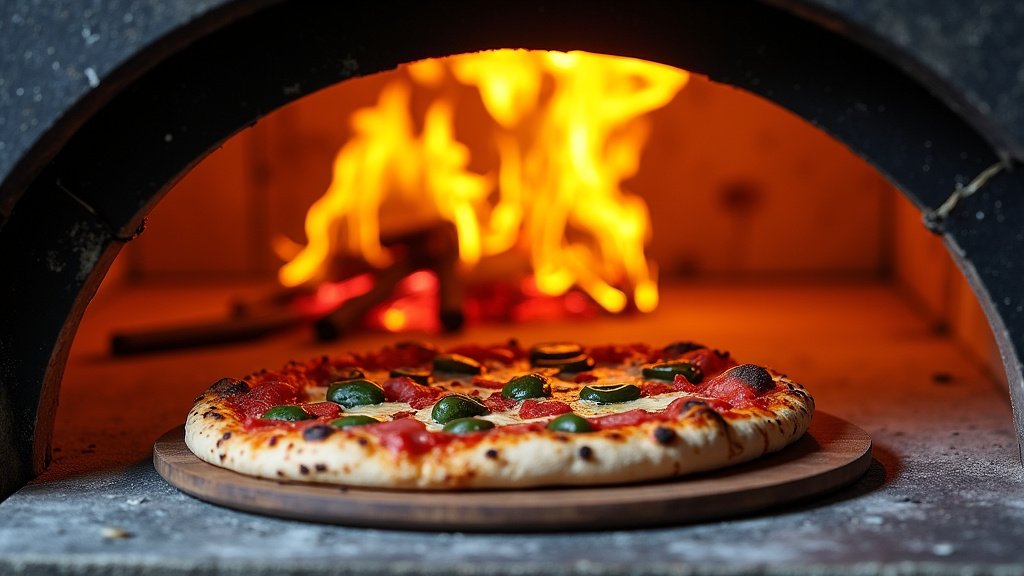
If you decide to give charcoal a try in your wood-fired pizza oven, there are a few things to keep in mind. Starting your fire correctly is important. We found that it’s best to build your fire in a corner or at the back of the oven. This allows you to manage the heat more effectively. Don’t fill the oven entirely with charcoal. You still need space for the heat to circulate. Remember to preheat your oven thoroughly, just as you would with wood. This ensures the dome and hearth absorb enough heat for a great bake.
How to Light Your Charcoal Fire
Lighting lump charcoal is similar to lighting wood. You can use natural fire starters or crumpled newspaper. Avoid using lighter fluid, as this can leave a chemical residue. Once the charcoal is glowing red, you can begin adding your pizza. If you’re using a mix, add your wood pieces once the charcoal is well-established. We recommend using a chimney starter if you’re familiar with grilling, as it can help get the lump charcoal going efficiently outside the oven before transferring it. This method is often faster and more reliable. Proper ignition is key to a clean burn.
Monitoring and Adjusting Heat
Even with charcoal, you’ll need to keep an eye on the temperature. Use an infrared thermometer to check the temperature of your oven floor and dome. Adjust the amount of charcoal or wood as needed. If it’s getting too hot, you might need to move some of the embers to the side. If it’s not hot enough, you may need to add a small amount more charcoal or wood. It’s a bit of a balancing act, but with practice, you’ll get the hang of it. Think of it like finding the sweet spot for a perfectly sung note. You’re looking for that ideal temperature for your specific pizza.
When to Use Charcoal vs. Wood: A Quick Guide
Deciding whether to use wood or charcoal often comes down to your priorities for that specific cooking session. Both have their strengths. Understanding when each shines can help you make the best choice for your pizza-making needs. Here’s a simple breakdown:
| Fuel Type | Best For | Considerations |
|---|---|---|
| Wood (Hardwood) | Authentic smoky flavor, traditional experience, achieving very high dome temps. | Requires more attention, can be less consistent heat, learning curve for fire management. |
| Lump Charcoal | Fast heat-up, consistent high heat, longer burn times with less tending. | Less smoky flavor, produces more ash than some woods, can be more expensive initially. |
| Wood + Lump Charcoal Mix | Balancing fast heat-up with smoky flavor, consistent heat for extended periods. | Requires managing two fuel types, still produces some ash, flavor is a blend. |
Your Pizza Oven Charcoal Checklist
Thinking about using charcoal? Make sure you have these essentials covered:
- Choose lump charcoal, not briquettes.
- Ensure good ventilation in your oven.
- Have a method for clearing ash.
- Use natural fire starters.
- Monitor temperature with an infrared thermometer.
- Be prepared for a slightly different flavor profile.
Experimentation is key. What works best for one oven or one cook might differ for another. Don’t be afraid to try a little charcoal and see how it impacts your pizza-making experience. You might just find a new favorite way to fire up your oven!
Conclusion
So, you’ve learned that using lump charcoal in your wood-fired pizza oven is definitely an option. It’s a smart way to reach those scorching temperatures quickly and maintain consistent heat for perfect pizzas. While it might offer a slightly less smoky flavor than pure hardwood, many find the trade-off for ease of use and stable heat to be worthwhile. For the best results, remember to choose lump charcoal over briquettes and consider a hybrid approach with wood for that classic smoky taste. Go ahead and experiment with charcoal for your next pizza night – you might find it becomes a go-to fuel source!
Frequently Asked Questions
Will using charcoal affect the taste of my pizza?
Yes, you might notice a difference in flavor. Lump charcoal burns cleaner and with less smoke than wood, so your pizza may have a less intense smoky aroma. Many users find this subtle difference acceptable, especially when paired with wood.
How much charcoal should I use in my pizza oven?
You don’t need to fill the oven completely. Start with a moderate amount of lump charcoal to get the oven hot, and then adjust based on your temperature needs. Allow space for heat circulation.
Is it safe to use charcoal in a pizza oven?
Yes, it’s safe as long as you use lump charcoal and avoid briquettes. Briquettes contain binders and additives that can produce unpleasant fumes and impart chemical tastes. Always ensure good ventilation.
How do I clean ash from charcoal in my pizza oven?
You’ll need to clear out the ash regularly, just as you would with wood. Use a brush or shovel designed for pizza ovens to sweep the ash from the oven floor. Doing this after each use will maintain airflow and cooking efficiency.
Can I mix charcoal and wood in my pizza oven?
Absolutely! Many people find this to be the ideal method. You can use lump charcoal to rapidly heat the oven to temperature, then add small pieces of hardwood to achieve a good balance of consistent heat and authentic smoky flavor.
