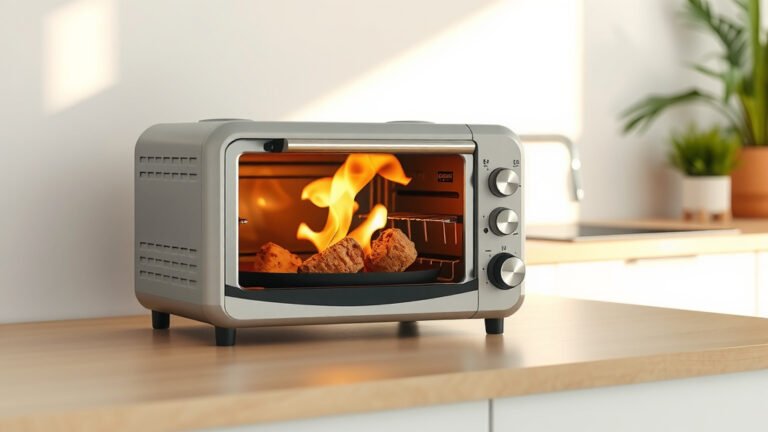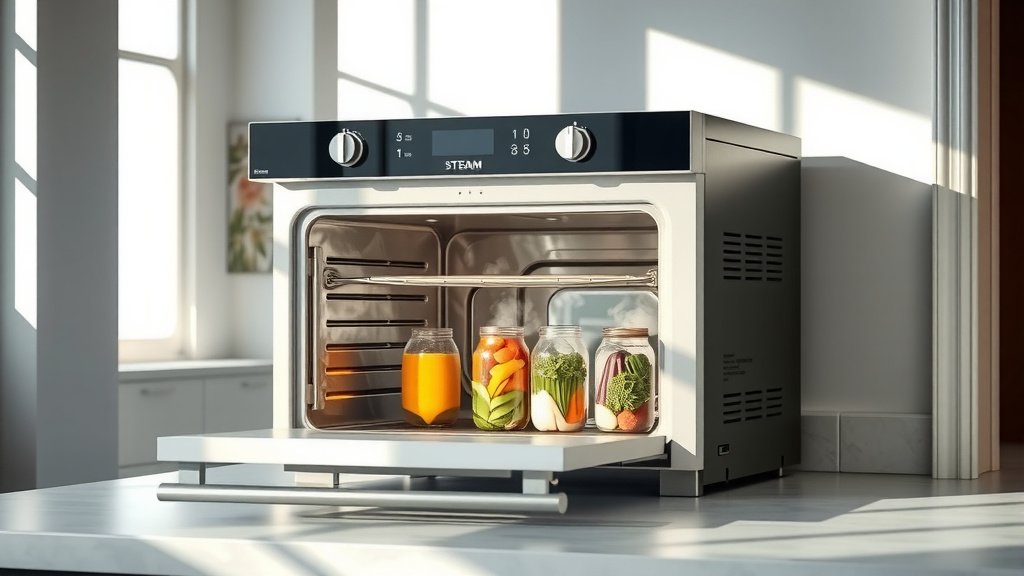
No, you generally cannot use a steam oven for canning the way you would with traditional water bath or pressure canning methods. Your steam oven lacks the consistent high temperatures and specific pressure controls necessary for safe food preservation.
While a steam oven creates a moist heat environment, it doesn’t reach or maintain the sustained, true rolling boil or the precise pressure levels required to eliminate harmful bacteria and spores, especially for low-acid foods.
- A steam oven is generally not suitable for safe home canning.
- Traditional canning methods require specific, sustained temperatures that steam ovens often cannot provide.
- Water bath canning needs a true rolling boil for specific durations.
- Pressure canning needs precise, sustained pressure levels to kill dangerous spores.
- Using a steam oven for canning could lead to foodborne illness, including botulism.
Can You Use Steam Oven For Canning?
You’re probably wondering if your modern steam oven can handle the timeless task of canning, right? For most home canning applications, the straightforward answer is no. Traditional methods remain the gold standard for your safety.
Understanding Canning Basics: Why Safety Comes First
Canning is more than just heating food; it’s a science. We found that proper canning relies on specific temperatures and times to destroy microorganisms that can cause spoilage or illness. It’s all about creating a shelf-stable, safe product for your pantry.
If temperatures are too low, or heating times are too short, harmful bacteria might survive. This can be a real concern, especially with homemade goods. You want peace of mind when you open that jar, don’t you?
Why Your Steam Oven Might Not Be Suitable
Steam ovens are fantastic for many culinary tasks, from baking perfect bread to reheating leftovers gently. However, their design differs greatly from a canner. We found that steam ovens typically operate at temperatures below a sustained, true rolling boil, which is key for water bath canning.
Moreover, they do not create the necessary internal pressure for pressure canning. This fundamental difference makes them unsuitable for reliably preserving food. You need consistent and verifiable conditions to ensure safety.
Pressure Canning Needs True Pressure
When you’re canning low-acid foods like vegetables, meats, or seafood, pressure canning is essential. These foods require temperatures higher than boiling water to destroy Clostridium botulinum spores (USDA). A pressure canner creates this environment by increasing the temperature of the steam inside a sealed pot. Your steam oven just can’t replicate that.
Without adequate pressure and heat, these spores can thrive. This is why pressure canning is non-negotiable for many foods. It’s all about protecting yourself and your loved ones.
Water Bath Canning Requires a Rolling Boil
For high-acid foods such as fruits, pickles, and jams, water bath canning is the go-to method. This involves submerging sealed jars in boiling water, which needs to maintain a vigorous, rolling boil for a specific duration (National Center for Home Food Preservation). A steam oven might generate steam, but it typically doesn’t create the consistent, full immersion, and boiling environment required.
The gentle steam inside an oven often falls short of this critical requirement. You need that direct heat transfer from boiling water to the jars to ensure proper sterilization. It’s a precise process, not just a hot bath.
The Core Difference: Steam vs. Boiling Water
Think of it this way: steaming vegetables in a basket above water is different from boiling them submerged in water. While both use heat, the direct contact and sustained temperature transfer vary. For canning, that direct, vigorous boiling is what matters for water bath methods.
For pressure canning, it’s about exceeding that boiling point through sealed pressure. A steam oven’s environment simply doesn’t match the specific and intense thermal processing needed. You need to hit a critical temperature threshold for safety.
| Canning Method | Required Temperature/Pressure | Steam Oven Compatibility |
|---|---|---|
| Water Bath Canning | 212°F (100°C) sustained rolling boil | No (cannot maintain true boil and immersion) |
| Pressure Canning | 240°F (115°C) or higher under pressure | No (lacks pressure mechanism) |
| Steam Oven Function | Often lower than 212°F, no pressure | Not suitable for canning requirements |
When Can a Steam Oven Potentially Help? (Limited Use)
While you cannot use a steam oven for the actual canning process, it might have a very limited, pre-canning role. Some people use steam ovens for tasks like sterilizing empty jars before filling them. However, even this step often isn’t strictly necessary if jars are being processed in a water bath or pressure canner for the recommended time (USDA).
Remember, sterilizing jars is not the same as canning your food safely. Always refer to approved canning recipes and guidelines. These steps are minor and do not replace proper canning.
Sterilizing Jars (With Caveats)
You can use a steam oven to heat jars to sterilize them, perhaps at 212°F (100°C) for a period. This might make the jars ready for filling. However, if your canning process involves a water bath or pressure canning that lasts 10 minutes or more, pre-sterilizing jars is generally not required. The canning process itself will sterilize them. So, while possible, it’s often an unnecessary step for true canning safety.
Always consider the overall process. Don’t add steps that give a false sense of security. You want genuine safety measures.
Safety First: Why Traditional Methods Are Best
Home canning requires precision to ensure the food is safe to eat months later. Many experts, including those at the National Center for Home Food Preservation, recommend sticking to tested recipes and traditional equipment. These methods have been researched and proven over decades. You are investing your time and ingredients, so don’t cut corners on safety.
The risks associated with improper canning are serious, from spoiled food to severe illness. It’s not worth compromising for convenience. You want your hard work to pay off safely.
Avoiding Foodborne Illness
One of the biggest concerns with improper canning is botulism. This illness is caused by toxins produced by Clostridium botulinum bacteria, which can grow in improperly canned low-acid foods. These spores are very heat-resistant and require specific conditions to be destroyed. A steam oven cannot provide the necessary environment. We found that following tested guidelines is your best defense (CDC).
It’s a silent threat because you can’t see, smell, or taste botulism. This is why strict adherence to canning guidelines is paramount. You are protecting your family’s health.
What Experts and Guidelines Say
When it comes to food preservation, listening to the experts is key. Organizations like the USDA (United States Department of Agriculture) and university extension offices provide extensively researched and tested canning guidelines. These guidelines are the foundation of safe home canning. You can trust their advice because it’s based on science.
The USDA Stance
The USDA provides comprehensive guides for home canning. Their recommendations do not include steam ovens as a viable method for canning. Instead, they specify water bath and pressure canning methods using appropriate equipment. This is a clear indicator that steam ovens are not approved for this purpose.
Always seek out and follow these official recommendations. You’re relying on proven science, not guesswork. It’s the smart way to approach preservation.
Don’t Compromise Your Home-Canned Goods
You put a lot of effort into growing or sourcing your ingredients, then preparing them for canning. Don’t let that effort go to waste by using an untested method. Investing in a proper water bath canner or pressure canner is a small price to pay for food safety and peace of mind. You deserve to enjoy your canned goods worry-free.
Think of it as choosing the right tool for the job. You wouldn’t use a screwdriver to hammer a nail, right? Canning is no different; it demands specific equipment. It’s a commitment to quality and safety.
- Proven safety records
- Reliable temperature control
- Consistent processing environment
- Elimination of harmful bacteria
- Peace of mind for you and your family
Checklist for Safe Canning Methods
- Uses a dedicated water bath canner for high-acid foods.
- Employs a pressure canner for low-acid foods.
- Maintains a vigorous, rolling boil for water bath methods.
- Achieves specific pressure and temperature for pressure canning.
- Follows USDA or National Center for Home Food Preservation guidelines.
- Uses proper jars, lids, and rings.
Conclusion
So, can you use a steam oven for canning? The definitive answer is no, not for safe, reliable home food preservation. While steam ovens are versatile kitchen appliances, they simply do not meet the stringent temperature and pressure requirements for either water bath or pressure canning. To ensure your food is safe from harmful bacteria and spores, you must stick to traditional, tested canning methods. Your well-being, and that of anyone enjoying your preserves, depends on it. Always prioritize safety when it comes to food. Happy canning with the right tools!
Frequently Asked Questions About Steam Ovens and Canning
Can a steam oven achieve the same temperature as a pressure canner?
No, a typical steam oven cannot achieve the high temperatures and pressures required for pressure canning. Pressure canning raises temperatures above boiling point (212°F or 100°C) to 240°F (115°C) or higher, which a steam oven is not designed to do.
Is it safe to sterilize canning jars in a steam oven?
You can heat jars in a steam oven to sterilize them, but for most canning methods (water bath or pressure canning lasting 10 minutes or more), this step is often unnecessary. The canning process itself will sterilize the jars effectively.
Why is a rolling boil so important for water bath canning?
A vigorous, rolling boil is crucial because it ensures consistent and sustained heat penetration throughout the jars and their contents. This consistent heat is necessary to destroy yeasts, molds, and some bacteria that can cause spoilage in high-acid foods.
What are the main risks if I use a steam oven for canning?
The primary risks include insufficient heat processing, which can lead to food spoilage, mold growth, and the survival of dangerous bacteria like Clostridium botulinum. This can cause severe foodborne illness, including botulism, a potentially fatal condition.
Where can I find reliable, tested canning recipes and guidelines?
For reliable and tested canning recipes and guidelines, you should always consult resources from the United States Department of Agriculture (USDA) and the National Center for Home Food Preservation (NCHFP). These sources provide science-based, safe methods for home canning.