
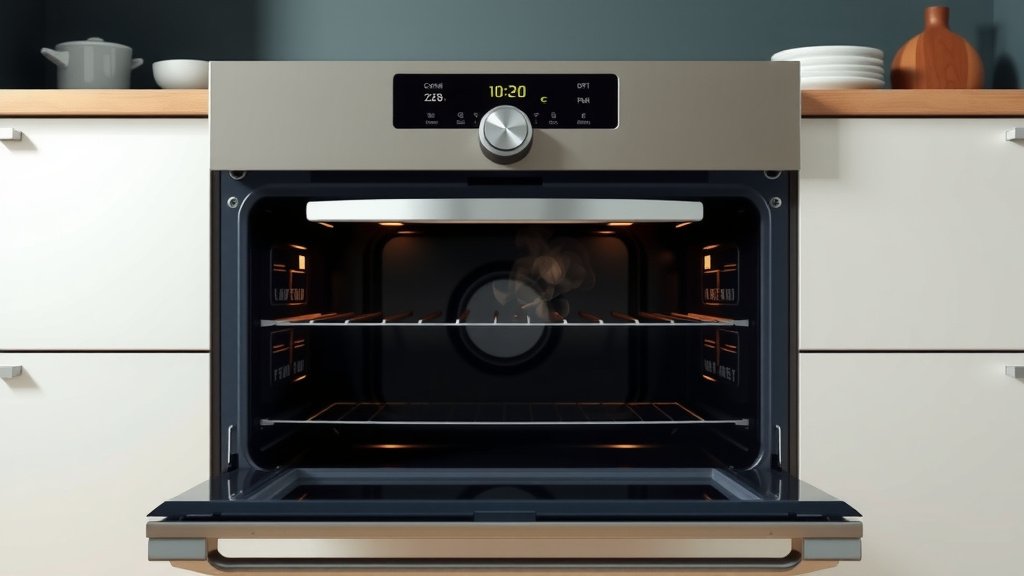
Yes, an electric oven generally benefits from proper ventilation to manage heat, steam, and cooking odors, improving your kitchen’s air quality.
While they don’t produce dangerous combustion gases like carbon monoxide, venting helps remove moisture and airborne grease particles.
- An electric oven needs ventilation to remove steam, cooking odors, and excess heat from your kitchen.
- Good ventilation prevents moisture buildup, which can damage cabinets and surfaces over time.
- A range hood or exhaust fan above your stove is the most effective ventilation solution.
- Even without a range hood, opening a window or using a ceiling fan can provide some air circulation.
- Proper ventilation makes your cooking experience much more comfortable and helps keep your home cleaner.
Does Electric Oven Need Ventilation?
Yes, an electric oven does need ventilation. It might not produce carbon monoxide like a gas oven, but it creates plenty of steam, heat, and cooking smells you’ll want to remove.
Why Your Oven Needs Some Air Flow
Think about what happens when you cook. Your oven gets hot, right? It also generates steam, especially when you are baking or roasting dishes. All this heat and moisture needs a place to go.
Without good air movement, your kitchen can feel stuffy and humid. It also traps those lingering cooking odors, which isn’t ideal when you want your home to smell fresh.
What Happens Without Proper Ventilation?
If you don’t vent well, you might notice steam collecting on your cabinets and windows. This moisture can eventually lead to mold or mildew issues, which no one wants in their kitchen (Mayo Clinic).
Lingering smells from last night’s fish dinner are another common problem. A poorly ventilated kitchen holds onto these odors, making your home feel less inviting.
Understanding Different Oven Types and Their Needs
Every kitchen is unique, and so are oven setups. Whether you have a sleek built-in model or a classic freestanding stove, its placement affects how air moves around it.
Knowing your oven type helps you choose the best ventilation system for your home. It’s all about finding what works best for your space.
Freestanding Electric Ovens
Most freestanding electric ovens are common in many homes. They stand alone and often have a stovetop on top. Their placement can make venting a bit simpler sometimes.
Often, a range hood directly above a freestanding unit works perfectly. It captures fumes and steam right where they start.
Built-In Electric Ovens
Built-in ovens are usually installed into cabinets or walls, creating a seamless look. These ovens often pair with a separate cooktop. Their enclosed nature means good ventilation is even more key.
For these, you might use a range hood over the cooktop, or sometimes, a downdraft vent integrated into the countertop. Many experts say selecting the right type depends on your kitchen design.
The Role of Range Hoods and Exhaust Fans
A range hood is your kitchen’s best friend for ventilation. It sits above your cooking area, sucking up all those unwanted particles and hot air. This keeps your kitchen air clean and comfortable.
We found that a good range hood can make a huge difference in how your home smells and feels after cooking. It’s an investment in your comfort.
Ducted vs. Ductless Systems
When choosing a range hood, you’ll generally encounter two types: ducted and ductless. Each has its own way of clearing the air in your kitchen.
Understanding the differences helps you pick the right system for your home’s layout and your cooking habits.
| Feature | Ducted Range Hoods | Ductless Range Hoods |
|---|---|---|
| Air Flow | Expels air outside | Filters and recirculates air |
| Effectiveness | More effective for odor/moisture removal | Less effective for moisture, good for odors |
| Installation | More complex, requires ductwork | Easier, no ductwork needed |
| Maintenance | Clean filters, occasional duct checks | Regular charcoal filter replacement |
| Cost | Higher initial cost, lower long-term filter cost | Lower initial cost, higher long-term filter cost |
Beyond the Hood: Other Ventilation Strategies
What if a range hood isn’t an option for you right now? Don’t worry, you still have ways to improve air quality. Every little bit of air movement helps keep your kitchen fresh.
Sometimes, simple habits can go a long way in managing steam and odors from your electric oven. Just think about air circulation.
Simple Habits for Better Air Quality
- Open a nearby window to create a cross-breeze.
- Turn on a ceiling fan to help circulate air.
- Use a portable fan pointed towards an open door.
- Keep kitchen doors open to allow air to escape.
- Wipe down condensation on surfaces promptly.
Health Concerns from Poor Oven Ventilation
While electric ovens do not pose the same carbon monoxide risk as gas ovens, poor ventilation can still affect your health. Think about breathing in grease particles or humid air for long periods.
Long-term exposure to certain cooking fumes or excessive moisture can lead to respiratory irritation (NIH). It’s always best to keep your kitchen air as clean as possible.
Carbon Monoxide and Electric Ovens
This is a common question, and here’s the straightforward answer: Electric ovens do not produce carbon monoxide. Carbon monoxide comes from incomplete combustion, which doesn’t happen with electric heat.
So, you don’t have to worry about this particular danger with an electric oven. However, that doesn’t mean ventilation isn’t needed for other reasons.
Identifying Ventilation Problems
How do you know if your current kitchen ventilation is up to par? There are some clear signs that your system might be struggling. Paying attention can save you headaches later.
You want a kitchen that feels fresh and clear after cooking. If it doesn’t, it’s time to look closer at your ventilation setup.
Checking Your Current Setup
Use this quick checklist to assess your kitchen’s air movement:
- Do strong cooking odors linger for hours?
- Does condensation form on windows or cabinets while you cook?
- Does your kitchen feel excessively hot and stuffy?
- Is there a noticeable greasy film on surfaces near the stove?
- Does your range hood seem weak or make little noise?
When to Call a Professional
Sometimes, a DIY fix isn’t enough, or you just need expert advice. If you’re planning a new kitchen or upgrading your appliances, a professional can offer fantastic guidance.
An HVAC specialist or licensed contractor can assess your kitchen’s needs and recommend the perfect ventilation solution. It’s smart to get help for bigger projects.
Conclusion
So, does an electric oven need ventilation? Absolutely! While it doesn’t create carbon monoxide, it still produces heat, steam, and cooking smells that you’ll want to remove. Proper ventilation makes your kitchen a more pleasant, healthier place to cook and gather.
Whether it’s a powerful range hood or simply opening a window, making sure your kitchen has good airflow is a step towards a happier home. Keep that air moving!
FAQs
Can I just open a window instead of using a range hood?
Opening a window can help significantly by creating airflow and allowing some steam and odors to escape. It’s a good temporary solution or supplement, especially if you don’t have a range hood. However, a dedicated range hood is generally much more effective at capturing cooking byproducts directly at the source.
Does the self-cleaning cycle on an electric oven need ventilation?
Yes, the self-cleaning cycle definitely needs ventilation! During this cycle, your oven reaches very high temperatures to burn off food residue. This process can release strong fumes and smoke, which can be irritating to breathe. Always run your range hood or open windows during a self-cleaning cycle.
How often should I clean my range hood filters for an electric oven?
We found that most experts recommend cleaning your range hood filters every one to three months, depending on how often you cook. If you cook frequently or prepare greasy meals, you might need to clean them more often. Regular cleaning helps the hood work efficiently and prolongs its life.
Do all electric ovens come with built-in ventilation?
No, electric ovens themselves typically do not come with built-in ventilation that exhausts outside. They usually have a small fan that circulates air within the oven cavity to maintain an even temperature. The kitchen ventilation system, like a range hood or exhaust fan, is a separate appliance designed to handle the air quality for the entire cooking area.
What size range hood do I need for my electric oven?
Many guidelines suggest that a range hood should be at least as wide as your cooking surface to be effective. For electric cooking, a minimum of 100 cubic feet per minute (CFM) of airflow per linear foot of range is a good starting point. If you cook often or prepare strong-smelling foods, consider a higher CFM. Professional installation guides can offer precise recommendations.
