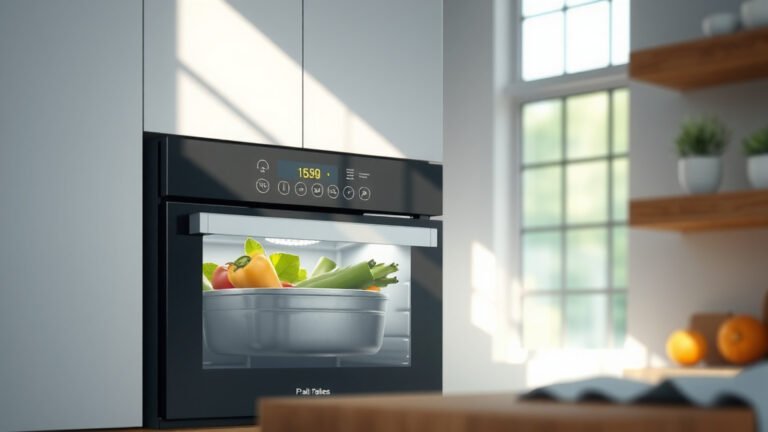
Yes, a steam oven can effectively kill bacteria in food, provided it reaches and maintains a high enough temperature for the necessary duration. This cooking method uses moist heat, which is very efficient at destroying harmful pathogens.
For your steam oven to kill bacteria, it needs to heat food to specific internal temperatures, usually around 145°F to 165°F (63°C to 74°C), depending on the food type, for a set period of time.
- Steam ovens effectively kill bacteria by heating food to safe internal temperatures.
- The key is reaching and maintaining specific temperatures, typically between 145°F and 165°F, for adequate time.
- Moist heat from steam is highly efficient at destroying harmful pathogens in food.
- Always use a food thermometer to ensure your meals are cooked safely and thoroughly.
- Steam cooking also helps retain food moisture and nutrients, enhancing both safety and quality.
Does Steam Oven Kill Bacteria In Food?
Absolutely, a steam oven is quite capable of killing bacteria in your food. When used correctly, it functions just like other cooking methods to ensure your meals are safe to eat.
How Steam Works Its Magic on Germs
Think about boiling water; it’s a powerful way to sanitize things. Steam ovens operate on a similar principle. They use hot, moist vapor to cook food.
This intense heat penetrates food quickly. The high temperature is what denatures proteins in bacteria, essentially breaking them down and rendering them harmless. It’s a very effective way to eliminate common foodborne pathogens.
The Role of Temperature and Time
Killing bacteria isn’t just about heat; it’s also about how long that heat is applied. You need a combination of both to make food safe. Imagine a quick splash of hot water versus a long, rolling boil.
For instance, chicken needs to reach 165°F (74°C) and stay there for a bit to be safe. We found that cooking food to its recommended internal temperature is always the best practice (USDA).
What Temperatures Are We Talking About?
Different foods have different safe temperature targets. We want to cook away any risk without overcooking your delicious meal.
Many experts say that temperatures above 140°F (60°C) start to become very effective at killing most bacteria. However, to be truly safe, you’ll need to hit higher internal temperatures. These temperatures are standard for all cooking methods, including steam.
Steam vs. Dry Heat: Any Difference for Germs?
Whether you use steam or dry heat from a regular oven, the goal for killing bacteria is the same: reach the right internal temperature. Both methods are effective.
Steam ovens often help food retain moisture, preventing it from drying out while cooking. This means your food can be both safe and deliciously moist. The moist heat of steam can also transfer heat very efficiently into food.
| Food Type | Safe Internal Temperature (USDA Guidelines) |
|---|---|
| Poultry (Chicken, Turkey) | 165°F (74°C) |
| Ground Meat (Beef, Pork) | 160°F (71°C) |
| Beef, Pork, Lamb, Veal (Steaks, Roasts) | 145°F (63°C) with a 3-minute rest |
| Fish & Seafood | 145°F (63°C) |
| Leftovers & Casseroles | 165°F (74°C) |
Is Your Steam Oven Really Getting Hot Enough?
It’s a fair question, right? You want to trust your appliance. Most modern steam ovens are designed to reach and maintain the necessary cooking temperatures effectively.
However, just like any appliance, sometimes things can vary. A little check-up can give you great peace of mind.
Checking Your Oven’s Performance
The best way to know for sure is to test it. We recommend using an oven thermometer placed inside the cavity. This helps verify that the oven’s display temperature matches the actual temperature.
Also, an oven that isn’t clean might not heat as efficiently. Grime can sometimes impact performance and heat distribution.
Common Misconceptions About Steam Cooking
Some people think steam cooking is only for reheating or gentle cooking. That’s not true! Steam ovens are powerful tools for cooking raw foods thoroughly.
They are fantastic for roasting, baking, and even full-meal preparations. You’re not just warming food; you’re cooking it completely, making it safe and delicious.
Beyond Killing Bacteria: Other Benefits of Steam Ovens
While food safety is paramount, steam ovens bring more to the table. They can actually make your food taste better and keep it healthier.
It’s like getting a two-for-one deal: safety and superior cooking quality.
Better Texture and Nutrients
Imagine vegetables that are vibrant, crisp-tender, and full of flavor. That’s a hallmark of steam cooking. We found that steam helps lock in moisture and water-soluble vitamins that might otherwise leach out in boiling water.
Research often connects steam cooking with better nutrient retention compared to other methods (NIH). This means your food isn’t just safe; it’s also more nutritious.
What About Food Spoilage?
Cooking food in a steam oven kills bacteria that cause illness, but it doesn’t stop future spoilage. Once cooked, food still needs to be stored properly to keep it fresh.
Think of it this way: your steam oven makes the food safe to eat now, but it won’t preserve it indefinitely in the fridge. Proper cooling and storage are still essential.
Practical Tips for Safe Steam Oven Use
You’ve got a great tool in your kitchen, so let’s make sure you use it to its full potential for safety. A few simple habits can make a huge difference.
Always Use a Food Thermometer
This is your best friend in the kitchen. An instant-read food thermometer takes the guesswork out of cooking. You can’t tell if food is safe just by looking at it. Color is not a reliable indicator.
Just insert the thermometer into the thickest part of the food, avoiding bones. This simple step ensures every meal is cooked to perfection and is free from harmful bacteria.
Proper Food Handling is Still Key
Cooking is just one part of food safety. What happens before and after cooking is just as important. Here’s a quick checklist:
- Wash your hands thoroughly before and after handling food.
- Keep raw meats separate from ready-to-eat foods to prevent cross-contamination.
- Defrost frozen food safely in the refrigerator, not on the counter.
- Promptly refrigerate leftovers within two hours of cooking.
- Clean and sanitize your countertops and utensils regularly.
Cleaning Your Steam Oven
A clean oven is a happy oven, and a safe oven! Food residue can sometimes harbor bacteria. Regular cleaning prevents any build-up.
Follow your manufacturer’s guidelines for cleaning. Many steam ovens have a self-cleaning function or a descaling program, which helps maintain hygiene and efficiency.
Conclusion
Yes, your steam oven is a powerful ally in the fight against foodborne bacteria. When you use it correctly, ensuring foods reach their safe internal temperatures, you’re cooking delicious, safe meals for yourself and your loved ones. Remember, steam is an effective heat source, but it still relies on your attention to temperature and time. Pair your steam oven’s capabilities with smart food handling and a reliable food thermometer, and you’ll always cook with confidence. Enjoy the benefits of moist, flavorful, and incredibly safe food!
Does steam sterilize food?
While steam cooking effectively kills most harmful bacteria and pathogens, it’s not the same as sterilization, which aims to destroy all microorganisms, including spores. Steam ovens make food safe to eat by reaching specific cooking temperatures, but they don’t render food sterile for indefinite shelf life.
Can I reheat food safely in a steam oven?
Absolutely! A steam oven is an excellent way to reheat leftovers safely and deliciously. The moist heat helps prevent food from drying out. Just make sure to reheat all food to an internal temperature of 165°F (74°C) to kill any bacteria that might have grown during storage.
Is steam cooking healthier than other methods?
Many experts consider steam cooking a healthier option. We found that it helps retain more vitamins, minerals, and natural flavors compared to boiling or frying. The gentle, moist heat preserves nutrients better and often means you need less added oil or fats, contributing to a lighter, more nutritious meal.
How do I know if my food is fully cooked in a steam oven?
The only reliable way to know if your food is fully cooked and safe is to use an instant-read food thermometer. Insert it into the thickest part of the food, avoiding bones, to ensure it has reached the recommended safe internal temperature for that specific item.
Can undercooked food from a steam oven make you sick?
Yes, just like with any cooking method, if food cooked in a steam oven does not reach its safe internal temperature, it can still harbor harmful bacteria and potentially cause foodborne illness. Always ensure proper cooking temperatures and times to keep your meals safe.