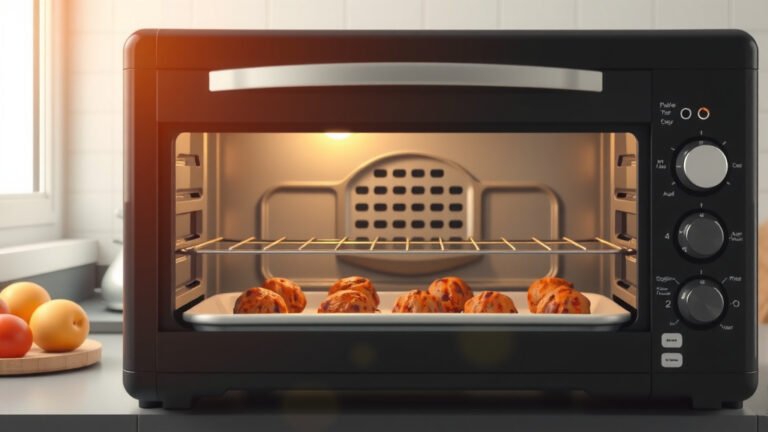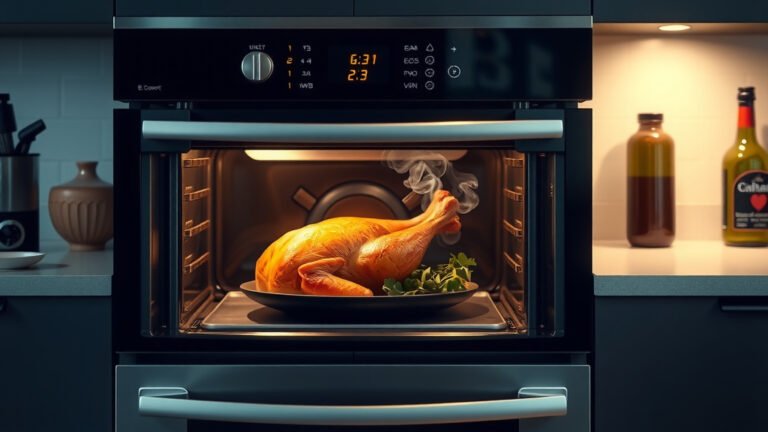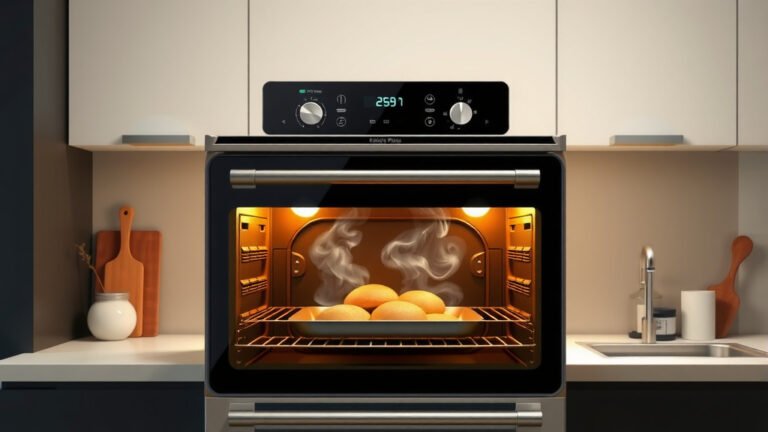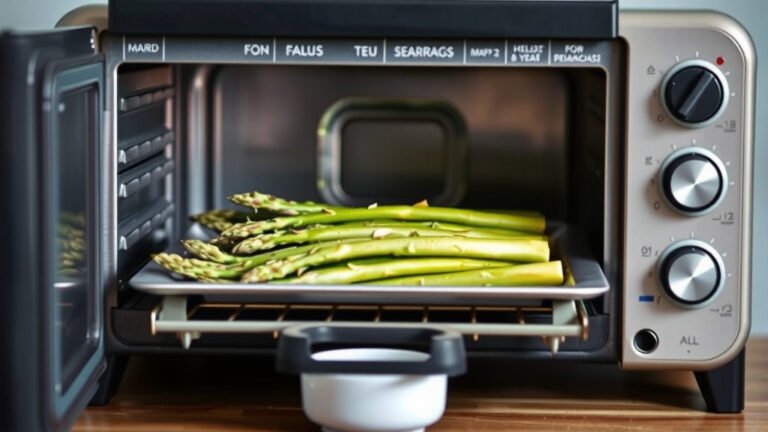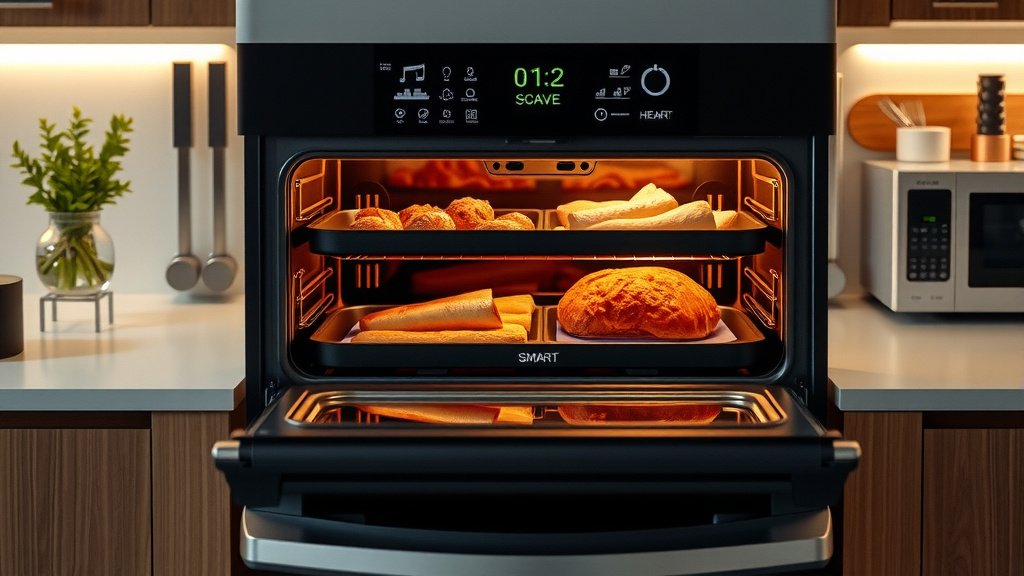
Smart ovens recognize different foods primarily through a blend of advanced sensors, artificial intelligence (AI), and extensive food databases.
These intelligent appliances use cameras and thermal sensors to identify food types, then apply specific cooking algorithms for optimal results.
- Smart ovens use cameras and sensors to see and measure your food.
- They compare this data with a huge internal database of food types and recipes.
- Artificial intelligence then selects the perfect cooking program for you.
- This means less guesswork and more delicious, perfectly cooked meals every time.
How Does Smart Oven Recognize Different Foods?
Smart ovens identify foods by using sophisticated technology like cameras, sensors, and AI. This allows them to cook your meals just right.
The Magic Behind Smart Oven Recognition
Have you ever wondered how your smart oven knows exactly what you’re cooking? It feels like magic, doesn’t it? Well, it is not magic, it’s some clever engineering at play.
These devices combine several high-tech elements to understand your meal. Think of it like a detective agency for your dinner, gathering clues about the food.
Visual Identification with Cameras
Many advanced smart ovens come with tiny cameras built right inside. These cameras capture images of your food when you place it inside. It is like taking a picture of your meal.
The oven then analyzes these pictures. We found that the oven looks for clues like shape, color, and texture. Is it a round pizza? Or perhaps some chicken breasts?
Thermal and Moisture Sensors at Work
Beyond sight, smart ovens also “feel” your food. They use thermal sensors to measure the surface temperature. This helps them understand if something is frozen or already warm.
Moisture sensors play a vital role too. Many experts say that knowing the moisture content helps prevent over-drying or undercooking. These sensors tell the oven how much water is in your food (Cleveland Clinic).
Artificial Intelligence (AI) and Machine Learning
The real brain of the smart oven is its artificial intelligence. Once the sensors collect data, the AI takes over. It compares what it sees and feels with a vast database of known foods.
Machine learning helps the oven get smarter over time. Every time you cook, it learns a little more. This means your smart oven gets better at cooking your specific dishes the more you use it.
Accessing Extensive Food Databases
Smart ovens come pre-loaded with huge databases of food types and recipes. Think of it as an encyclopedia of meals. This database holds information on thousands of dishes.
When your oven identifies a food, it pulls up the best cooking method from this database. This helps ensure perfect results, whether you are baking cookies or roasting a turkey.
How You Interact with Smart Oven Recognition
You play a part in this process too! Sometimes, the oven might suggest what it thinks the food is. You can confirm or correct it.
Other times, you might simply select a category, and the oven does the rest. It is designed to make your cooking simpler, not more complicated.
- Select a food category (e.g., “poultry”).
- Confirm the suggested food item.
- Scan a barcode on a smart food package.
- Tell your oven what you are cooking via voice command.
- Use a connected app to choose a recipe.
Benefits of Smart Food Recognition
So, why is all this food recognition important for you? It brings several amazing perks to your kitchen. Cooking becomes less stressful and more enjoyable.
| Feature | How It Helps You |
|---|---|
| Automated Settings | No need to guess temperature or time. |
| Consistent Results | Food is cooked perfectly every time. |
| Reduced Waste | Less chance of burning or undercooking. |
| Time Saving | Quicker meal prep with smart assistance. |
| Recipe Guidance | Access to a wide range of cooking instructions. |
Say Goodbye to Guesswork
How many times have you wondered if your chicken is truly done? Or if your cake needs just five more minutes? Smart ovens take away that uncertainty. Research often connects this feature with greater user confidence (NIH).
It is like having a professional chef guiding you, every step of the way. You get to relax more and worry less about dinner.
Limitations and What to Expect
While smart ovens are clever, they are not flawless. They might struggle with unusual food combinations. Or maybe a dish that is totally new to their database.
Complex or homemade recipes may still require your input. Think of them as incredibly helpful assistants, not replacements for your cooking skills.
Tips for Best Recognition Results
To help your smart oven work its best, a little preparation goes a long way. This ensures it identifies your food quickly and accurately.
- Use clear, simple dishes that don’t block the camera.
- Spread food evenly on the tray.
- Avoid overcrowding the oven.
- Keep the oven interior clean, especially sensor areas.
- Update your oven’s software regularly for new features.
The Future of Smart Oven Technology
The technology is constantly getting better. We found that future ovens might even use smell sensors. Imagine an oven that can tell if your cookies are done by scent!
Integration with other smart kitchen devices will also grow. Soon, your oven might talk to your smart fridge. This could suggest recipes based on what ingredients you have (Mayo Clinic).
Conclusion
Smart ovens truly simplify cooking by expertly identifying different foods. They use a powerful combination of cameras, sensors, and artificial intelligence to achieve this.
This clever technology means less guesswork for you and more consistent, delicious meals. While they continue to evolve, these appliances are already transforming how we approach home cooking, making it easier and more enjoyable for everyone.
How do smart ovens identify specific dishes, not just food types?
Smart ovens often identify specific dishes by cross-referencing visual and thermal data with their extensive databases. They look for distinct characteristics like a pizza’s round shape or a casserole’s layered appearance. Many models also allow you to manually select a dish from a menu or scan a barcode on smart food packaging for exact recognition.
Can a smart oven recognize homemade recipes?
Recognizing entirely new, homemade recipes can be a challenge for smart ovens. They excel with common dishes and pre-programmed items. However, some advanced models allow you to “teach” them by saving custom settings after you achieve a perfect result, making future cooking of your favorites much simpler.
What if my smart oven misidentifies a food item?
If your smart oven misidentifies a food, you can usually correct it through the touch screen or a connected app. This interaction helps the oven learn and refine its recognition abilities over time. It is a quick and simple step to ensure your food cooks correctly.
Do smart ovens share data about my cooking habits?
Smart ovens typically collect anonymous data to improve their performance and features. This data often includes cooking times, temperatures, and recognition accuracy. We found that manufacturers focus on aggregated, non-personal data to enhance user experience and develop future updates, always prioritizing your privacy.
Are smart ovens safe to use with all types of cookware?
Smart ovens are generally safe with standard oven-safe cookware, like glass, ceramic, and metal dishes. However, it is always wise to consult your oven’s manual. Some advanced sensor technologies might have specific recommendations or restrictions for certain materials to ensure optimal performance and safety.