
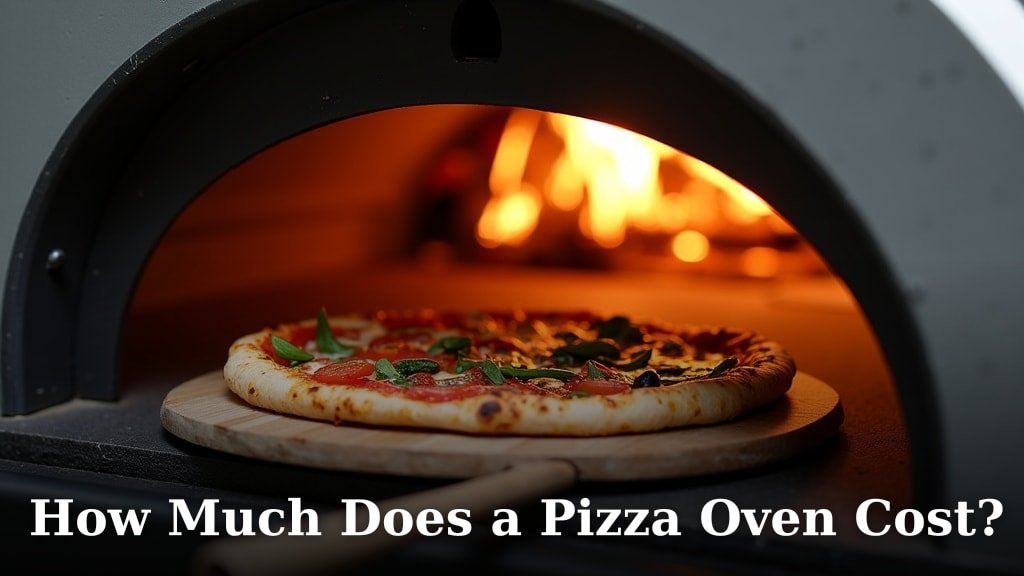
A pizza oven costs anywhere from around $100 to over $10,000. The final price depends on the oven type and features you choose. Most home pizza enthusiasts find a great oven for under $1,000.
You’re probably wondering what makes one oven cost so much more than another. Many factors affect the price, including size, fuel type, and build quality. We’ll explore these differences to help you decide.
- Entry-level pizza ovens can be very affordable.
- High-end models offer professional features at a higher cost.
- Fuel source (gas, wood, electric) impacts the price.
- Portable ovens are generally less expensive than built-in units.
- Accessories can add to the overall investment.
Ready to discover the perfect pizza oven for your backyard and budget? Let’s break down all the options and help you find exactly what you need.
Understanding Pizza Oven Price Ranges
Pizza ovens come in a wide range of prices, from around $100 for basic models to well over $10,000 for professional, built-in units. The cost largely depends on the oven’s type, fuel source, size, and features.
Are you dreaming of perfect homemade pizza? You have many choices. Let’s see how different factors change the price tag, helping you find the best value for your money.
Entry-Level Pizza Ovens: Affordable Options
If you’re just starting, you can find a great pizza oven without spending a fortune. Many portable and countertop models offer a fantastic entry point into pizza making.
These simpler ovens are often compact and easy to use. They are perfect for casual backyard cooking or small gatherings.
Portable & Countertop Models ($100 – $500)
You’ll find many ovens in this bracket are small, electric, or gas-powered. They heat up quickly and are great for beginners. They might not reach the extreme temperatures of more expensive ovens, but they still produce delicious results.
- Electric Indoor Ovens: These are often the most affordable, starting around $100. They plug into a standard outlet and are perfect for apartment living.
- Small Gas Ovens: Ranging from $200-$500, these use propane and are popular for outdoor use. They reach higher temperatures than electric models.
- Charcoal/Wood Pellet Ovens: You can find small, portable versions in this range, usually from $250-$500. They offer a smoky flavor but require more attention.
Think about how often you’ll use it and where. A portable option gives you flexibility.
Mid-Range Pizza Ovens: Balancing Cost and Performance
Moving up a bit, you’ll discover ovens that offer more power, better materials, and often a larger cooking surface. These are popular with home chefs who make pizza regularly.
You get a noticeable upgrade in performance and durability here. The materials are often thicker, retaining heat better and cooking more evenly.
Higher-End Portable and Standalone Models ($500 – $1,500)
In this category, you’ll see more robust gas and wood-fired options. Many come with integrated stands or larger cooking chambers, allowing you to cook bigger pizzas.
- Advanced Gas Ovens: Expect prices from $600-$1,200. These often have multiple burners for even heat and better temperature control. Some research shows that larger gas ovens can maintain heat more consistently (Food Network).
- Dedicated Wood-Fired Ovens: These typically start around $700 and can go up to $1,500 for more compact outdoor models. They deliver that classic smoky flavor and traditional pizza crust.
- Hybrid Ovens: Some ovens offer the best of both worlds, using gas for convenience and wood for flavor. These usually fall in the higher end of this range, around $1,000-$1,500.
These ovens offer a good balance for someone who wants more than a basic model but isn’t ready for a professional setup. They’re a solid long-term investment.
High-End & Professional-Grade Pizza Ovens: Serious Investment
For the ultimate pizza experience, or if you’re planning to make a lot of pizza, high-end ovens are your choice. These are robust, often larger, and built to last for many years.
The materials are premium, and the heat retention is exceptional. This means faster cooking times and perfectly leopard-spotted crusts.
Built-In and Commercial-Style Ovens ($1,500 – $10,000+)
These are serious pieces of equipment. They are often ceramic or brick-lined, requiring permanent installation. You’re paying for superior craftsmanship and commercial-grade performance.
- Permanent Wood-Fired Ovens: True masonry or prefabricated dome ovens can cost between $2,000 and $8,000. Installation costs can add another $1,000-$3,000 or more (Wood Stone Corp.).
- High-Performance Gas Ovens: Larger, more powerful gas ovens designed for heavy use can range from $1,500 up to $5,000.
- Commercial-Grade Electric Ovens: While less common for home use, specialized electric ovens for professional kitchens can also reach into the thousands, often $2,000-$7,000.
Do you need this type of oven? It depends on your dedication. If you want the best possible pizza and plan to make it a regular event, this investment pays off.
Key Factors Influencing Pizza Oven Cost
So, why such a big difference in price? It’s not just the brand name. Several core elements truly drive the cost up or down.
Understanding these factors helps you make an informed decision. Don’t just look at the upfront price tag.
Fuel Type
The type of fuel an oven uses is a major cost driver. Each has its own benefits and associated prices.
- Electric: Generally the most affordable. Easy to use, but might not reach super high temperatures.
- Gas (Propane/Natural Gas): Mid-range cost. Offers convenience and good heat. Natural gas models might have a higher upfront cost for installation.
- Wood-Fired: Often the most expensive due to construction and materials needed to withstand high heat. They require specific insulation and chimney systems. Many pizza pros say wood brings the best flavor (National Association of Pizza Operators).
Consider the ongoing cost of fuel too. Propane tanks need refilling. Wood needs to be bought or chopped.
Size and Materials
Larger ovens require more materials, which naturally increases the price. The quality and type of materials also play a huge role.
- Insulation: Better insulation means the oven holds heat longer and uses less fuel. This often means thicker materials like ceramic fiber.
- Dome/Chamber Material: Stainless steel is common for portable ovens. For traditional ovens, refractory brick or concrete is used, which is heavy and costly.
- Stand/Base: Many models come with a sturdy stand, adding to the overall cost. Built-in units require a custom base construction.
A heavier oven often means better heat retention and thus better cooking performance. Lighter, thinner materials lose heat more quickly.
Portability vs. Permanent Installation
Do you want to move your oven around, or do you have a dedicated spot for it?
- Portable: Smaller, lighter, and generally less expensive. Easy to store or take to a friend’s house.
- Fixed/Built-in: These are often larger, heavier, and offer superior cooking capabilities. The installation cost can be significant. They become a permanent fixture in your outdoor kitchen.
A permanent oven adds value to your home. But a portable one gives you more flexibility and a lower initial cost.
Additional Costs to Consider
The oven itself isn’t always the only expense. Think about what else you’ll need to get started and keep going.
These hidden costs can add up, so it’s good to factor them in from the start.
Accessories and Supplies
You’ll need more than just the oven to make great pizza. Consider these common additions:
- Pizza Peel: Essential for getting pizzas in and out of the oven. A good metal or wooden peel might cost $20-$50.
- Infrared Thermometer: Crucial for checking the cooking surface temperature. Expect to pay $30-$80.
- Oven Brush: To clean out ash from wood-fired ovens or burnt bits from any oven ($15-$40).
- Dough Prep Tools: A good cutting wheel, dough cutters, and a workstation can be helpful ($50-$100 total).
- Cover: To protect your outdoor oven from the elements ($30-$150, depending on size).
Don’t forget the actual ingredients! Quality flour, cheese, and tomatoes make a big difference.
Installation and Setup
For larger, built-in ovens, installation can be a significant cost. This might include:
- Site Preparation: Building a concrete pad or a strong base.
- Assembly: Some ovens come in kits and require assembly.
- Natural Gas Line: If you choose a natural gas oven, you might need a plumber to connect it.
- Chimney Work: For wood-fired ovens, ensuring proper ventilation is key for safety (National Fire Protection Association).
These costs can add hundreds, sometimes thousands, to the total. Always get a clear quote for installation.
Making Your Choice: A Quick Checklist
Before you buy, run through these questions. They’ll help you narrow down your options and find the perfect oven.
Thinking about these points early can save you from buyer’s remorse.
- What is your absolute maximum budget?
- How often do you plan to make pizza?
- Do you prefer the convenience of gas/electric or the flavor of wood?
- How much space do you have available?
- Do you need portability, or do you want a permanent fixture?
- Are you comfortable with ongoing maintenance, like cleaning a wood-fired oven?
Once you answer these, you’ll have a much clearer picture of what oven type best fits your needs and lifestyle.
Conclusion
Choosing a pizza oven is exciting, and now you know the wide range of costs and factors involved. From simple electric countertop models to elaborate wood-fired built-in units, there’s an option for every budget and skill level.
Consider your cooking frequency, desired features, and available space carefully. Don’t forget those essential accessories and potential installation costs. By weighing these elements, you’re ready to pick the perfect oven.
Now, go ahead and select the pizza oven that best fits your needs and start enjoying delicious homemade pies!
Frequently Asked Questions
Is a more expensive pizza oven always better?
Not necessarily. While higher-priced ovens often use better materials and offer more features, the “best” oven depends on your personal needs. A less expensive, portable oven might be perfect for casual use, while a high-end unit suits serious enthusiasts.
Can I get a good pizza oven for under $500?
Absolutely! Many excellent entry-level pizza ovens fall within the $100-$500 range. These often include portable gas, electric, or small pellet-fired models perfect for beginners and backyard gatherings.
What’s the main difference between gas and wood-fired oven costs?
Wood-fired ovens are typically more expensive upfront due to the robust materials and insulation needed to manage high heat and smoke. Gas ovens are generally more affordable, offering convenience and consistent heat with lower initial setup costs.
Do I need special professional installation for a home pizza oven?
Only for larger, permanent, or built-in models. Small portable electric, gas, or pellet ovens usually require minimal setup. However, a major custom wood-fired oven might need professional construction and connections, adding significantly to the total cost.
What important accessories should I budget for?
Key accessories include a good pizza peel (metal or wood), an infrared thermometer to check oven floor temperature, and an oven brush for cleaning. If your oven is outdoors, you’ll also want a protective cover.
