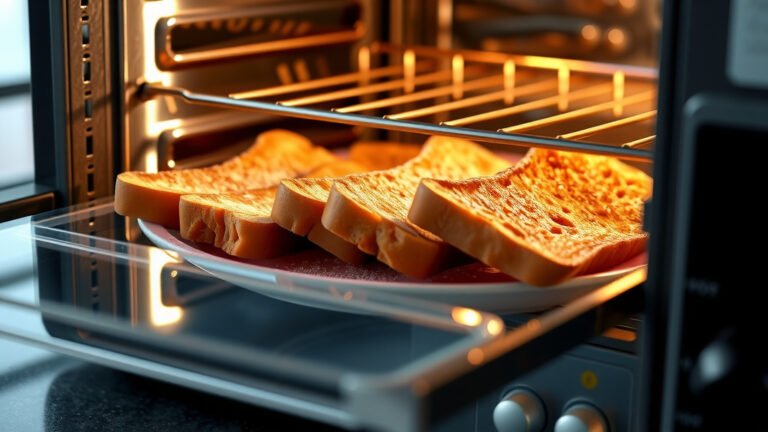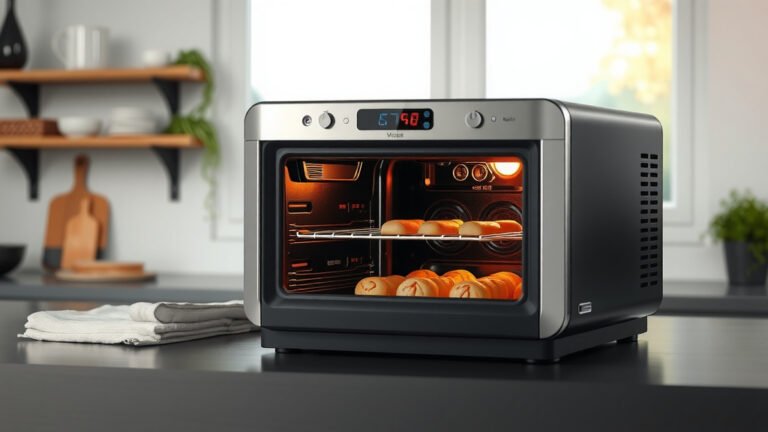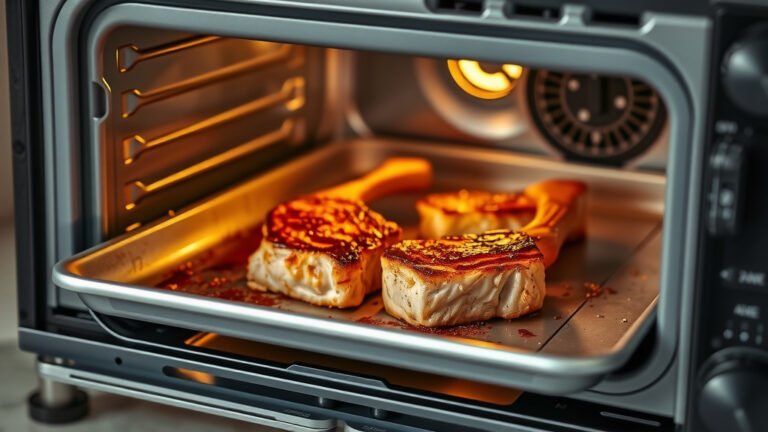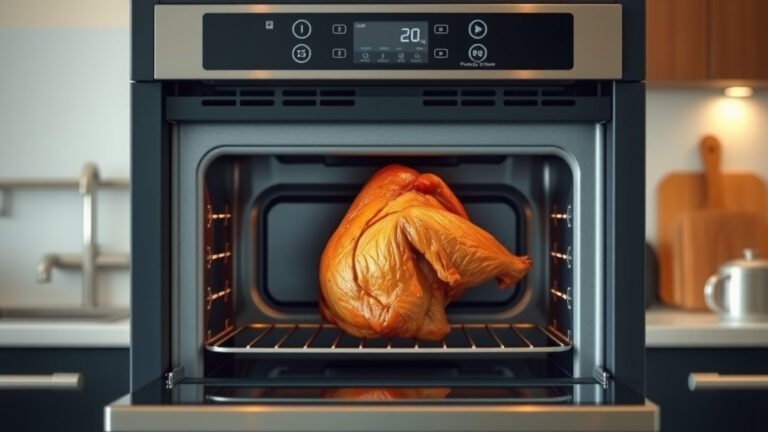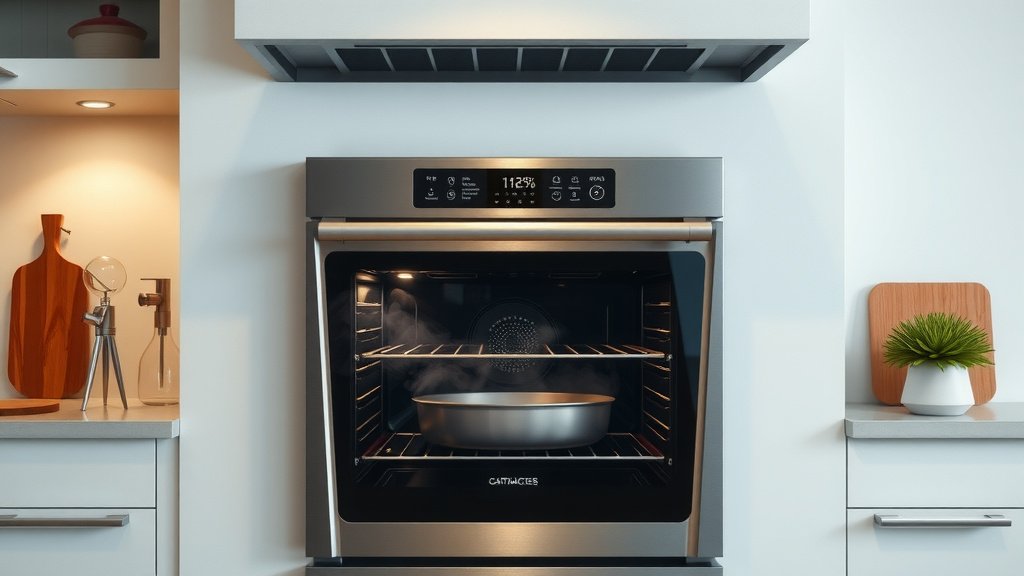
A steam oven typically uses between 0.5 to 1.5 liters of water for a standard hour-long cooking cycle, depending on the model and the specific cooking program.
For most recipes, a full water tank is often enough for multiple cooking sessions, as steam ovens efficiently convert water into vapor for delicious results.
- Steam ovens generally consume 0.5 to 1.5 liters of water per hour of use.
- Water usage varies based on cooking time, temperature, and food type.
- You can easily monitor your oven’s water level and refill as needed.
- Proper maintenance and efficient cooking practices help optimize water consumption.
- Many modern steam ovens are designed to be quite water-efficient.
How Much Water Does A Steam Oven Use?
When you’re thinking about a steam oven, one big question often pops up: how much water does it actually use? It’s a fair point. You want to cook amazing food, but you also don’t want to be constantly refilling a tank. We found that most steam ovens use a surprisingly small amount of water.
Typically, for a standard cooking session lasting around an hour, your steam oven might consume anywhere from half a liter to about 1.5 liters of water. This range depends on a few important factors, which we will explore together.
Understanding Your Steam Oven’s Water System
To really understand water usage, it helps to know how these ovens work. Steam ovens generate steam by heating water, rather than relying on dry heat alone. This process adds moisture to your food, keeping it tender and flavorful. But where does the water come from?
Internal Water Reservoir
Most freestanding or built-in steam ovens have an internal water reservoir. Think of it like a coffee machine’s water tank, but for cooking. You simply pull it out, fill it with water, and slide it back in. These reservoirs vary in size, from about 1 liter to 2 liters capacity.
A typical 1-liter reservoir might give you 45 to 90 minutes of continuous steam, depending on the intensity. It is designed to be user-friendly for easy refills.
Plumbed-in Systems
Some high-end or professional steam ovens are directly plumbed into your home’s water line. This means they have a continuous water supply, so you never have to refill a tank. It is super convenient but requires professional installation. These are more common in commercial settings or very high-use home kitchens.
Key Factors Influencing Water Consumption
You might wonder why there’s a range in water usage. It is not just about the oven model; your cooking habits play a big role too. Let’s break down what truly affects how much water your steam oven needs for each use.
Cooking Time Matters
This one is pretty straightforward. The longer you cook with steam, the more water your oven will use. A quick 15-minute veggie refresh will use significantly less water than a slow-cooked salmon dish that steams for an hour.
Temperature Settings Play a Role
Higher temperatures often mean more rapid steam generation. If you set your oven to a very high steam temperature, it will convert water to steam more quickly, thus using more water over the same period.
Conversely, a lower temperature setting for delicate dishes will consume water at a slower pace. It is all about the energy needed to boil the water.
Food Type and Density
Different foods require different levels of steam. For instance, steaming dense root vegetables might need a more sustained steam output compared to something lighter like fish or tender greens. Your oven adjusts its steam production, which impacts overall water usage.
Oven Door Seals and Efficiency
A well-maintained steam oven with good door seals will be more efficient. If your oven door isn’t sealing properly, steam can escape, and the oven might work harder to maintain the desired humidity, leading to increased water consumption. It is like a leaky bucket, but for steam!
Average Water Usage: What to Expect
So, what does this look like in practical terms? We’ve put together a quick guide based on general oven performance. Keep in mind these are estimates, and your specific model might vary.
| Cooking Activity | Typical Water Usage (Liters) | Estimated Time |
|---|---|---|
| Steaming Vegetables (e.g., broccoli) | 0.3 – 0.6 | 10 – 20 minutes |
| Reheating Meals | 0.4 – 0.7 | 15 – 25 minutes |
| Baking Bread with Steam | 0.6 – 1.0 | 30 – 45 minutes |
| Cooking Fish or Poultry | 0.7 – 1.2 | 20 – 40 minutes |
| Slow Cooking (e.g., tough cuts) | 1.0 – 1.5+ | 1 – 2+ hours |
As you can see, shorter, less intensive tasks naturally use less water. Longer, more involved cooking sessions will need more. But even for a two-hour slow cook, you’re usually looking at a single tank refill, maybe two at most for a smaller reservoir.
Tips for Efficient Water Usage in Your Steam Oven
You want to get the most out of your steam oven without wasting water, right? Here are some simple, practical tips that we found to help you use water more efficiently and get the best cooking results.
Preheat Smartly
Does your recipe truly need a fully preheated steam oven? Sometimes, you can place food in a cold oven and let it heat up with the food, saving a little water. For items like bread, preheating is often essential.
Batch Cooking Benefits
If you’re steaming multiple items, consider cooking them together if possible. Instead of steaming individual servings one after another, which uses water for each cycle, batch cooking saves water and time.
- Choose the right program for your food.
- Do not open the door frequently during cooking.
- Clean your oven regularly for best performance.
- Check and replace door seals if they look worn.
- Use distilled or filtered water if your local water is hard.
Keep Your Oven Clean
A clean oven works better. Limescale and food residue can affect how efficiently your oven generates and uses steam. Regular cleaning and descaling will ensure your oven runs smoothly and doesn’t waste water.
Proper Door Sealing
This is a big one. Make sure your oven door closes completely and the seal is intact. A gap, even a tiny one, can let precious steam escape, causing the oven to compensate by using more water. Check your seals periodically for wear and tear.
Common Water-Related Concerns
It’s normal to have questions, especially when you’re using a new appliance. Let’s tackle a couple of common concerns about water in your steam oven.
Frequent Refills
If you find yourself refilling the water tank very often, it could be due to a few reasons. Perhaps you’re cooking for long durations, or maybe your oven has a smaller reservoir. It could also point to a slight inefficiency, like a door not sealing perfectly.
Sometimes, simply becoming more mindful of cooking times and batching tasks can reduce refill frequency. It is all about finding your rhythm with the appliance.
Water Quality and Limescale
Hard water, which has a high mineral content, can lead to limescale buildup inside your steam oven’s components. This can affect performance and water usage over time. Many experts say using filtered or distilled water can prevent this issue (NIH).
Most steam ovens have a descaling program that you should run regularly. This maintenance step is vital for longevity and efficient steam production.
Conclusion
In the grand scheme of kitchen appliances, steam ovens are quite water-wise. While they do need water to create that wonderful moist heat, their consumption is generally modest, especially compared to the benefits they offer in terms of healthier, tastier cooking. Understanding the factors that influence water usage and adopting some smart cooking habits can help you optimize how much water your steam oven uses. Enjoy the moist, delicious results with peace of mind!
How often do I need to refill the water tank on a steam oven?
For most home steam ovens with a 1 to 1.5-liter tank, you will likely need to refill it every 1 to 3 cooking sessions, depending on the length and intensity of your cooking. Long or continuous steaming tasks may require a refill during the cooking process.
Can I use tap water in my steam oven?
Most manufacturers state that tap water is acceptable, but it is often recommended to use filtered or distilled water, especially if you live in an area with hard water. Hard water can cause limescale buildup, requiring more frequent descaling and potentially shortening the oven’s lifespan.
Does the size of the steam oven affect water usage?
Generally, larger steam ovens might have slightly larger reservoirs or need more water to fill a bigger cavity with steam. However, the biggest factors remain cooking time, temperature, and door seal efficiency, not just the physical size of the oven itself.
Is a plumbed-in steam oven more water-efficient than one with a reservoir?
A plumbed-in oven isn’t necessarily more water-efficient in terms of how much water is *used* for cooking. Its main advantage is convenience, as you do not need to manually refill it. Both types convert a similar amount of water to steam for the same cooking task.
What are the signs that my steam oven is using too much water?
If you are refilling the tank much more frequently than usual for your typical cooking routine, it might be a sign. Also, if you notice excessive steam escaping from the door or the oven seems to run longer than expected to reach temperature, it could indicate an issue with the door seal or the steam generation system.