You should clean your steam oven after every 3-5 uses for light maintenance, and perform a deep clean every 2-4 weeks to prevent mineral buildup and odors.
Descaling your steam oven is vital, typically needed every 3-6 months depending on your water hardness and how often you use it.
- Regular light cleaning after a few uses prevents food residue from hardening.
- Deep cleaning bi-weekly or monthly tackles tougher stains and ensures hygiene.
- Descaling every few months is crucial to remove mineral deposits and keep your oven efficient.
- The frequency of cleaning depends on how often you cook and your local water quality.
- Ignoring cleaning can lead to poor performance, strange smells, and costly repairs down the road.
How Often To Clean A Steam Oven?
The ideal frequency for cleaning your steam oven involves a mix of light cleaning after each few uses, regular deep cleaning, and periodic descaling.
Maintaining a clean steam oven keeps it running efficiently and prevents buildup that can spoil your food’s taste.
Why Your Steam Oven Needs Special Attention
Steam ovens are wonderful appliances, offering amazing cooking results. But unlike traditional ovens, they use water, and that brings a unique set of cleaning needs.
Think of it like your coffee maker; it needs regular descaling to perform its best. Your steam oven is no different, requiring attention to both food spills and mineral deposits.
The Silent Threat: Mineral Buildup and Hard Water
Have you ever noticed white, chalky residue on your showerhead or kettle? That’s calcium and magnesium, common minerals in hard water.
When this hard water is heated repeatedly in your steam oven, these minerals leave deposits behind. This buildup, known as Limescale, can block steam nozzles and reduce efficiency (Water Quality Association).
Understanding Your Oven’s Cleaning Zones
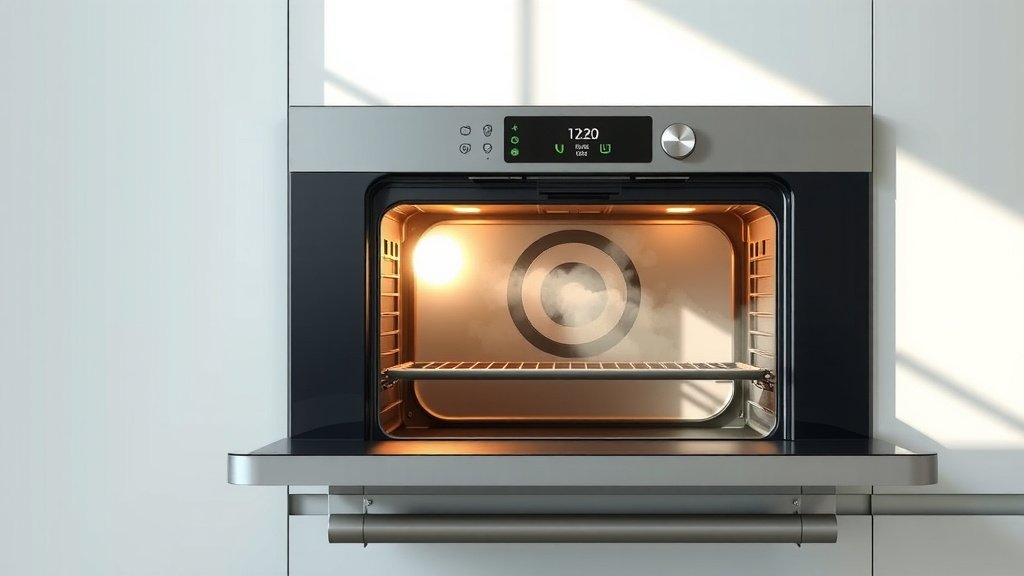
Your steam oven really has two main areas to keep sparkling: the cooking cavity itself and the water system. Each needs a slightly different approach to cleaning.
The cavity catches food splatters, while the water system handles the water you put in. Both are important for hygiene and performance.
Daily or After-Use Cleaning: A Quick Wipe-Down
This is your first line of defense against stubborn grime. After you’ve cooked a delicious meal, give your oven a quick once-over.
Allow the oven to cool slightly, then use a soft cloth to wipe away any fresh food residue or condensation. This simple step can prevent major headaches later.
Weekly or Bi-Weekly Deep Clean: Getting Down to Business
Even with daily wiping, things can build up. A deeper clean every one to two weeks helps keep your oven truly pristine.
This involves a bit more effort, focusing on the entire interior and removing any dried-on splatters. It’s like giving your oven a refreshing spa day!
The Descaling Mission: When and How Often
Descaling is arguably the most critical maintenance task for a steam oven. It directly tackles those invisible mineral deposits inside the water system.
Most manufacturers suggest descaling every three to six months, but if you live in an area with very hard water or use your oven frequently, you might need to do it more often.
Signs It’s Time for a Deep Clean or Descale
How do you know it’s time? Your oven often gives you clues. You might notice unpleasant odors, visible residue, or even a decrease in steam production.
If you see white, chalky spots appearing, especially around the water inlet or inside the cavity after drying, that’s a clear sign you need to descale soon.
Essential Tools for a Sparkling Steam Oven
You don’t need a professional cleaning kit. A few simple items will do the trick:
- A soft, non-abrasive cloth or sponge
- Mild dish soap or a dedicated steam oven cleaner
- Descaling solution (often specific to your oven brand)
- A spray bottle for diluted cleaner
- Rubber gloves to protect your hands
Your Step-by-Step Light Cleaning Checklist
Making light cleaning a habit is really easy. Here’s a quick checklist to guide you:
- Allow the oven to cool down completely after use.
- Remove any remaining food particles or racks.
- Wipe down the interior surfaces with a damp, soft cloth.
- For sticky spots, use a cloth lightly dampened with mild dish soap.
- Dry the interior thoroughly with a clean, dry cloth to prevent water spots.
- Empty and dry the water tank, leaving the door ajar to air it out.
Deep Cleaning Your Steam Oven: A Practical Guide
When it’s time for a deep clean, you’ll want to take a bit more time. Here’s a simple process to follow:
First, remove all racks, trays, and the water tank. You can wash these items separately in your sink with warm, soapy water.
Next, spray the oven interior with a mix of water and mild dish soap, or a specialty oven cleaner safe for steam ovens. Let it sit for about 10-15 minutes to loosen grime.
Then, scrub gently with a soft sponge or cloth, paying attention to corners and around the door seal. Rinse thoroughly with a clean, damp cloth, wiping until all soap residue is gone.
Finally, dry the entire interior with a clean, dry cloth. Ensure the door seal is clean and dry to prevent mold or mildew growth. This attention to detail ensures lasting cleanliness.
The Descaling Process: Guarding Your Oven’s Health
Descaling is a bit different from cleaning. It uses an acidic solution to dissolve those stubborn mineral deposits. Always use the descaling solution recommended by your oven manufacturer.
Many modern steam ovens have an automated descaling program. Just follow the instructions in your user manual, which typically involves filling the water tank with the solution and starting the cycle.
If your oven doesn’t have an auto-program, you’ll generally mix the solution according to instructions, spray the affected areas, let it sit, then wipe and rinse thoroughly. Research often connects proper descaling to the longevity of appliances (NIH).
Common Cleaning Pitfalls to Avoid
It’s easy to make mistakes, especially when you’re busy. Here are a few things to steer clear of:
Never use abrasive cleaners, scouring pads, or metal brushes. These can scratch the delicate surfaces of your oven.
Avoid harsh chemicals like oven degreasers not specifically designed for steam ovens. They can damage components or leave harmful residues.
Don’t forget to clean and dry the water tank. Leaving stagnant water can lead to mold and bad odors. Also, remember to wipe down the door gasket.
Cleaning Schedule for Different Usage Levels
Your lifestyle plays a big role in how often your oven needs attention. Here’s a general guide:
| Usage Level | Light Cleaning (Wipe-down) | Deep Clean | Descaling |
|---|---|---|---|
| Occasional (1-2 times/week) | After every 2-3 uses | Monthly | Every 6-9 months |
| Regular (3-5 times/week) | After every use | Bi-weekly | Every 3-6 months |
| Heavy (Daily or more) | After every use | Weekly | Every 2-3 months |
Beyond Cleaning: The Payoff for Your Effort
Taking the time to care for your steam oven isn’t just about appearances. It keeps your food tasting great, prevents costly repairs, and extends the lifespan of your appliance.
A clean oven is an efficient oven. It heats faster, cooks more evenly, and uses less energy, saving you money in the long run. Plus, who doesn’t love cooking in a sparkling kitchen?
Conclusion
Keeping your steam oven clean doesn’t have to be a chore; it’s an investment in delicious meals and a long-lasting appliance. A combination of consistent light cleaning, regular deep cleaning, and essential descaling is your secret weapon.
By understanding your oven’s needs and following a simple schedule, you’ll enjoy perfect steam-cooked dishes for years to come. Remember, a little effort goes a long way in maintaining your kitchen’s culinary star.
How do I descale my steam oven if it doesn’t have an auto-program?
If your steam oven lacks an automatic descaling function, you’ll typically mix a descaling solution (often citric acid based or brand-specific) with water according to the manufacturer’s directions. You then apply this mixture to the interior, let it sit to dissolve mineral buildup, and then wipe and rinse thoroughly. Always consult your oven’s user manual for precise instructions.
Can I use vinegar to clean my steam oven?
While vinegar is a common household cleaner, many oven manufacturers advise against using it in steam ovens. The acidity can be too strong for certain internal components, especially seals and sensors. It’s generally safer to use mild dish soap, a dedicated steam oven cleaner, or the specific descaling solution recommended by the oven’s brand.
What happens if I don’t descale my steam oven regularly?
Failing to descale your steam oven will lead to a buildup of mineral deposits (limescale). This can block steam nozzles, reduce the oven’s efficiency, increase cooking times, and potentially cause damage to heating elements or the water pump. Over time, it can result in expensive repairs and a significantly shortened oven lifespan.
How can I prevent mold or mildew in my steam oven?
To prevent mold or mildew, always dry the oven interior thoroughly after each use, especially the door gasket. Leave the oven door ajar for a while after cooking to allow air circulation and ensure any remaining moisture evaporates. Also, empty and dry the water tank after each use and leave its cover off if possible.
Is it normal for my steam oven to smell sometimes?
A slight, temporary smell during the first few uses of a new oven is normal as it burns off manufacturing residues. However, if your steam oven develops persistent or unpleasant odors, it’s usually a sign that it needs cleaning. Food residue, grease buildup, or even mildew from moisture can cause these smells, indicating it’s time for a deep clean or descaling.