
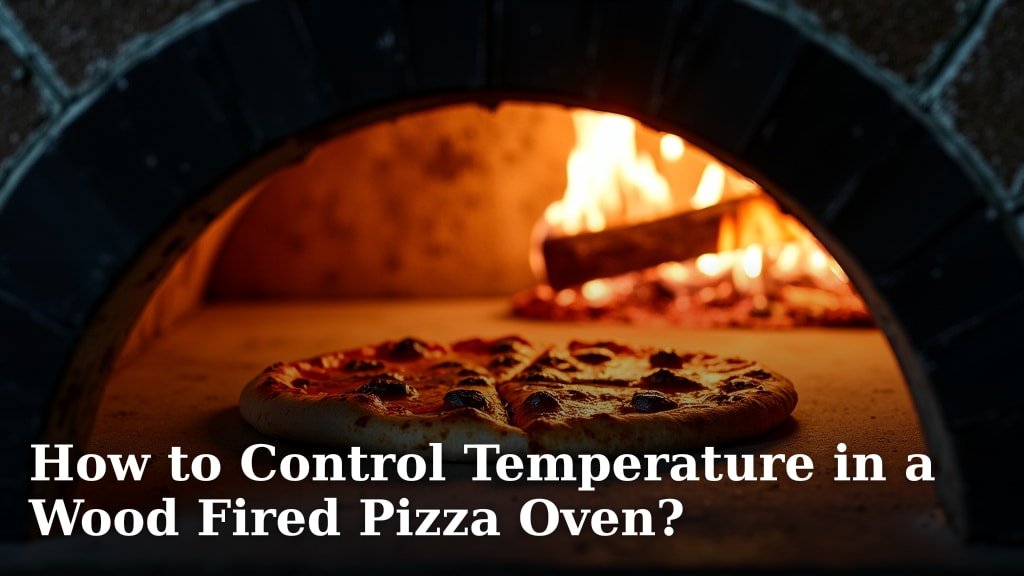
To control temperature in a wood fired pizza oven, you primarily manage the size and intensity of your fire, along with careful use of your oven’s door and flue. You’ll move embers and adjust airflow to maintain the ideal heat for perfect crusts.
Getting your oven to the right temperature, and keeping it there, is a skill that comes with practice. It involves understanding how different types of wood burn and how your specific oven radiates heat. Achieving that perfect, consistent cooking environment is key to amazing homemade pizza.
- Understand your oven’s heat dynamics.
- Manage fire size and wood type.
- Use the door and flue for airflow control.
- Monitor temperature zones for cooking.
- Practice makes perfect for heat management.
Ready to master your wood fired oven? Let’s walk through exactly how you can manage the heat for delicious results every time.
Mastering Your Wood Fired Oven’s Heat
Controlling the temperature in your wood fired pizza oven is all about understanding how fire works and how your oven reacts. It’s a dance between fuel, air, and insulation. You want to create a consistent heat for that perfect crust.
Understanding Heat Dynamics in Your Oven
Your wood fired oven heats up in several ways. There’s convection heat from the hot air circulating inside. Then there’s conduction heat from the hot floor and walls transferring directly to your pizza. Lastly, there’s radiant heat from the flames and hot dome.
Knowing this helps you make informed decisions. For instance, radiant heat is what gives you those beautiful leopard spots on the crust (Pizza Pilgrims).
The Role of Your Oven’s Materials
Different ovens retain heat differently. A thicker, well-insulated oven made of refractory materials will hold heat longer. Thinner, metallic ovens heat up faster but lose heat more quickly. This affects how often you need to add wood. To find an oven that holds heat well, consider exploring options for the best wood-fired pizza oven.
Always allow your oven enough time to fully saturate with heat. This means the dome and floor are at optimal temperature. This can take anywhere from 45 minutes to several hours, depending on your oven’s size and construction.
Fueling the Fire: Wood Selection and Management
The type of wood you use makes a huge difference. You want hardwoods that burn hot and clean. Softwoods burn too fast and create too much soot.
- Oak: Burns hot and long, a classic choice.
- Maple: Similar to oak, good heat output.
- Apple: Creates a nice aroma, good for flavor.
- Cherry: Another good option for both heat and aroma.
Avoid treated wood or construction scraps. These can release harmful chemicals and ruin your food. Always use seasoned wood, meaning it’s been dried for at least six months to a year. Wet wood creates lots of smoke and lower temperatures.
Building and Maintaining Your Fire
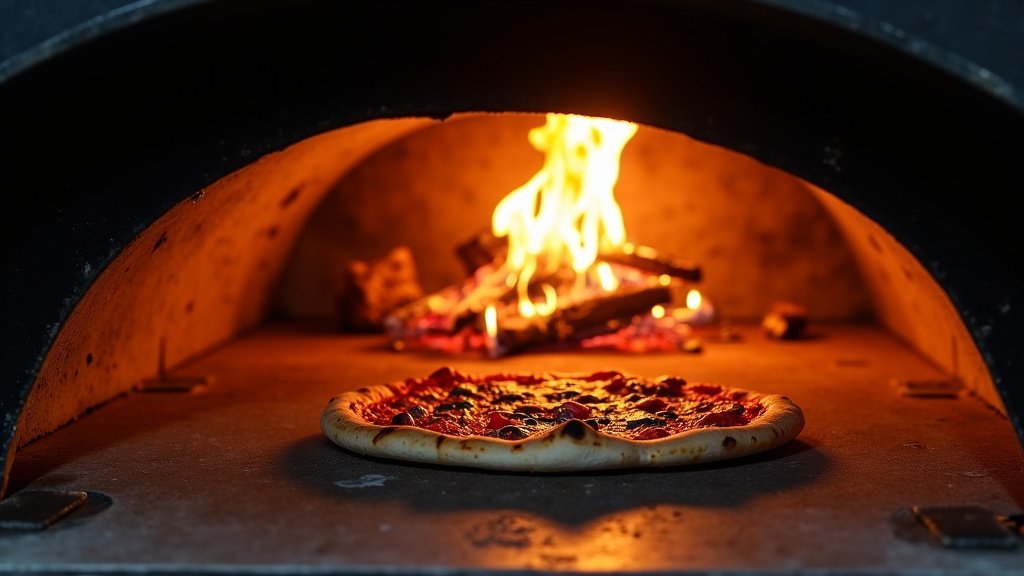
Start with a small fire to gradually heat the oven. Use kindling and small pieces of wood. Once it’s going, add larger pieces. Position your fire to one side of the oven, typically the back or left side. This creates a hot zone for radiant heat and leaves the cooking floor free.
To increase temperature, add more wood. For a steady temperature, add smaller pieces more frequently. If you see the temperature dropping, it’s time to feed the fire. Don’t let it die down too much, or you’ll have to rebuild heat (Forno Bravo).
Airflow: Your Oven’s Thermostat
Air is crucial for combustion. More air means a hotter, faster-burning fire. Less air means a cooler, slower burn. You control airflow using your oven’s door and flue.
Using the Flue Damper
Your flue is like a chimney. It draws air into the oven and lets smoke out. Most wood fired ovens have a damper in the flue. Opening the damper allows more air to flow, increasing heat. Closing it restricts airflow, which can help maintain heat once you’ve reached your desired temperature.
When starting your fire, keep the flue fully open to establish a good draft. Once the oven is hot, you might partially close it to hold heat in the dome. Just be careful not to close it too much, or you’ll get excessive smoke inside the oven.
The Oven Door’s Influence
The door also plays a big role in airflow. Leaving the door open allows a lot of air in, making the fire burn hotter and faster. It also lets heat escape, especially from the dome. During cooking, you’ll often remove the door completely to allow access and some airflow.
Between pizzas, or when letting the oven soak up heat, you might place the door back on, leaving a small gap. This helps trap heat while still allowing some combustion. It’s a subtle adjustment that makes a big difference in heat retention.
Monitoring and Adjusting Temperature Zones
You’ll quickly learn that different parts of your oven have different temperatures. The area closest to the fire will be the hottest. The front of the oven, near the opening, will be cooler.
A good quality infrared thermometer is your best friend. It allows you to quickly scan the floor and dome. Aim for a floor temperature of 700-800°F (370-425°C) for Neapolitan style pizza (Vera Pizza Napoletana Association).
| Action | Effect on Temperature | When to Use |
|---|---|---|
| Add more wood | Increases heat quickly | Oven temp is too low, needs boost |
| Spread embers out | Distributes heat, can reduce flare-ups | After adding wood, to even out heat |
| Push embers to side | Concentrates heat on one side | During cooking to create hot zone |
| Close flue damper slightly | Slows combustion, retains heat | Maintaining temperature, not actively heating |
| Open flue damper fully | Increases combustion, exhausts smoke | Starting fire, active heating |
| Remove oven door | Increases airflow, releases some heat | During active cooking for access |
| Place oven door ajar | Restricts airflow, traps heat | Between cooks, soaking heat |
Pre-Heating and Soaking the Oven
Don’t rush the pre-heating process. This isn’t like a conventional oven. You need to saturate the oven’s mass with heat. Fire your oven hotter than your target cooking temperature initially. This builds up a heat reserve.
Once the oven looks white inside (the soot has burned off the dome), and your thermometer reads the desired temperature, let it “soak” for another 15-30 minutes. This allows the heat to equalize throughout the oven. Think of it like charging a battery; you want it fully charged before you start using it.
The Pizza Turn: Essential for Even Cooking
Because of the varying temperature zones, you can’t just throw a pizza in and walk away. You’ll need to rotate your pizza frequently. The side closest to the fire will cook much faster.
Use your pizza peel to turn the pizza 90 or 180 degrees every 15-30 seconds. This ensures even cooking and prevents one side from burning while the other remains raw. It’s a learned skill, but you’ll get the hang of it quickly.
Troubleshooting Common Temperature Issues
What if your oven is too hot? Or not hot enough? Don’t panic. You have control. If it’s too hot, spread out the embers. You can also allow the oven to cool by leaving the door off and waiting a few minutes. Don’t add more wood!
If it’s too cool, you need more fuel and more air. Add smaller pieces of wood, ensure your flue is open, and consider repositioning your fire to be more compact. Sometimes, a quick burst of intense heat can revive a fading oven.
Practice Makes Perfect
Controlling your wood fired oven is less of a science and more of an art. Each oven is unique, and each firing session will be slightly different. Pay attention to how your oven behaves, how different woods burn, and how your adjustments affect the temperature.
You’ll learn to read the flames, the color of the dome, and the sound of the crackling wood. Soon, you’ll be able to hit that sweet spot every time. Don’t be discouraged by a few burnt crusts or undercooked centers. Every pizza is a lesson! If you’re looking for an easier start, consider checking out the best pizza oven for beginners.
Your Pizza Oven Heat Management Checklist:
Use seasoned, dense hardwoods.
Allow ample time for pre-heating and soaking.
Position fire to one side, leaving cook space clear.
Adjust flue and door for airflow control.
Monitor floor temperature with an infrared thermometer.
Rotate pizzas frequently for even cooking.
Conclusion
Mastering your wood fired pizza oven’s temperature is a rewarding journey. You’ve learned that it’s all about a delicate balance: selecting the right wood, managing airflow with your door and flue, and understanding how your specific oven radiates heat. It takes patience to pre-heat correctly and attention to detail during the cook.
Don’t get discouraged if your first few pizzas aren’t perfect. Each attempt builds your skill and intuition. Keep practicing, pay attention to the subtle cues from your fire, and trust your senses. Soon, you’ll be consistently turning out delicious, perfectly cooked pizzas that impress everyone.
Frequently Asked Questions
How do I know when my wood fired oven is hot enough?
You’ll know your oven is ready when the inside dome turns white, indicating the soot has burned off. An infrared thermometer is also key; aim for a floor temperature between 700-800°F. Always let it soak for 15-30 minutes after reaching temp.
Can I use any type of wood in my pizza oven?
No, you should only use seasoned hardwoods like oak, maple, or apple. Softwoods burn too quickly and produce too much soot, while treated woods can release toxic chemicals. Always ensure your wood is dry and free from chemicals.
My pizza crust is burning on one side. What am I doing wrong?
This is very common! Your oven has hot spots, usually closest to the flame. You need to rotate your pizza frequently – every 15-30 seconds – using your peel to ensure even cooking and prevent one side from over-browning.
What if my oven gets too hot or too cold during cooking?
If too hot, remove the door, spread out embers, and wait a few minutes. If too cold, add smaller pieces of wood, ensure your flue is open for maximum airflow, and try to consolidate your fire for a quick boost in heat.
Should I keep the oven door on or off while cooking?
For active pizza cooking, you generally keep the door off to allow access and some airflow. However, for initial heat-up or between pizzas, placing the door ajar helps trap heat while still allowing some air circulation for the fire.
