
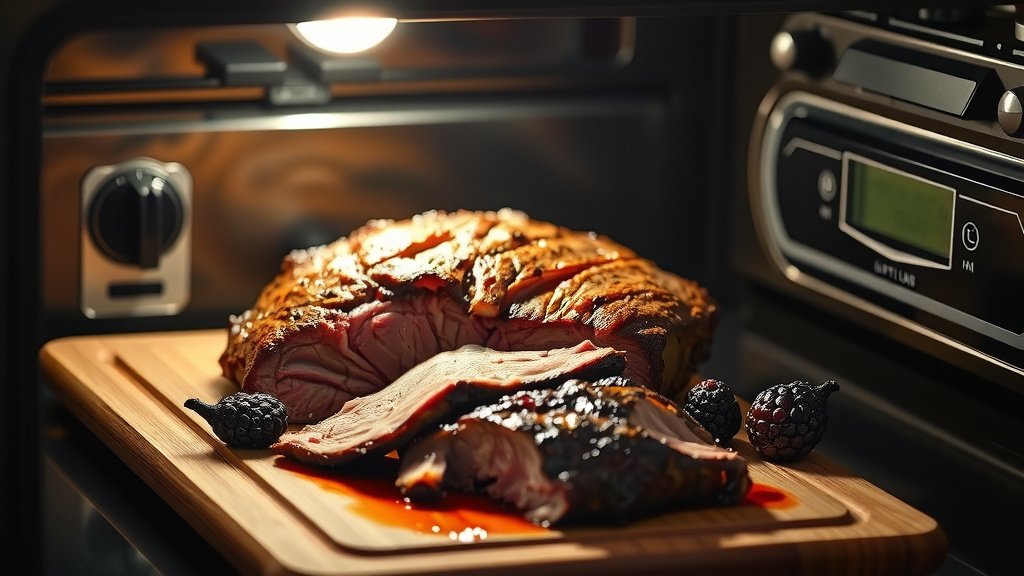
Cooking brisket in an electric oven involves a low-and-slow method to break down tough connective tissues, resulting in a tender, flavorful cut of meat. You’ll typically cook it at a consistent low temperature, often around 275°F (135°C), for many hours until it reaches an internal temperature of 200-205°F (93-96°C) for a perfect, sliceable texture.
To master how to cook brisket in an electric oven, you’ll need patience, a good meat thermometer, and a bit of moisture management to prevent drying out your delicious beef. The key is maintaining a steady temperature and allowing ample rest time after cooking.
- Get a good cut of brisket, trim excess fat, and season generously.
- Preheat your electric oven to a low temperature, usually 275°F (135°C).
- Cook the brisket slowly, allowing about 1 hour per pound, until it’s fork-tender.
- Wrap the brisket in foil or butcher paper to retain moisture during the cook.
- Always let your brisket rest for at least an hour after cooking for ultimate juiciness.
How To Cook Brisket In Electric Oven?
Cooking brisket in an electric oven is simpler than you might think, offering consistent results for a melt-in-your-mouth meal. You can achieve fantastic flavor and tenderness right in your kitchen.
Choosing Your Brisket Cut
When you head to the butcher, look for a “packer” brisket, which includes both the flat and the point muscles. This cut gives you a great balance of lean and fatty sections. Many experts say a full packer brisket often yields the best flavor (Texas A&M AgriLife Extension).
Flat vs. Point: What’s the Difference?
The flat is leaner and ideal for slicing, while the point is fattier and shreds beautifully. Both are delicious parts of your brisket. Don’t worry, your electric oven can handle either with care.
Preparing Your Brisket for the Oven
Before any cooking, you’ll need to prepare your brisket. This step is like laying the foundation for a delicious house. Properly trimming and seasoning can make all the difference for your final dish.
Trimming the Fat
You want to leave about a quarter-inch of fat cap on your brisket. This fat renders down, keeping the meat moist and adding flavor. Research often connects proper fat trimming with improved bark formation and moisture retention (Kansas State University).
The Perfect Rub
A simple rub often works best for brisket. Think coarse salt, black pepper, and garlic powder. Some people add paprika or a touch of cayenne for a little kick. Apply your rub generously, pressing it into the meat on all sides. Allow it to sit on the brisket for at least 30 minutes, or even overnight in the fridge.
Setting Up Your Electric Oven for Brisket
Your electric oven is a fantastic tool for low-and-slow cooking. Consistency is the name of the game here. You’ll want to create an environment that gently coaxes your brisket to tenderness.
Preheat to Perfection
Preheat your oven to 275°F (135°C). We found that a lower, steady temperature helps break down collagen without drying out the meat. Place a rack in the middle of your oven for even heat distribution.
The Water Pan Secret
Consider placing a shallow pan of water on the bottom rack of your oven. This adds humidity, which helps keep the brisket moist and prevents it from drying out. Many pitmasters use this trick to maintain a humid cooking environment.
Cooking Your Brisket: The Low and Slow Method
This is where the magic happens. Brisket loves a long, gentle cook. Don’t rush it; your patience will be rewarded with incredible flavor and texture.
- Place the brisket fat-side up on a rack in a roasting pan. This lets the fat baste the meat as it renders.
- Cook uncovered for 3-4 hours to develop a nice “bark” (the flavorful crust).
- After the bark forms, wrap the brisket tightly in heavy-duty aluminum foil or butcher paper. This is often called the “Texas Crutch.”
- Return the wrapped brisket to the oven and continue cooking.
- Monitor the internal temperature with a reliable meat thermometer. You’re looking for 200-205°F (93-96°C) for optimal tenderness.
- Total cooking time can range from 8 to 12 hours, depending on the size and thickness of your brisket.
Checking for Doneness
The best way to tell if your brisket is done isn’t just by temperature. It’s also about tenderness. When you insert a probe, it should feel like inserting it into warm butter with very little resistance. This “probe tender” stage is key.
| Brisket Size | Oven Temperature | Estimated Cooking Time | Internal Temperature (Target) |
|---|---|---|---|
| 5-7 lbs (flat) | 275°F (135°C) | 6-9 hours | 200-205°F (93-96°C) |
| 10-14 lbs (full packer) | 275°F (135°C) | 10-14 hours | 200-205°F (93-96°C) |
| 15+ lbs (full packer) | 275°F (135°C) | 14-18 hours | 200-205°F (93-96°C) |
The All-Important Rest
Do not skip this step! Resting your brisket is just as important as the cooking itself. It allows the juices to redistribute throughout the meat, resulting in a significantly more tender and moist product. Many guidelines point to at least an hour of resting as a good first step (AmazingRibs.com).
How to Rest Your Brisket
Once your brisket reaches temperature, remove it from the oven (still wrapped). You can place it in an empty cooler, insulated with towels, for 1 to 4 hours. This keeps it warm and lets the magic happen. Think of it as a sauna for your brisket.
Slicing Your Perfect Brisket
The way you slice your brisket can affect its tenderness. You’ve worked hard; don’t ruin it now! Always slice against the grain for the most tender bite.
Finding the Grain
The muscle fibers run in a specific direction. You’ll want to cut perpendicular to these lines. With a full packer, the grain often runs differently in the flat and the point, so you might need to separate them before slicing.
Troubleshooting Common Brisket Challenges
Even seasoned cooks face issues. What if your brisket feels dry or tough? Don’t despair; we can usually fix it or learn for next time.
Dry Brisket?
This often happens from overcooking or not enough moisture during the rest. Next time, try wrapping it sooner or using that water pan. We found that wrapping helps retain moisture significantly (Meathead Goldwyn).
Tough Brisket?
If it’s tough, it likely needed more time to break down those connective tissues. The “probe tender” test is crucial here. Also, ensure you are slicing against the grain.
Brisket Cooking Checklist: Your Path to Success
Let’s make sure you’ve got everything covered for your delicious brisket journey.
- Have you chosen the right cut? (Full packer or flat)
- Is your brisket trimmed to a quarter-inch fat cap?
- Did you apply a generous, flavorful rub?
- Is your electric oven preheated to 275°F (135°C)?
- Do you have a water pan in the oven?
- Is your meat thermometer ready and accurate?
- Are you ready to wrap the brisket after the bark forms?
- Have you planned for a long, undisturbed rest?
- Do you know how to slice against the grain?
Conclusion
Cooking brisket in an electric oven truly is a rewarding experience. It takes time and a bit of technique, but the result is a flavorful, tender cut of meat that will impress anyone at your table. Remember, patience is your secret ingredient, along with a consistent low temperature and that all-important rest. Don’t be afraid to experiment a little with your rub and embrace the process. You’ll soon be serving up delicious, perfectly cooked brisket right from your own kitchen.
How long does it take to cook a 10lb brisket in an electric oven?
A 10-pound brisket cooked at 275°F (135°C) in an electric oven typically takes about 10 to 12 hours. However, the exact time can vary, so it’s always best to cook until the internal temperature reaches 200-205°F (93-96°C) and it feels “probe tender.”
Should I wrap brisket in foil or butcher paper in the oven?
Both foil and butcher paper work well for wrapping brisket. Foil creates a tighter seal, which can speed up the cooking process and retain more moisture. Butcher paper, on the other hand, allows for a bit more air circulation, which helps preserve the bark while still retaining moisture. Many prefer butcher paper for a firmer bark.
What temperature is best for cooking brisket in an electric oven?
The optimal temperature for cooking brisket in an electric oven is generally 275°F (135°C). This low and slow approach ensures the tough connective tissues have enough time to break down, resulting in a tender and juicy brisket without drying it out.
How do I prevent my brisket from drying out in an electric oven?
To prevent brisket from drying out, ensure you leave a quarter-inch fat cap on the meat, use a water pan in the oven to create humidity, and wrap the brisket tightly (in foil or butcher paper) once a good bark has formed. Crucially, allow it to rest for at least an hour after cooking to redistribute the juices.
Can I cook brisket overnight in an electric oven?
Yes, you can cook brisket overnight in an electric oven, especially larger cuts. The low and slow cooking method at 275°F (135°C) is ideal for long unattended cooks. Just ensure you have a reliable oven and, ideally, a thermometer with a remote probe so you can monitor the temperature without opening the oven too often.
