
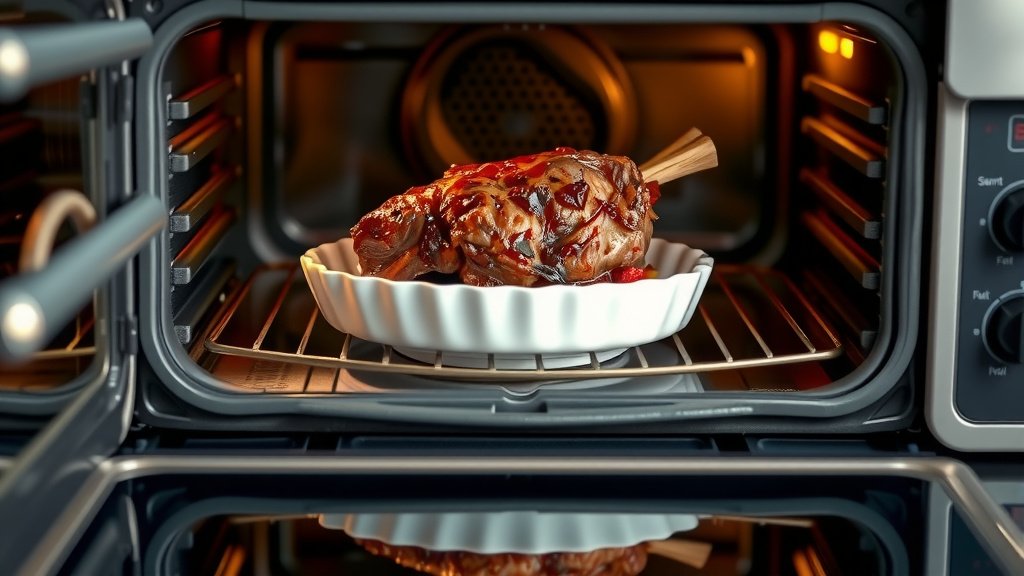
To cook lamb in an electric oven, preheat it to 350-375°F (175-190°C) and roast until the internal temperature reaches 145°F (63°C) for a delicious medium-rare. Always use a meat thermometer for accuracy to ensure your lamb is perfectly cooked and safe to eat.
Achieving a tender and flavorful lamb dish in your electric oven is simpler than you might think when you focus on proper preparation, temperature control, and a crucial resting period. You’ll be surprised how easily you can create a memorable meal.
Here’s a quick overview of what you’ll find in this guide:
- Choose the right lamb cut for your cooking needs.
- Understand the best oven temperatures for different lamb dishes.
- Master the art of seasoning and preparation for maximum flavor.
- Learn the importance of a meat thermometer for perfect doneness.
- Discover why resting your lamb after cooking is non-negotiable.
How To Cook Lamb In An Electric Oven?
Cooking lamb in an electric oven means using steady, even heat to get tender, juicy results. This method works beautifully for various cuts, from roasts to chops, making it a versatile choice for your kitchen.
Understanding Your Electric Oven
Electric ovens offer a consistent heat source, which is wonderful for roasting. They often heat up slower than gas ovens, but once they reach temperature, they tend to hold it quite well. Knowing your oven helps you cook better.
Many experts say preheating is key with electric ovens. Don’t rush it; give your oven at least 15-20 minutes to reach its set temperature fully. This ensures an even cooking environment for your lamb.
Choosing Your Lamb Cut
The type of lamb you choose impacts cooking time and method. Are you aiming for a show-stopping roast or quick weeknight chops? Each cut has its own charm.
Common cuts include a leg of lamb, shoulder, rack, loin chops, and ground lamb. We’ll focus on the most popular cuts for oven roasting and baking.
Here’s a quick guide to popular lamb cuts and their best oven uses:
| Lamb Cut | Best For | Typical Cook Time (approx.) |
|---|---|---|
| Leg of Lamb | Roasting (whole or boneless) | 1.5 – 2.5 hours |
| Lamb Shoulder | Slow Roasting, Pulled Lamb | 2.5 – 4 hours |
| Lamb Rack | Roasting (impressive presentation) | 20 – 30 minutes |
| Lamb Chops (Loin/Rib) | Baking, Pan-Seared then Oven-Finished | 15 – 25 minutes |
| Ground Lamb | Meatballs, Shepherd’s Pie | 20 – 35 minutes |
Preparing Lamb for the Oven
Preparation is where flavor truly begins. Patting your lamb dry is a small step with a big impact. It helps create that beautiful, crispy crust we all love.
Don’t forget to season generously. Salt, pepper, garlic, rosemary, and thyme are classic companions for lamb. Rub these into the meat for the best taste.
To Marinate or Not to Marinate?
Marinating can add moisture and flavor, especially for leaner cuts or if you want a particular taste profile. But is it always needed? Not necessarily.
For tender cuts like lamb chops, a simple dry rub often suffices. However, for a tougher shoulder cut, a marinade with some acidity can help tenderize the meat (Cook’s Illustrated).
Setting the Right Temperature
Temperature is perhaps the most critical factor for success. Too high, and you burn the outside; too low, and it dries out before cooking through. So, what’s the sweet spot?
Many chefs recommend starting with a higher temperature for a quick sear, then reducing it. However, a consistent medium-high temperature often works perfectly for most lamb cuts in an electric oven.
Recommended Oven Temperatures
For most lamb roasts and chops, a temperature between 325°F (160°C) and 375°F (190°C) is ideal. Lower temperatures are for slow-cooked, fall-off-the-bone results, while higher ones give a quicker cook time.
We found that for a typical leg of lamb, 350°F (175°C) offers a great balance between tender interior and browned exterior.
Timing Your Lamb Perfectly
Forget guesswork! A meat thermometer is your best friend when cooking lamb. It takes the stress out of timing and guarantees your lamb is cooked just right. Why risk over or undercooking?
Insert the thermometer into the thickest part of the meat, avoiding any bones. This gives you the most accurate reading.
Internal Temperature Guide
Here’s what you should aim for (USDA guidelines):
- Rare: 125-130°F (52-54°C)
- Medium-Rare: 130-135°F (54-57°C)
- Medium: 135-140°F (57-60°C)
- Medium-Well: 140-145°F (60-63°C)
- Well-Done: 150°F (66°C) and above
Remember, the temperature will rise a few degrees after you remove it from the oven. This is called “carryover cooking.”
The Crucial Resting Period
You’ve pulled your perfectly cooked lamb from the oven. Resist the urge to slice it immediately! This resting step is incredibly important. Why, you ask?
Resting allows the juices to redistribute throughout the meat. If you cut it too soon, those delicious juices will run out onto your cutting board, leaving you with dry lamb. We found that 10-20 minutes of resting makes a world of difference.
How to Rest Your Lamb
Simply transfer the cooked lamb to a clean cutting board. Tent it loosely with foil to keep it warm. This simple act locks in flavor and moisture, making your lamb truly shine.
Common Mistakes to Avoid
Even seasoned cooks can make mistakes. Let’s make sure you avoid these common pitfalls that can ruin a delicious lamb dish. Knowing what to watch for helps you cook like a pro.
Overcrowding the Pan
When cooking chops or smaller pieces, resist the temptation to cram too much onto one baking sheet. Overcrowding lowers the pan’s temperature and steams the meat instead of roasting it. Use two pans if needed for better air circulation and browning.
Not Preheating the Oven
As mentioned, preheating is vital for even cooking and a good sear. Putting lamb into a cold oven means it cooks slowly and unevenly, leading to a less desirable texture. A properly preheated oven ensures a strong start for your lamb.
Here’s a quick checklist for cooking lamb in your electric oven:
- Preheat your electric oven fully.
- Pat the lamb dry before seasoning.
- Season generously with salt, pepper, and herbs.
- Use a reliable meat thermometer.
- Rest the lamb for at least 10-15 minutes.
Conclusion
Cooking lamb in an electric oven doesn’t have to be intimidating. By understanding your oven, choosing the right cut, seasoning well, and monitoring internal temperatures, you’re well on your way to creating truly memorable meals. Remember the resting period – it’s a game-changer! Enjoy the process and the delicious results.
FAQs About Cooking Lamb in an Electric Oven
How long does it take to cook a 2-pound leg of lamb in an electric oven?
A 2-pound boneless leg of lamb, roasted at 350°F (175°C), typically takes about 45-60 minutes to reach a medium-rare internal temperature of 130-135°F (54-57°C). Always rely on a meat thermometer for precise doneness, as oven performance varies.
Should I cover lamb when cooking it in an electric oven?
Generally, for roasting lamb, you do not need to cover it. Leaving it uncovered helps develop a beautiful, crispy crust. However, if you notice the lamb browning too quickly, you can loosely tent it with foil during the last part of cooking to prevent over-browning.
Can I cook frozen lamb in an electric oven?
While technically possible, it’s highly recommended to thaw lamb completely before cooking in an electric oven. Cooking lamb from frozen will significantly increase cooking time and can result in uneven cooking, with the outside potentially overcooked while the inside remains raw.
What internal temperature is considered well-done for lamb?
For well-done lamb, you should aim for an internal temperature of 150°F (66°C) or higher. Keep in mind that lamb will continue to cook a few degrees after it’s removed from the oven, so you might pull it out at 145-148°F (63-64°C).
What are some good seasonings for lamb when cooking in an electric oven?
Lamb pairs wonderfully with robust flavors. Classic seasonings include fresh rosemary, thyme, garlic, salt, and black pepper. Other popular choices include oregano, mint, cumin, and a hint of lemon zest, depending on the culinary direction you’re taking.
