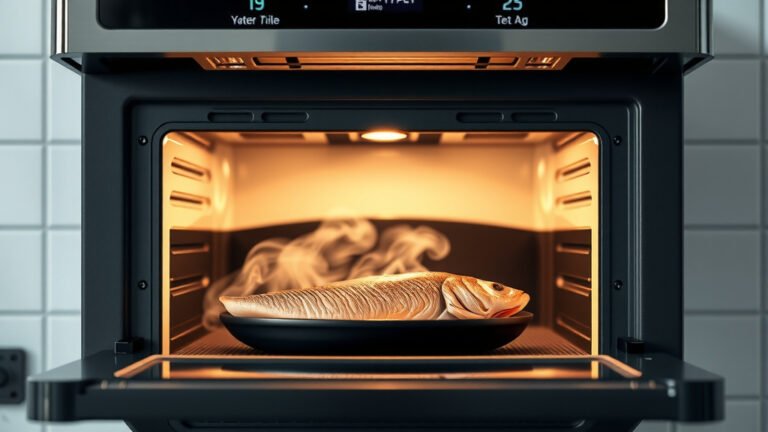
To reheat food in a toaster oven, preheat it to a moderate temperature, typically 300-350°F (150-175°C), place your food in an oven-safe dish, and heat until warmed through.
This method brings back a pleasant crispiness to leftovers, often making them taste fresher than microwave reheating, making your toaster oven a fantastic tool for reviving meals.
Short on time? Here’s the gist of reheating food in your toaster oven:
- Preheat your toaster oven to the correct temperature for best results.
- Always use oven-safe dishes; avoid plastic or paper containers.
- Cover food with foil to prevent drying, especially for moister dishes.
- Flip or stir food midway to ensure even heating and crispiness.
- Use a food thermometer to check internal temperatures for optimal food safety.
How To Reheat Food In A Toaster Oven?
Reheating food in a toaster oven involves setting the right temperature, choosing the correct dish, and monitoring the process for optimal taste and safety.
It’s a fantastic way to bring back the crisp texture that microwaving often misses, giving your leftovers a new life.
Why Choose a Toaster Oven for Leftovers?
Ever notice how some leftovers just turn soggy in the microwave? A toaster oven is your secret weapon for avoiding that!
It provides dry, even heat that can actually improve the texture of foods like pizza or fried chicken, making them taste almost fresh again. Many home cooks consider it a miniature conventional oven.
The Basic Steps for Perfect Reheating
Think of reheating as a gentle re-cooking. You want to warm the food without overcooking it. It’s all about balance.
Following a few simple steps can make all the difference, transforming your meal from bland to brilliant.
Prepare Your Food and Dish
First, get your food ready. If it’s been in the fridge, let it sit out for about 10-15 minutes to lose its chill. This helps it heat more evenly.
Choose an oven-safe dish that fits comfortably inside your toaster oven. Glass, ceramic, or metal are all great choices.
Set the Right Temperature
Unlike cooking from scratch, reheating usually requires a lower temperature. We found that 300-350°F (150-175°C) works well for most items.
This moderate heat prevents the outside from burning before the inside warms up, giving you a perfectly heated meal.
Monitor and Flip
Keep an eye on your food. Toaster ovens can heat quickly! Many experts recommend checking your food every 5-7 minutes.
Flipping or stirring your food halfway through helps ensure even heating throughout, preventing cold spots and promoting crispiness.
Ideal Temperatures for Various Foods
Different foods have different needs when it comes to reheating. A little adjustment in temperature or time can make a big impact.
We found that understanding these differences helps you avoid dry or rubbery results.
| Food Type | Recommended Temp | Approximate Time | Key Tip |
|---|---|---|---|
| Pizza Slices | 350-375°F (175-190°C) | 5-10 minutes | Place directly on rack for crispy crust. |
| Fried Chicken | 325-350°F (160-175°C) | 10-15 minutes | Cover with foil initially, then remove. |
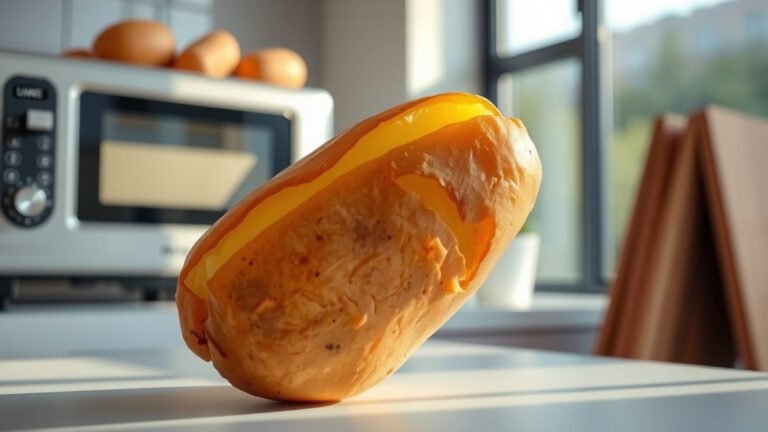
| Baked Potatoes | 375-400°F (190-200°C) | 15-20 minutes | Wrap in foil to retain moisture. |
| Roasted Vegetables | 350°F (175°C) | 8-12 minutes | Spread in a single layer for best results. |
| Casseroles/Lasagna | 325°F (160°C) | 15-25 minutes | Cover with foil to prevent drying. |
Food-Specific Reheating Tips
Think of your toaster oven as a tiny specialist for different dishes. Each type of food has its own best practices for reheating.
Let’s dive into some common leftovers you might want to revive.
Pizza Slices
For pizza, you want that crispy crust and melted cheese. Skip the microwave; it makes it soft.
Place your slices directly on the toaster oven rack for maximum crispiness, ensuring a delicious outcome (research shows this is a crowd favorite).
Fried Chicken and Crispy Items
To bring back that crunch in fried chicken, a toaster oven is perfect. Start by loosely covering it with foil.
This helps warm it through without drying it. Then, remove the foil for the last few minutes to restore its crispiness.
Pasta and Casseroles
These dishes tend to dry out quickly. Always cover them with aluminum foil to trap moisture.
You can also add a tablespoon of water or broth to pasta to help it steam and stay tender.
Roasted Vegetables
Spread your roasted veggies in a single layer on a baking sheet. This ensures they heat evenly and re-crisp, instead of becoming mushy.
A little drizzle of olive oil can also help bring back their freshly roasted flavor.
Baked Goods and Pastries
For items like croissants or muffins, a lower temperature (around 250-275°F or 120-135°C) for a shorter time is ideal.
This gently warms them through, making them soft and delicious without over-toasting them, as if they just came from the bakery.
Essential Safety Checks
Food safety is paramount when reheating. You want your meal to be delicious, yes, but also safe to eat.
Many food safety guidelines, including those from the USDA, suggest that reheating food to an internal temperature of 165°F (74°C) is key to killing harmful bacteria.
Pro Tips for Even Heating
Sometimes, food heats unevenly. Here are some strategies to ensure every bite is perfectly warm:
- Break down larger portions into smaller pieces before reheating.
- Always place food in a single, even layer on your baking sheet or dish.
- Consider covering dishes with foil to distribute heat more consistently, especially for denser items.
- Stir or flip your food at least once midway through the reheating process.
- Use a reliable food thermometer to confirm internal temperature for safety.
Choosing the Right Cookware
The type of dish you use really matters in a toaster oven. Not everything that goes in a big oven is suitable for its smaller counterpart.
Opt for materials like glass, ceramic, or metal. Avoid plastic containers or anything with plastic components, as these can melt or release chemicals at high temperatures (FDA advises caution with certain plastics).
Conclusion
Reheating food in a toaster oven is an easy and effective way to enjoy your leftovers without sacrificing taste or texture. It’s about more than just warming up food; it’s about reviving it.
By understanding the right temperatures, using proper dishes, and keeping a watchful eye, you can turn yesterday’s meal into a fresh, satisfying experience. So, next time you have leftovers, grab your toaster oven and give your food the second chance it deserves.
FAQ: Is it safe to reheat food in a toaster oven?
Yes, absolutely! Reheating food in a toaster oven is very safe, provided you follow proper food safety guidelines. Ensure your food reaches an internal temperature of 165°F (74°C) to kill any potential bacteria. Always use oven-safe dishes and avoid excessive temperatures that could burn the food.
FAQ: Can I use aluminum foil in a toaster oven?
You can use aluminum foil in a toaster oven, but with caution. Avoid letting the foil touch the heating elements, as this can create a fire hazard. It’s best to use it to cover food or line a baking sheet rather than for full wraps, and always ensure it does not block vents.
FAQ: How long does it take to reheat food?
The time it takes to reheat food in a toaster oven varies greatly depending on the food type, its initial temperature, and its density. Generally, it can take anywhere from 5 to 25 minutes. Lighter items like pizza might take 5-10 minutes, while denser dishes like casseroles could take 15-25 minutes. Always check for proper internal temperature.
FAQ: What foods should I avoid reheating in a toaster oven?
While versatile, some foods aren’t ideal for toaster oven reheating. Dishes with delicate sauces or very liquidy items can dry out quickly or create a mess. Also, very large, thick portions might heat unevenly. Steamed vegetables or very thin meats might be better suited for other methods to prevent overcooking.
FAQ: How do I prevent food from drying out?
To prevent food from drying out in a toaster oven, cover it loosely with aluminum foil for most of the reheating time. You can also add a small amount of liquid, like water or broth, to dishes like pasta or rice before covering. For baked goods, a lower temperature and shorter time help retain moisture.