
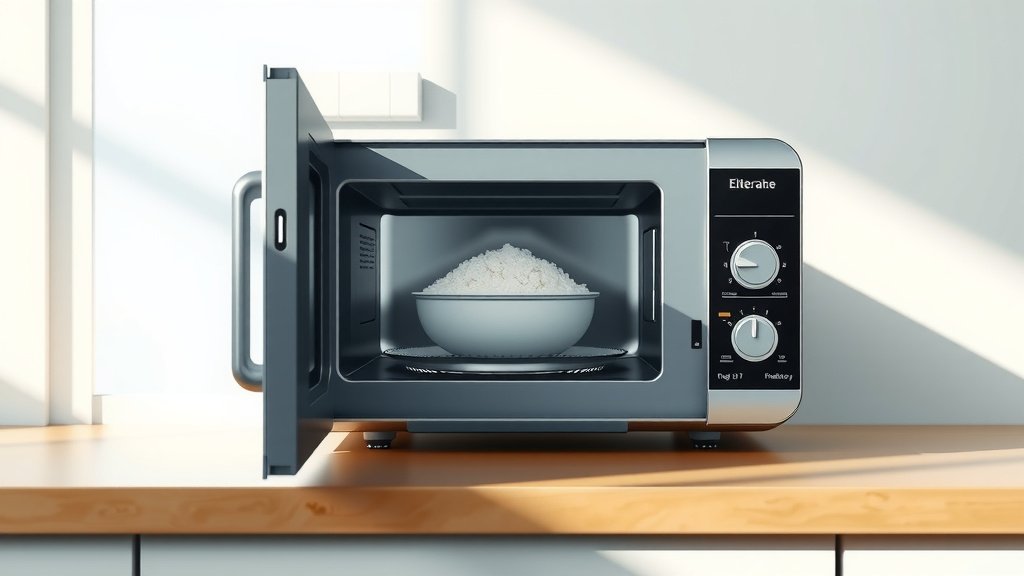
To reheat rice in a microwave without drying it out, the secret is to add a small splash of water or broth to the rice before heating, then cover it tightly. This creates steam that rehydrates the grains.
You can achieve perfectly moist and fluffy rice by using a microwave-safe dish, adding about a tablespoon of liquid per cup of rice, covering it with a lid or damp paper towel, and microwaving in short bursts.
- Always add a little liquid (water or broth) to your rice before microwaving.
- Cover the rice tightly to trap steam, which prevents it from drying.
- Microwave in short intervals (1-2 minutes) and stir to ensure even heating.
- Let the rice rest for a minute or two after heating, then fluff it with a fork.
- Proper portioning also helps, reheating only what you need.
How To Reheat Rice In Microwave Without Drying?
The best way to reheat rice in a microwave without drying it out is by introducing moisture back into the grains and trapping it. Think of it like a mini steam bath for your leftover rice.
This method ensures your rice comes out fluffy and delicious, not hard or crispy. It’s a simple trick that makes a big difference.
Why Does Rice Dry Out in the Microwave?
Have you ever microwaved leftover rice only to find it crunchy and stiff? This happens because your microwave heats food by causing water molecules to vibrate.
Without added moisture and a cover, the existing water in the rice evaporates quickly. This leaves you with dry, undesirable grains.
Uneven heating also plays a role. Microwaves can create hot spots, leaving some parts of your rice piping hot and others still cool or dry. This is why proper preparation is key for success.
The Golden Rule: Add Moisture
Adding liquid is the single most important step in preventing dry rice. A small amount of water or broth transforms your leftover rice into a steamed delicacy.
This added liquid turns into steam, which gently rehydrates each grain. It’s a bit like giving your rice a fresh start.
We found that about one tablespoon of liquid per cup of rice works wonders. For smaller portions, a teaspoon might be enough. The goal is to create a steamy environment, not to make soup.
Essential Tools You’ll Need
Getting your rice just right doesn’t require fancy gadgets. You likely have everything you need in your kitchen already. It’s about using the right tools in the right way.
- A microwave-safe bowl or plate.
- A microwave-safe lid, plastic wrap, or a damp paper towel.
- A spoon or fork for stirring.
- A little bit of water or chicken/vegetable broth.
Step-by-Step Guide to Perfect Microwave Rice
Let’s walk through the simple steps to turn yesterday’s rice into today’s moist and enjoyable meal. You’ll wonder why you didn’t try this sooner.
Following these steps can help you avoid common pitfalls and enjoy your leftovers more. It’s all about thoughtful preparation.
Step 1: Portion Your Rice
Start by transferring the amount of rice you want to reheat into a microwave-safe bowl. Smaller portions generally reheat better and more evenly.
If you try to reheat a large batch, you might end up with some cold spots. This is because microwaves penetrate food less effectively in larger quantities.
Step 2: Add That Crucial Liquid
Sprinkle about a tablespoon of water or broth over each cup of rice. For half a cup, use about a teaspoon. Don’t drown it; just moisten the surface.
This small addition is your secret weapon against dry rice. We found that the added liquid helps create steam. Many experts say this step is non-negotiable for fluffy results.
Step 3: Cover It Up
This is where the magic of steam really happens. Cover your bowl tightly with a microwave-safe lid, plastic wrap, or even a damp paper towel.
A damp paper towel works particularly well, as it adds extra moisture to the steaming process. The cover traps the steam, allowing it to rehydrate the rice evenly.
Step 4: Microwave with Care
Place your covered rice in the microwave. Heat on medium to high power for 1-2 minutes. We found that short bursts prevent overheating.
After the first minute, pause and give the rice a good stir. This redistributes the heat and helps every grain get its share of steam. Then, microwave for another 30 seconds to a minute, if needed.
Step 5: Let It Rest (and Fluff!)
Once heated, let the rice sit covered for another minute or two outside the microwave. This resting period allows the steam to fully penetrate and even out the temperature.
Finally, remove the cover and fluff the rice with a fork. This separates the grains and releases any remaining steam, ensuring a light and airy texture. Your rice should now be warm, moist, and ready.
Troubleshooting Common Reheating Mistakes
Sometimes, even with the best intentions, things can go a little sideways. Don’t worry, these common issues have simple fixes.
Learning to adjust your technique makes you a reheating master. It’s about understanding what went wrong and how to correct it.
Still Dry? You Might Need More Water.
If your rice still feels dry after following the steps, you might have been too conservative with the liquid. Different rice types absorb moisture differently.
Next time, try adding a little more water or broth. A slight increase can make all the difference. Practice makes perfect when fine-tuning your process.
Unevenly Hot? Stir More Often.
Are some parts of your rice scorching hot while others are lukewarm? This is a classic sign of uneven microwave heating.
The solution is simple: stir your rice halfway through the cooking process. You might even stir it twice for larger portions. This ensures the heat spreads evenly throughout.
Sticky Rice? Less Water Next Time.
If your rice comes out a bit too mushy or sticky, it means you added too much liquid. It’s an easy mistake to make, and easily corrected.
Reduce the amount of water or broth you add during the next reheating session. Remember, you’re aiming for a gentle steam, not a boil.
Rice Safety: A Quick Reminder
Reheating rice isn’t just about taste; it’s also about safety. Incorrect handling can lead to health concerns.
We found that many people are unaware of the risks associated with improper rice storage and reheating. Always prioritize safety first.
Don’t Leave Rice Out Too Long
Cooked rice should not be left at room temperature for more than one hour. Research often connects prolonged room temperature storage with the growth of Bacillus cereus, a common bacteria (CDC).
Always cool cooked rice quickly and store it in the refrigerator. Proper storage is the first line of defense against foodborne illness.
Reheat Only Once
For safety and quality, it’s best to reheat rice only once. Repeated reheating can increase the risk of bacterial growth, even with proper techniques.
Plan your portions carefully to avoid needing to reheat the same batch multiple times. This simple rule keeps your food safer and tasting better.
When In Doubt, Throw It Out
If your rice has been sitting out too long, smells strange, or looks off, it’s always safer to discard it. Your health is more important than saving leftovers.
It’s better to be cautious than to risk food poisoning. Trust your instincts when it comes to food safety.
Beyond the Microwave: Other Reheating Options
While the microwave is great for speed, it’s not the only way to reheat rice. Sometimes, another method might suit your needs better.
Exploring other options can give you flexibility. Each method has its own benefits and drawbacks.
| Method | Pros | Cons |
|---|---|---|
| Microwave | Fastest, convenient for small portions. | Can dry out easily if not done right. |
| Stovetop | Good for larger batches, can add flavors. | Requires more attention, more dishes. |
| Oven | Even heating, good for large casseroles. | Slowest method, not ideal for plain rice. |
Your Microwave Rice Reheating Checklist
Keep this quick checklist handy for your next rice reheating mission. It’s a simple way to ensure perfect results every time.
- Is the rice in a microwave-safe bowl?
- Have you added 1 tbsp of liquid per cup of rice?
- Is the bowl covered tightly (lid or damp paper towel)?
- Are you microwaving in short bursts (1-2 minutes)?
- Will you stir the rice halfway through?
- Will you let it rest for 1-2 minutes after heating?
Conclusion
Reheating rice in the microwave without drying it out is definitely achievable. It’s all about understanding how microwaves work and taking simple, proactive steps.
By adding a little moisture, covering your rice, and heating it gently, you can enjoy perfectly moist and fluffy leftovers every time. Remember to prioritize food safety by storing rice properly and reheating it only once. With these tips, your leftover rice will be as good as freshly cooked.
How much water should I add to reheat rice in the microwave?
We recommend adding about one tablespoon of water or broth for every cup of cooked rice you plan to reheat. For smaller portions, a teaspoon should be sufficient. The goal is to create steam to rehydrate the grains.
Can I use broth instead of water to reheat rice?
Absolutely! Using broth (chicken, vegetable, or beef) can add extra flavor to your reheated rice. It works just as effectively as water to create the necessary steam and prevent drying.
Why is it important to cover rice when microwaving?
Covering the rice is crucial because it traps the steam generated by the added liquid. This steam circulates around the rice, gently rehydrating each grain and preventing the moisture from simply evaporating into the microwave air.
Is it safe to reheat rice that has been left out overnight?
No, it is not safe. Cooked rice should be cooled quickly and refrigerated within one hour of cooking. Research from organizations like the CDC indicates that leaving rice out at room temperature for extended periods can allow harmful bacteria to multiply, even if you reheat it afterward.
How many times can I reheat cooked rice?
For both safety and best quality, it is generally recommended to reheat cooked rice only once. Repeated reheating increases the risk of bacterial growth and can also compromise the texture and flavor of the rice.
