
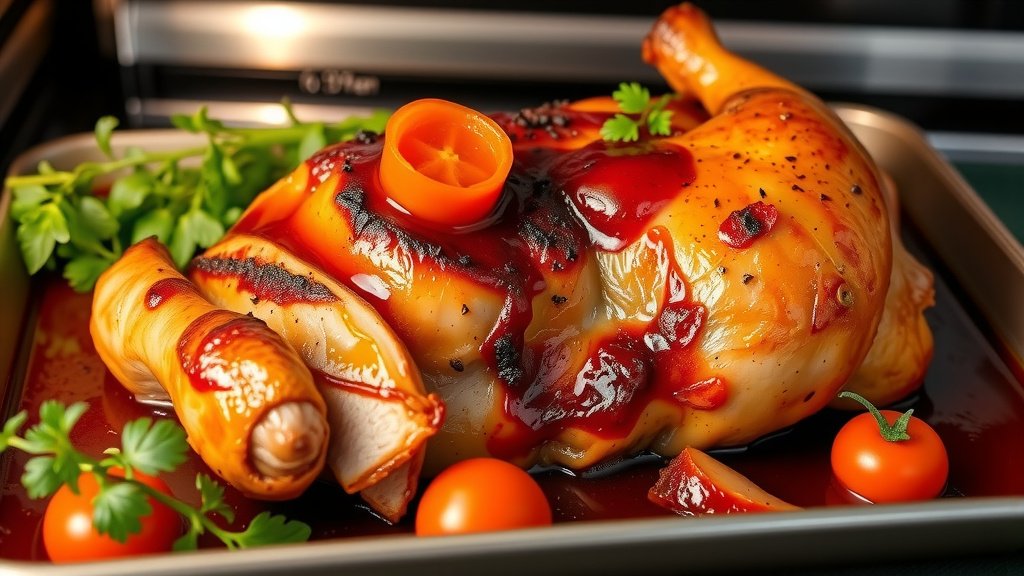
To slow roast pork in a dual fuel oven, use the electric oven compartment set to a low temperature like 275-300°F (135-150°C) for consistent, even heat, as electric ovens excel at maintaining steady low temperatures.
Prepare your chosen pork cut, such as a pork shoulder or butt, with seasoning and a roasting rack, allowing ample time for the meat to become incredibly tender and juicy over several hours.
TL;DR: Slow Roast Pork in Dual Fuel Oven
- Pick a fatty pork cut like shoulder for best results.
- Use your electric oven at a low, steady temperature (around 275-300°F).
- Season well, place on a rack, and consider covering for initial cooking.
- Roast for several hours until fork-tender; time depends on size.
- Always rest the pork after cooking for maximum juiciness.
How To Slow Roast Pork In Dual Fuel Oven?
Slow roasting pork in a dual fuel oven means you get the best of both worlds: the precise, consistent heat of an electric oven for the main cook, and the quick power of gas if you need a burst of high heat. We found that the electric oven compartment is ideal for maintaining the low, steady temperatures crucial for tender, fall-apart pork.
Understanding Your Dual Fuel Oven for Roasting
A dual fuel oven combines a gas stovetop with an electric oven. For slow roasting, the electric oven is your star player. Electric elements provide a very even heat distribution, which prevents hot spots and ensures your pork cooks uniformly. This consistency is paramount when you’re cooking something for many hours.
Why Electric for Slow Roasting?
Think of it like this: electric ovens are like a marathon runner – steady and enduring. Gas ovens, while great for searing or high-heat tasks, can have slightly more fluctuating temperatures due to the open flame. For your pork to slowly break down and become meltingly tender, you need unwavering, gentle warmth, which the electric side provides beautifully (Cleveland Clinic).
Choosing the Right Pork Cut
Not all pork cuts are created equal for slow roasting. You want something with good marbling and connective tissue that will break down into gelatin. Many experts say that pork shoulder, also known as pork butt, is the king of slow roasting cuts. A picnic roast or even a fresh ham can also work wonderfully.
Bone-In or Boneless?
Both work! A bone-in cut often adds more flavor and can help retain moisture, though it might take a little longer to cook. Boneless cuts are easier to carve once roasted. Whichever you pick, ensure it fits comfortably in your roasting pan.
Prepping Your Pork for Optimal Tenderness
Before it even sees the oven, a little preparation goes a long way. Are you ready for some truly delicious results? You can start by patting your pork dry with paper towels. This helps any rub adhere better and can contribute to a better crust.
Seasoning Secrets
Don’t be shy with your seasoning! A generous rub of salt, pepper, garlic powder, onion powder, and maybe some paprika or brown sugar works wonders. You can even rub it the night before and let it sit in the fridge uncovered. This dry brining helps draw moisture out, then reabsorb it, leading to a more flavorful and tender roast (Food Network).
Setting the Stage: Oven Temperature and Timing
This is where the “slow” in slow roast comes in. We found that a sweet spot for slow roasting pork is generally between 275°F to 300°F (135°C to 150°C). This low temperature allows the tough connective tissues in the pork to slowly melt, transforming into that luscious, tender texture you crave.
How Long Will It Take?
Expect several hours. A good rule of thumb is about 45 minutes to 1 hour per pound at 275°F. However, always cook to an internal temperature, not just time. Research often connects pork safety and tenderness to reaching an internal temperature of at least 145°F (63°C) for safe consumption, though for “fall-apart” tender, you’re aiming closer to 190-205°F (88-96°C) (USDA).
The Roasting Process in Your Electric Oven
Place your seasoned pork on a roasting rack set inside a pan. This elevates the meat, allowing air to circulate around it and preventing the bottom from getting soggy. Some people like to add a cup or two of liquid (broth, water, apple cider) to the bottom of the pan to create a moist environment. This helps keep the pork from drying out, especially during those long cooking times.
To Cover or Not To Cover?
For the first few hours, many home cooks recommend covering the roast loosely with foil. This traps steam and moisture, further contributing to tenderness. You can remove the foil for the last hour or so to allow the exterior to brown a bit. If you desire super crispy skin, uncover it for the final hour and crank up the heat to 400°F (200°C) for 15-20 minutes, or even use the gas broiler for a few minutes with careful monitoring.
Monitoring Doneness: The Thermometer is Your Friend
A reliable meat thermometer is indispensable. Insert it into the thickest part of the pork, avoiding the bone. While 145°F is safe, for pull-apart pork, you’ll want to see the temperature climb higher, often to 190-205°F (88-96°C). At this point, the meat should be incredibly tender and easily shredded with a fork.
The Golden Rule: Rest Your Pork
Once your pork reaches the desired tenderness, remove it from the oven. Do NOT slice into it immediately! Tent it loosely with foil and let it rest for at least 20-30 minutes, or even an hour for larger roasts. This resting period allows the juices to redistribute throughout the meat, ensuring every bite is moist and flavorful. Skipping this step can lead to dry pork, and nobody wants that.
Common Slow Roasting Challenges & Solutions
Sometimes things don’t go exactly as planned. But don’t worry, we’ve got you covered. Is your pork drying out? Maybe you need more liquid in the pan, or it’s cooking too fast. Not tender enough? It simply needs more time. Patience is key with slow roasting.
Here’s a quick checklist to help you ensure success:
- Choose the right cut: Pork shoulder/butt.
- Season generously: Don’t hold back on flavor.
- Use a roasting rack: Airflow is crucial.
- Maintain low, steady heat: Electric oven is perfect.
- Monitor with a thermometer: For precise doneness.
- ALWAYS rest the meat: For ultimate juiciness.
Approximate Slow Roast Pork Cooking Times
Every oven can be a little different, and meat sizes vary, but this table offers general guidelines for popular cuts when slow roasting in your dual fuel oven at 275-300°F.
| Pork Cut | Weight | Approx. Cook Time (275°F) | Target Internal Temp (for pull-apart) |
|---|---|---|---|
| Pork Shoulder/Butt | 3-4 lbs (1.4-1.8 kg) | 4-6 hours | 190-205°F (88-96°C) |
| Pork Shoulder/Butt | 5-7 lbs (2.3-3.2 kg) | 6-9 hours | 190-205°F (88-96°C) |
| Pork Shoulder/Butt | 8-10 lbs (3.6-4.5 kg) | 9-12 hours | 190-205°F (88-96°C) |
Conclusion
Slow roasting pork in a dual fuel oven opens up a world of incredibly tender, flavorful meals. By leveraging the electric oven’s stable, low heat, you create an environment where tough cuts transform into succulent perfection. Remember the key steps: choose your cut wisely, season generously, use a rack, and always allow for that essential resting period. With a little patience and a reliable meat thermometer, you’ll be pulling apart delicious pork that will impress everyone at the table.
Can I achieve crispy skin (crackling) with slow roasted pork?
Yes, you can! After slow roasting and resting, many people find success by placing the pork, uncovered, under the gas broiler for a few minutes, or in a very hot electric oven (400-450°F / 200-230°C) for 10-20 minutes. Keep a very close eye on it, as crackling can burn quickly.
What kind of roasting pan is best for slow roasting pork?
A heavy-duty, oven-safe roasting pan, ideally with a rack, is best. Cast iron, enameled cast iron, or stainless steel pans work well. The rack is important to lift the pork out of any rendered fat or added liquids, ensuring even cooking and preventing the bottom from steaming.
How do I prevent my slow roasted pork from drying out?
To prevent dry pork, choose a fatty cut like pork shoulder, ensure you don’t overcook it (monitor with a thermometer), and consider adding a cup or two of liquid to the bottom of the roasting pan. Covering the roast with foil for part of the cooking time also helps trap moisture. Most importantly, allow it to rest properly after cooking.
Can I put vegetables in the pan with the slow roasting pork?
Absolutely! Root vegetables like carrots, potatoes, onions, and parsnips are wonderful additions. They absorb the delicious drippings from the pork, becoming incredibly flavorful. Add them to the pan about 2-3 hours before the pork is done, or roast them separately and combine later if you prefer them less tender.
How should I store leftover slow roasted pork?
Store any leftover slow roasted pork in an airtight container in the refrigerator for up to 3-4 days. For longer storage, you can freeze it for up to 2-3 months. It reheats beautifully in a microwave, on the stovetop with a little broth, or in a low oven, making it great for future meals.
