
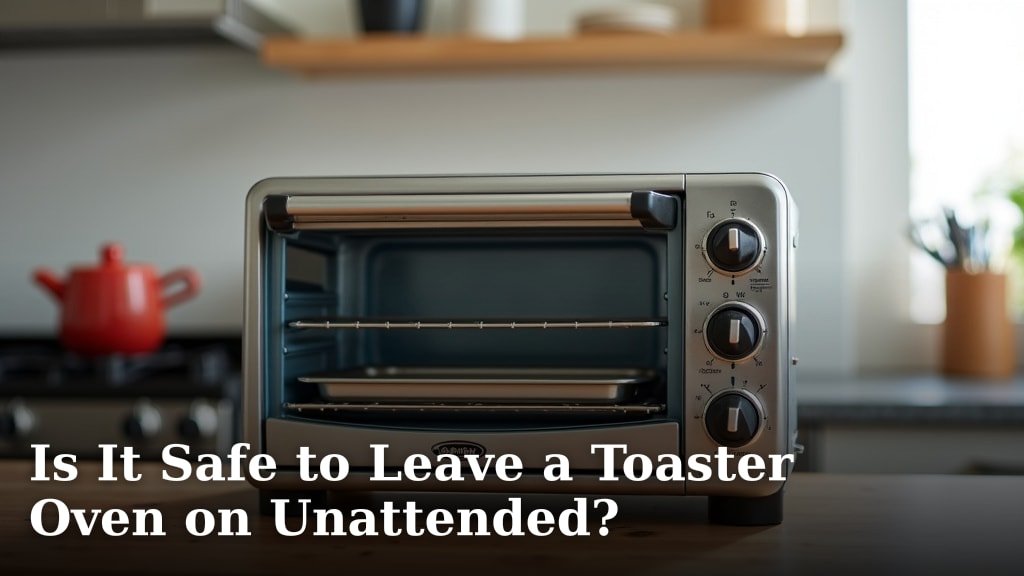
No, it is not safe to leave a toaster oven on unattended. These appliances can reach very high temperatures, creating a significant fire hazard if not monitored. Always stay in the kitchen when your toaster oven is in use.
Leaving any heating appliance unmonitored carries risks, and toaster ovens are no exception. We found that even a few minutes can be enough for things to go wrong, leading to potential overheating or electrical issues. Your safety is always the top priority.
- Toaster ovens pose a fire risk.
- Never leave them unattended.
- Food can burn quickly.
- Electrical issues are possible.
- Always stay nearby when in use.
So, what exactly makes leaving a toaster oven unattended so risky? Let’s walk through the key reasons and how you can use your appliance safely.
Understanding the Risks of Unattended Toaster Oven Use
You might be wondering, “What’s the big deal if I just step away for a minute?” We understand that thought. However, even a short absence can create a dangerous situation. Toaster ovens, despite their convenience, demand your full attention when in operation.
The primary concern is the potential for fire. These appliances generate intense heat quickly. If something goes wrong, you need to be there to react immediately. We found that most kitchen fires involving cooking equipment happen when the cooking is left unattended (National Fire Protection Association).
The Science Behind the Hazard: Why Toaster Ovens Get Hot
Let’s dive a little deeper into why these small appliances are so powerful. Toaster ovens use electric heating elements, often made of nichrome wire, to generate radiant heat. This heat quickly toasts, bakes, or broils your food.
Think of it like a miniature oven. It’s designed to reach high temperatures to cook quickly. The downside is that this same efficiency can become a hazard if not properly supervised. The internal temperature can climb very fast.
Heating Elements and Their Intensity
The heating elements glow red-hot during operation. These elements are located at the top and bottom of the cooking chamber. Their job is to transfer heat directly to your food. This direct heat is incredibly effective but also requires respect.
Because the chamber is small, the heat concentrates quickly. This is why food can go from perfectly toasted to burnt in moments. It’s a rapid heating process, not a slow simmer.
Common Scenarios Leading to Danger
It’s easy to think “it won’t happen to me.” But accidents often stem from simple oversights. Let’s look at some typical situations where risks arise.
Maybe you start your toast and then get distracted by a phone call. Or you put in a frozen pizza and decide to check the mail. These small detours can have big consequences. We’ve seen reports where even a minute away was enough for food to ignite.
Food-Related Incidents
Food is often the first culprit. Crumbs, grease, or even the food itself can ignite. If you’re not there to catch it, a small spark can turn into a serious fire.
- Burning food: Forgetfulness is common. Food can burn and smoke, filling your kitchen with fumes.
- Grease fires: If you’re heating something greasy, like bacon, a grease fire can start quickly.
- Overcooked items: Even bread can dry out and catch fire if left too long.
Electrical and Mechanical Failures
Beyond the food, the appliance itself can sometimes fail. While rare, electrical issues can occur. This is another reason why supervision is key.
Old or faulty wiring, a damaged cord, or an internal malfunction can all pose risks. These issues are often unseen until it’s too late. Your presence ensures you can unplug it or react if you see sparks or smoke.
What Can Go Wrong in Just a Few Minutes?
You might think that “unattended” means leaving for an hour. But even a quick trip to another room can be too long. The danger isn’t always about a massive explosion; it’s often about a rapid escalation of a small problem.
Imagine this: you pop in some bagels, set the timer, and step away to grab your coffee. The timer is for 3 minutes. What could happen? A lot, actually. We found that cooking equipment is the leading cause of home cooking fires and injuries (NFPA).
Rapid Combustion and Smoke Hazards
Once food catches fire, it burns quickly. The small, enclosed space of a toaster oven can become an inferno fast. Then, there’s the smoke.
Smoke inhalation is incredibly dangerous. It can fill your home before you even realize there’s a problem. A smoke detector is vital, but your presence is the first line of defense.
The Chain Reaction of a Small Fire
A small fire inside the toaster oven can easily spread. The heat can damage countertops, cabinets, or even nearby curtains. Once materials outside the oven ignite, you have a much bigger problem.
Think about what’s usually near your toaster oven. Paper towels? A bread bag? These items are highly flammable. Your kitchen can go from calm to chaos in moments if you’re not watching.
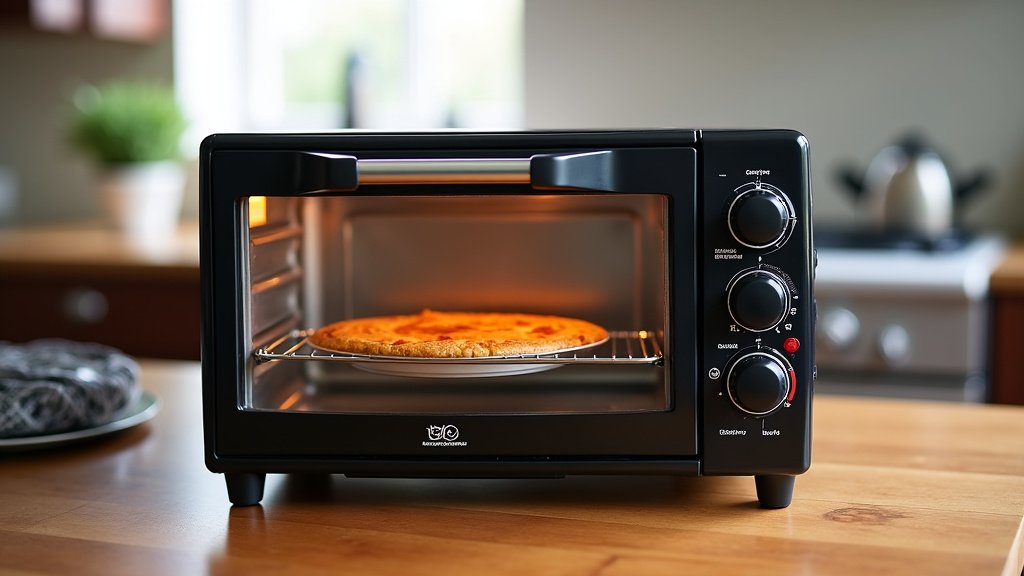
Best Practices for Safe Toaster Oven Operation
So, how can you enjoy the convenience of your toaster oven without the worry? It comes down to following some simple safety guidelines. These aren’t just suggestions; they’re essential habits.
Your safety and the safety of your home are paramount. We want you to feel confident using your appliances. Following these steps will help you prevent accidents before they start.
Always Stay Present and Vigilant
This is the golden rule. If your toaster oven is on, you should be in the kitchen or within direct sight and earshot. Don’t leave the room, even for a second.
Treat it like a stovetop burner that’s on high. You wouldn’t walk away from that, would you? The same level of caution applies here. Your immediate presence is the best fire suppression system.
The “Eyes On, Ears Open” Rule
What does “staying present” mean in practice? It means your senses are engaged. You’re watching for smoke, listening for unusual sounds, and paying attention to cooking progress.
If something smells burnt, you’re there to investigate. If you hear a strange pop, you can react. This active supervision makes all the difference.
Essential Safety Checklist for Toaster Ovens
To help you remember, we’ve put together a quick checklist. Keep these points in mind every time you use your appliance.
- Always keep the toaster oven clean inside and out.
- Place it on a heat-resistant, flat surface.
- Ensure it’s far from walls, cabinets, and curtains.
- Never use aluminum foil unless the manufacturer approves.
- Unplug it when not in use to prevent accidental activation.
- Check the cord regularly for any signs of damage.
Comparing Unattended Risks: Toaster Ovens vs. Other Appliances
It’s helpful to see where toaster ovens fit on the risk scale compared to other kitchen tools. This helps explain why vigilance is so important.
While all heating appliances carry some risk, the enclosed, high-heat nature of a toaster oven makes it particularly prone to rapid fire development if unattended. Let’s compare a few common items:
| Appliance | Primary Risk (Unattended) | Speed of Incident | Supervision Needed |
|---|---|---|---|
| Toaster Oven | Fire, grease ignition, rapid burning | Very Fast | Always stay in kitchen |
| Microwave | Overheating, specific food fires | Moderate | Stay nearby, check frequently |
| Slow Cooker | Overheating, circuit issues | Slow | Can leave unattended (with caution) |
| Electric Kettle | Boil-dry, element failure | Moderate | Stay nearby |
| Coffee Maker | Overheating, circuit issues | Slow | Can leave unattended (with caution) |
As you can see, toaster ovens are in a category that truly demands your constant presence. Their design for quick, intense heat makes them less forgiving if you step away.
Conclusion
As we’ve discussed, leaving a toaster oven unattended is never a good idea. Its intense heat and rapid cooking capabilities mean things can go wrong very quickly. You’ve learned why vigilance is key and how easily a small oversight can escalate into a dangerous situation.
Your active presence is the best safety measure. Make a conscious habit of staying in the kitchen whenever your toaster oven is operating. Prioritize your safety and the well-being of your home by always keeping an eye on your appliance.
Frequently Asked Questions
Is it okay to use my toaster oven for longer periods if I’m watching it?
Yes, you can use your toaster oven for longer cooking times, such as baking or roasting, as long as you remain present and attentive. The key is continuous supervision, not the length of time. Always follow the manufacturer’s cooking guidelines for best results.
Can I leave food warming in a toaster oven on a very low setting?
Even on a low “keep warm” setting, it’s safest to monitor your toaster oven. While the risk of fire is lower at reduced temperatures, electrical issues or unintended overheating can still occur. It’s always best to stay nearby.
What should I do if I see smoke coming from my toaster oven?
If you see smoke, immediately unplug the toaster oven from the wall. Do not open the door, as this can feed oxygen to a potential fire. If the smoke is heavy or you suspect a fire, evacuate your home and call 911.
How often should I clean my toaster oven to prevent fires?
Regular cleaning is vital. We recommend cleaning your toaster oven after every few uses, especially if you’ve cooked greasy foods or items that produce crumbs. This prevents buildup that can ignite and cause a fire hazard.
Are there any toaster ovens designed to be safer if left unattended?
No toaster oven is designed to be left unattended. While some models may have advanced features like automatic shut-off or precise temperature controls, they are still high-heat appliances. Always supervise your toaster oven during operation, regardless of its features.
