
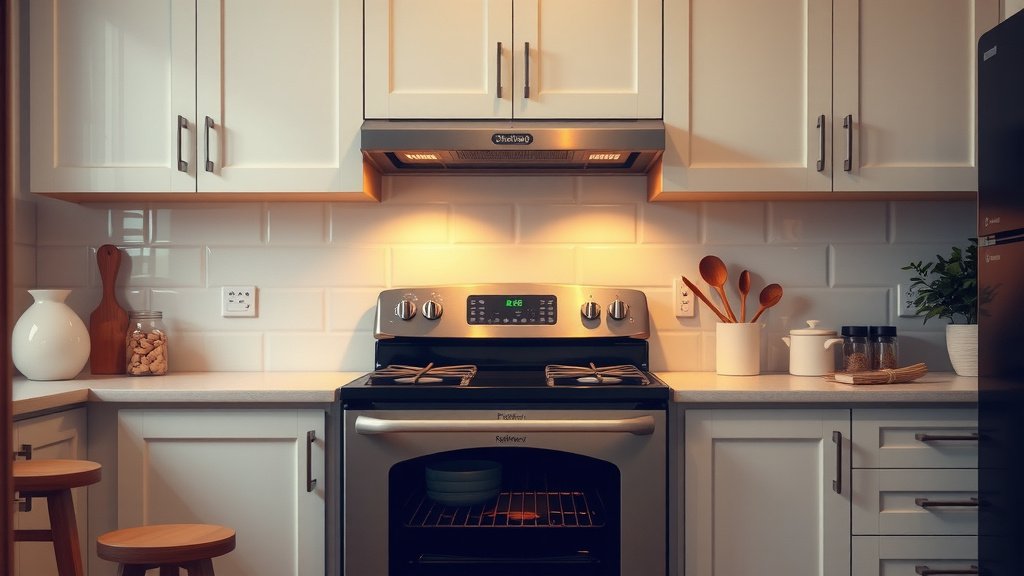
Leaving a gas oven on overnight is generally not recommended due to significant safety risks like gas leaks, carbon monoxide poisoning, and fire hazards.
While some specialized ovens have features for extended low-temperature cooking, standard gas ovens are not designed for unattended, prolonged use.
TL;DR:
- Leaving a gas oven on overnight creates serious safety risks.
- These risks include gas leaks, carbon monoxide, and potential fires.
- It also uses a lot of energy, increasing your utility bills.
- Modern ovens have timers, but even so, constant supervision is best.
- For slow cooking, consider safer alternatives like slow cookers.
Can You Leave A Gas Oven On Overnight?
No, you generally should not leave a gas oven on overnight. It poses serious safety concerns that outweigh any convenience.
The Hidden Dangers of Unattended Gas Ovens
You might think your oven is robust, but it requires supervision. Gas appliances carry inherent risks when left without attention.
Leaving them on for many hours can lead to unexpected problems. Safety should always be your top concern, right?
Understanding Gas Leaks
A gas oven relies on a steady fuel supply. A tiny leak, over hours, can fill your home with flammable gas.
This situation is extremely dangerous and can lead to explosions. Your sense of smell isn’t always reliable for small gas leaks.
The Silent Threat: Carbon Monoxide Poisoning
When gas burns, it produces carbon monoxide. A properly vented oven handles this gas well.
However, if something obstructs ventilation or a burner malfunctions, CO can build up. This gas is odorless and deadly.
Many experts emphasize that carbon monoxide detectors are critical for homes with gas appliances (NFPA).
Fire Hazards: A Real Concern
Even a clean oven can become a fire risk. Food debris can ignite at high temperatures.
A gas oven’s internal components can also wear out. This wear might cause electrical shorts or gas line issues over time.
We found that unattended cooking is a leading cause of home fires (U.S. Fire Administration).
Risk of Ignition from Flammable Items
Accidental contact with nearby flammable materials is also possible. A dishtowel or cookbook might be too close to the hot oven.
Even items left on top of the stove can catch fire. This risk increases significantly when you are asleep.
Energy Consumption and Your Wallet
Leaving an oven on all night wastes a lot of energy. Your utility bill will reflect this unnecessary use.
Gas ovens need constant fuel to maintain temperature. This consistent burn adds up over eight or more hours.
Food Safety: Is Your Dish Still Good?
You might consider leaving food in a low oven overnight. However, this is rarely a good idea for food safety.
Many foods enter the “danger zone” for bacterial growth. This zone is between 40°F and 140°F (USDA).
Keeping food at low, unstable temperatures for hours risks spoilage. No one wants to wake up to unsafe, spoiled food.
When is Long-Term Oven Use Acceptable?
Some recipes call for very long cooking times. This often involves specialized equipment, not standard gas ovens.
For example, some proofing boxes for bread use very low heat. These are usually not your main kitchen oven.
Never assume your standard oven is safe for unattended, extended use without explicit manufacturer instructions.
Safer Alternatives for Slow Cooking
Want to cook something slowly? Many safer options exist. Think about what works best for your needs.
- Slow cookers or Crock-Pots are designed for unattended, long cooking times.
- Electric roasters offer consistent low heat and can be safer than gas ovens.
- Some modern electric ovens have precise low-temp settings with safety features.
Modern Oven Features: A Closer Look
Many newer ovens have safety features. Some include automatic shut-off timers.
However, even these features aren’t perfect. They are designed for convenience, not to replace your supervision.
Always consult your oven’s manual. It will detail its specific capabilities and safety advice.
Are All Ovens the Same for Overnight Use?
Absolutely not. There are big differences between oven types.
A gas oven has unique risks compared to an electric model. Knowing these differences is vital for your safety.
| Oven Type | Overnight Use Recommendation | Primary Concerns |
|---|---|---|
| Gas Oven | Not Recommended | Gas leaks, carbon monoxide, open flame risk |
| Electric Oven | Generally Not Recommended | Fire risk (electrical malfunction), energy waste |
| Slow Cooker | Designed for Overnight Use | Minimal (electrical safety, correct use) |
| Convection Oven (Gas/Electric) | Not Recommended | Similar risks to standard gas/electric, fan adds minor mechanical risk |
Pre-Oven Checks: Before You Cook
Before any significant cooking, a quick check can save trouble. This applies even if you’re not planning overnight use.
Think of it like a mini safety routine. It only takes a moment.
Your Overnight Oven Safety Checklist:
- Is the oven door fully closed?
- Are there any flammable items near or on the oven?
- Have you cleaned up any significant food spills inside?
- Is your carbon monoxide detector working and tested?
- Do you have a working smoke detector nearby?
- Are you planning to be awake and supervising the oven?
Importance of Regular Oven Maintenance
A well-maintained oven is a safer oven. Regular cleaning prevents grease buildup that can cause fires.
Having a professional check your gas lines and burners is also smart. They can spot issues before they become hazards.
We found that proper appliance maintenance reduces safety risks (Consumer Product Safety Commission).
Your Home, Your Safety System
Beyond the oven itself, your home safety systems are key. Carbon monoxide detectors and smoke alarms are your first line of defense.
Make sure they are installed correctly and tested monthly. Replace batteries regularly, and replace the units as recommended by the manufacturer.
Think of these devices as your always-on guardians. They alert you to dangers you might not otherwise notice.
Conclusion
Leaving a gas oven on overnight presents too many risks to be a wise choice. From gas leaks and carbon monoxide to fire hazards and wasted energy, the potential downsides are serious.
Prioritize your safety and the safety of your home. Use your gas oven for supervised cooking only. For dishes requiring long, slow heat, explore the many safer alternatives available.
Your peace of mind is worth more than a slow-cooked meal. Stay safe and smart in your kitchen.
Frequently Asked Questions About Gas Ovens and Overnight Use
What are the immediate dangers of leaving a gas oven on overnight?
The immediate dangers include a high risk of gas leaks, which can lead to explosions, and the silent threat of carbon monoxide poisoning from incomplete combustion. These are both life-threatening situations.
Can a low oven temperature still cause a fire overnight?
Yes, even a low oven temperature can cause a fire overnight. Accumulated food debris or grease can ignite, and electrical components can malfunction, potentially sparking a fire even when set to a minimal heat.
Are gas ovens equipped with automatic shut-off features for prolonged use?
Most standard gas ovens do not have automatic shut-off features designed for prolonged, unattended use. While some newer models might have timer functions, these are typically for cooking durations, not for overnight safety against gas leaks or component failure.
Is it safe to leave food in a warm gas oven overnight for keeping warm?
No, it is not safe to leave food in a warm gas oven overnight for keeping warm. Temperatures below 140°F (60°C) for extended periods allow bacteria to multiply rapidly, making the food unsafe to eat (USDA).
What should I do if I accidentally leave my gas oven on overnight?
If you realize you left your gas oven on overnight, immediately turn it off. Check for any gas odor. If you smell gas, open windows, evacuate your home, and call your gas company or emergency services from a safe distance. Do not use light switches or appliances.
