
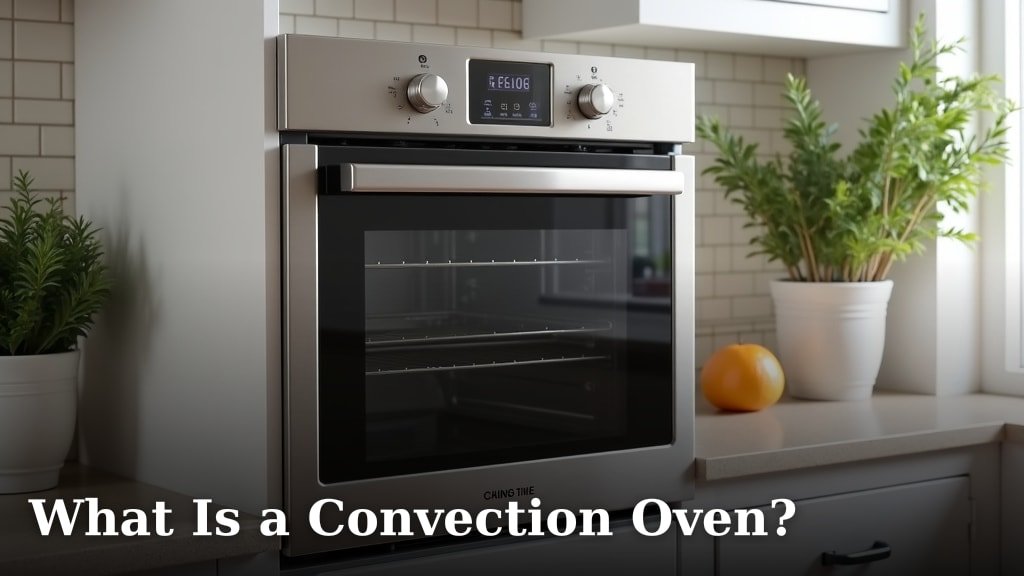
A convection oven is a type of oven that uses a fan to circulate hot air around your food. This creates a more even and efficient cooking environment compared to traditional ovens. Think of it like a tiny, hot tornado for your lasagna.
You know how some parts of your cookies might burn while others are still doughy? A convection oven aims to fix that. By moving the hot air around, it helps food cook more consistently and often faster. This means no more rotating pans halfway through baking!
- Convection ovens use a fan to move hot air.
- They cook food more evenly and often quicker.
- They can help brown foods beautifully.
- You might need to adjust cooking times or temperatures.
- They are great for baking, roasting, and dehydrating.
Ready to understand what makes these ovens tick and if one is right for your kitchen? Let’s dive into all things convection.
Understanding Convection Oven Technology
A convection oven uses a simple yet powerful design. It adds a fan and an exhaust system to a standard oven. This fan moves hot air around the oven cavity constantly.
This air movement creates a more uniform temperature. It also stops “cold spots” that often appear in conventional ovens. This is key to more consistent cooking.
How Convection Ovens Are Different
Let’s compare this to a traditional, or “thermal,” oven. A traditional oven cooks food using radiant heat. The heating elements at the top or bottom warm the air.
This hot air naturally rises. It creates areas of hotter and cooler air. This can lead to uneven cooking, where one side of a dish might brown faster than the other.
The Role of the Fan and Exhaust
The fan in a convection oven does two main things. First, it circulates the hot air. This ensures that every surface of your food gets exposed to the same temperature.
Second, the exhaust system helps remove moisture. This can be very useful for achieving crispy textures. It often makes roasted foods taste even better.
The Benefits of Cooking with Convection
Convection cooking brings several advantages to your kitchen. You’ll likely notice the difference right away. Many home cooks report better results with less effort.
Faster Cooking Times
Because the hot air moves around, heat transfers more efficiently. This means your food cooks quicker. You might find yourself shaving 10-20% off typical cook times.
Always keep an eye on your food when you’re first learning your convection oven. Adjusting cooking times takes a little practice. We recommend starting with a shorter time and checking doneness.
More Even Cooking
Have you ever had a batch of cookies where some were perfect and others were undercooked? Convection helps prevent this. The constant air movement means all parts of the food receive equal heat exposure.
This is especially helpful for larger dishes or when you fill the oven with multiple trays. No more rotating pans halfway through, as the active air circulation handles that for you.
Superior Browning and Crisping
The moving hot air also helps with the Maillard reaction. This is the chemical reaction that gives foods a delicious brown crust. Think of beautifully roasted vegetables or a perfectly browned chicken.
Removing moisture through the exhaust also helps create crispy textures. This is why convection ovens are great for things like wings, roasted potatoes, and certain baked goods.
Energy Efficiency
Since food cooks faster and at potentially lower temperatures, convection ovens can be more energy-efficient. You’re using the oven for less time overall. This can mean savings on your energy bill over time.
Potential Downsides and Considerations
While convection ovens offer many perks, they might not be perfect for every dish. There are a few things to keep in mind. You might need to adjust your cooking habits slightly.
Temperature and Time Adjustments
As we mentioned, food cooks faster. You’ll often need to lower the temperature by about 25°F (15°C). You’ll also need to reduce the cooking time.
For example, if a recipe calls for 350°F for an hour in a conventional oven, you might try 325°F for 45-50 minutes in a convection oven. Over time, you’ll get a feel for these adjustments.
Not Ideal for All Foods
The fan can sometimes dry out delicate foods. Things like custards, soufflés, and some quick breads might not perform their best in a convection setting. The fan can affect their rise or texture.
We often find that foods needing a moist environment do better in a conventional oven. Or, you can use a mixed setting if your oven has one, usually called “convection bake” or “convection roast.”
The Cost Factor
Convection ovens typically cost more than standard models. This is due to the added components like the fan and exhaust system. Consider your budget and cooking needs when making a choice.
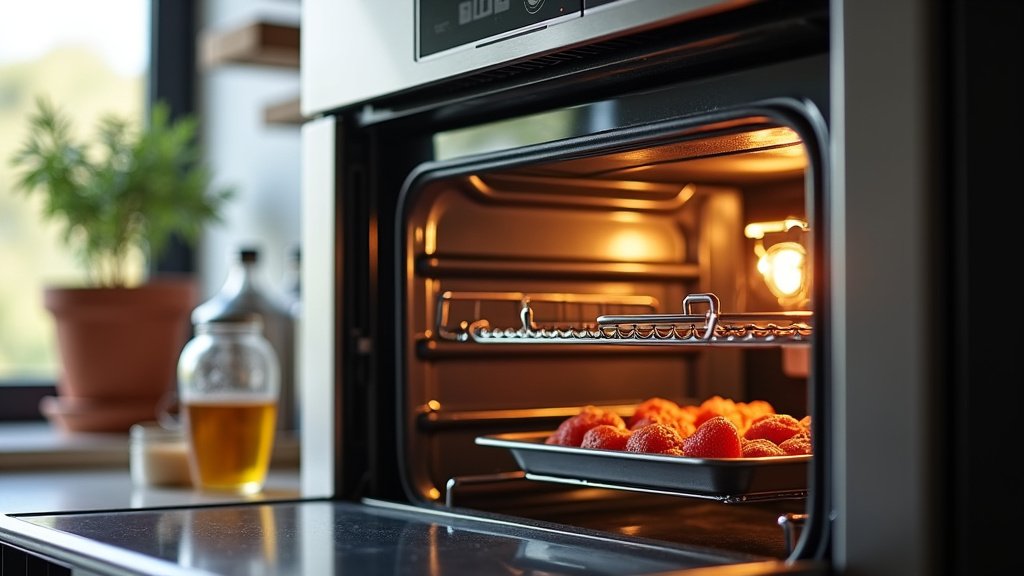
Convection Oven Features and Types
When you’re looking at convection ovens, you’ll notice different features. They come in various setups. Knowing the types can help you decide what’s best for your home.
True Convection vs. Standard Convection
You might hear terms like “true convection” or “European convection.” What do they mean? Regular convection ovens have a fan in the back that circulates air.
True convection ovens add a third heating element around the fan. This ensures that the air being circulated is already heated. It can lead to even more consistent temperatures.
Single vs. Double Ovens
Convection ovens come as single units or part of a double oven setup. Double ovens are great if you cook large meals or multiple dishes at once. Many double ovens feature one convection and one conventional cavity.
You can also find convection features in many microwave-oven combos. These combine a microwave’s speed with a convection oven’s browning abilities.
Is a Convection Oven Right For You?
Thinking about upgrading? A convection oven can totally change your cooking experience. Consider what you cook most often. Do you roast a lot of veggies or bake many batches of cookies?
We’ve found that for everyday meals, a convection oven is incredibly useful. It makes cooking feel less like a chore and more like a joy. Your pot roast will thank you.
Who Benefits Most from Convection?
You’ll likely love a convection oven if you:
- Regularly roast meats or vegetables.
- Bake multiple trays of cookies or pastries.
- Want to achieve crispy crusts on foods.
- Need faster cooking times for busy evenings.
- Desire more even browning for all your dishes.
Comparing Oven Types
To help you decide, here’s a quick look at how convection stacks up against conventional:
| Feature | Conventional Oven | Convection Oven |
|---|---|---|
| Heating Method | Radiant heat only | Radiant heat + fan-circulated hot air |
| Cooking Speed | Slower | Faster (10-20% less time) |
| Evenness of Cook | Prone to hot/cold spots | Very even, consistent results |
| Browning/Crisping | Good, but can be uneven | Excellent, consistent browning |
| Energy Use | Moderate | Potentially more efficient |
| Moisture Retention | Higher moisture environment | Drier environment, can dry some foods |
| Adjustments Needed | Rarely (follow recipe) | Often need temp/time adjustments |
This table helps highlight the main differences. You can see why certain recipes might do better in one oven type over another. But for many dishes, convection wins out.
Conclusion
You’ve now got a clear understanding of what a convection oven is and how it can transform your kitchen. It brings faster, more even cooking and superior browning to many dishes. While you might adjust temperatures and times, the benefits often outweigh these minor changes. Consider what you cook most often and if these advantages align with your needs. You’re now equipped to make an informed decision about whether a convection oven belongs in your home.
Frequently Asked Questions
Do I need special bakeware for a convection oven?
No, you generally don’t need special bakeware. Your existing metal baking sheets, roasting pans, and casserole dishes work great. Avoid using pans with high sides, as they can block air circulation.
Can I bake cakes and bread in a convection oven?
Yes, you can absolutely bake cakes and bread. You’ll likely get a more even rise and beautiful crust. Just remember to reduce the temperature by about 25°F and shorten the cooking time slightly.
What’s the best way to clean a convection oven?
Cleaning a convection oven is similar to a conventional one. Most come with self-cleaning features. For daily spills, use warm, soapy water and a soft cloth to wipe down the interior.
Do all convection ovens turn off the fan when the door opens?
Most modern convection ovens are designed to automatically pause the fan when you open the oven door. This helps prevent hot air from blowing into your face. The fan resumes when the door is closed.
Is it okay to use aluminum foil in a convection oven?
Yes, you can use aluminum foil in a convection oven just as you would in a regular oven. It’s safe for lining pans or covering dishes. It won’t interfere with the fan’s operation in any way.
