

A self-cleaning oven uses high heat to burn away food residue and grime. This clever feature turns burnt-on spills into a fine ash. You can then simply wipe away the ash with a damp cloth.
You might be wondering how this magic happens. Instead of harsh chemicals, the oven employs extreme temperatures, typically between 800-1000°F. This process, called pyrolytic cleaning, saves you time and effort scrubbing. It’s a convenient way to maintain a clean oven without heavy-duty cleaners.
- Self-cleaning ovens use extreme heat.
- Heat turns food residue into ash.
- Simply wipe away the ash when cool.
- No harsh chemicals are needed for cleaning.
- It saves you from scrubbing.
Let’s dive into all the details and explore how self-cleaning ovens work and what you should know about them.
How Self-Cleaning Ovens Work Their Magic
You’ve heard the term “self-cleaning oven,” but how does it actually pull off this neat trick? It’s all about heat. Think of it like a mini-furnace right in your kitchen. Instead of scrubbing with chemicals, your oven uses extreme temperatures to tackle the mess. This process is known as pyrolytic self-cleaning.
When you start a self-clean cycle, your oven locks its door for safety. Then, it begins to heat up. We found that temperatures typically climb to between 800 and 1,000 degrees Fahrenheit. This intense heat does something amazing: it incinerates food spills and grease. Anything stuck to the oven walls, racks, or floor is reduced to a fine, powdery ash.
Once the cycle finishes and the oven cools down, you’ll simply find a small pile of ash. A quick wipe with a damp cloth is all it takes to clean it up. No harsh fumes, no endless scrubbing, and no sore arms. It really does make oven cleaning easier.
The Science Behind Pyrolysis
Pyrolysis is a scientific term. It refers to the decomposition of organic material at elevated temperatures in the absence of oxygen. In simpler terms, it’s about breaking down stuff using heat alone. For your oven, this means taking those baked-on bits of lasagna or spilled pie filling and turning them into something inert and easy to remove.
The high heat breaks down the chemical bonds in food residue. This transforms it from a sticky, baked-on mess into carbon-based ash. It’s a very efficient way to clean without needing elbow grease or chemical cleaners. Many experts point to this method as a safer alternative to caustic oven cleaners (Environmental Protection Agency).
Preparing Your Oven for a Self-Clean Cycle
While the self-cleaning feature is super convenient, it’s not entirely hands-off. There are a few important steps you should take before starting the cycle. These steps ensure both safety and effectiveness.
First, remove everything from inside your oven. This includes oven racks, broiler pans, and any aluminum foil. Regular oven racks are often not designed to withstand the extreme temperatures of a self-clean cycle. They can warp or discolor. Check your oven’s manual; some newer ovens might have self-clean-safe racks.
Next, wipe out any large, loose food particles. Think of big crumbs or chunks of food. If these are left inside, they could create a lot of smoke during the cleaning process. A quick sweep with a damp paper towel can make a big difference. This also helps to reduce odors.
Finally, open a window and turn on your kitchen fan. Even though the process is designed to be clean, some smoke and odor can still be produced. This is especially true if your oven is very dirty. Good ventilation helps to keep your kitchen air fresh during the cycle.
What Not to Do During Self-Clean
It’s important to never use chemical oven cleaners before or after a self-clean cycle. The high heat can react with leftover chemicals, producing dangerous fumes. Stick to wiping out the ash with just water.
Also, don’t try to open the oven door during the cycle. It locks automatically for a reason. The temperatures inside are extremely high and can cause severe burns. Wait until the oven has completely cooled down before attempting to open the door.
Potential Downsides and Considerations
Self-cleaning ovens are fantastic, but it’s important to be aware of a few potential drawbacks. Knowing these helps you use the feature wisely and keep your appliance running well.
One common concern is the amount of smoke and odor. Even with ventilation, a very dirty oven can produce a noticeable smell. This is normal, but it might be unpleasant for some. It’s a good idea to run the cycle when you can air out your home, maybe even when you plan to be out for a few hours.
Another point to consider is the energy consumption. Running at such high temperatures requires a significant amount of electricity. If you’re conscious about your energy bill, you might want to limit how often you use the self-clean cycle. Many people use it only a few times a year, or when spills accumulate.
We also found that the extreme heat can sometimes put stress on oven components. While ovens are designed to handle these temperatures, prolonged or very frequent use could potentially shorten the lifespan of certain parts, such as heating elements or electronic controls. This is not common, but it’s something to keep in mind.
Tips for Maximizing Self-Cleaning Oven Performance
Want to get the most out of your self-cleaning oven? Here are some straightforward tips to make the process smoother and more effective for you.
- Clean Spills Promptly: Don’t wait for a huge mess. Wiping up small spills as they happen (once the oven is cool) can reduce the amount of residue that needs to be incinerated.
- Run Cycle When Home: While the oven is locked, it’s best to be home during the cycle. This allows you to monitor for excessive smoke or unusual smells, even though the process is generally safe.
- Ventilate Well: Always open windows and use your range hood fan. Good airflow helps dissipate any odors or smoke quickly.
- Remove Racks: Remember to take out standard oven racks. They aren’t usually designed for the intense heat and can be damaged.
- Wipe Up Large Debris: A quick manual wipe-down before starting the cycle helps minimize smoke and makes the self-clean more efficient.
- Allow Full Cool-Down: Never force the door open. Let the oven cool completely. The door will unlock automatically when it’s safe.
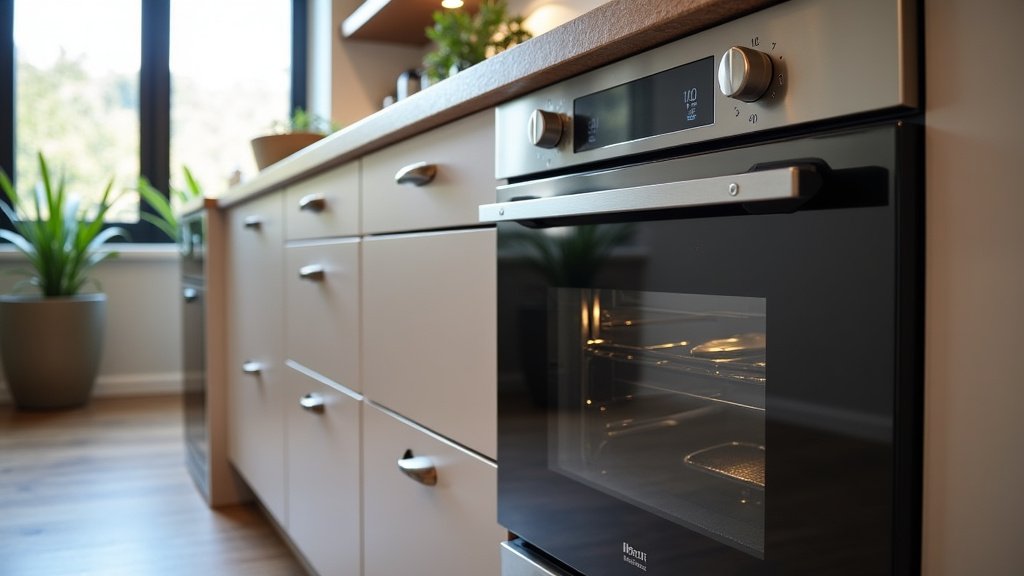
Self-Cleaning vs. Steam Cleaning Ovens
You might have heard of steam cleaning ovens as well. What’s the difference? While both aim to make cleaning easier, they use very different methods and are suited for different types of messes.
| Feature | Self-Cleaning (Pyrolytic) | Steam Cleaning |
|---|---|---|
| Method | Extreme high heat (800-1000°F) to burn off grime. | Low heat with water to create steam (200-250°F). |
| Effectiveness | Excellent for heavily baked-on, stubborn grease and spills. | Good for light soils and fresh spills. Not for heavy grime. |
| Duration | Typically 2-5 hours, plus cool-down time. | Usually 30-60 minutes. |
| Energy Use | High due to extreme temperatures. | Lower, as it uses less heat. |
| Odor/Smoke | Can produce significant smoke/odor, especially if very dirty. | Minimal to no smoke or odor. |
| Cleanup | Wipe away fine ash. | Wipe away softened residue and moisture. Some scrubbing may be needed. |
| Racks | Must be removed (unless specified by manufacturer). | Can typically stay in the oven. |
As you can see, pyrolytic self-cleaning is for serious messes. It’s like bringing in the heavy artillery. Steam cleaning, on the other hand, is a gentler approach. It’s perfect for a quick refresh or for cleaning up minor splashes. If you often have light spills, a steam clean feature might be a great addition, but it won’t replace the deep clean of a pyrolytic cycle.
Safety Considerations for Self-Cleaning Cycles
Safety is always paramount when using powerful appliances. Self-cleaning ovens have built-in safety features, but your awareness is key. The oven door locks automatically during the cycle. This prevents accidental opening and exposure to dangerous temperatures. We found that this lock remains engaged until the oven has cooled down to a safe temperature.
You should also avoid using aluminum foil on the oven floor during regular cooking. If foil gets caught in a self-clean cycle, it can melt and fuse to the oven surface, causing permanent damage. Always consult your oven’s user manual for specific recommendations. Following these simple guidelines ensures a safe and effective cleaning process for your home.
Conclusion
You now understand the ingenious simplicity of a self-cleaning oven. It uses extreme heat, not harsh chemicals, to turn baked-on grime into easily wiped-away ash. While incredibly convenient, remember the importance of proper preparation and ventilation.
We found that using this feature wisely ensures both a clean oven and a safe home. You can keep your kitchen appliance in top shape for years to come. Now, confidently tackle those tough cooking messes knowing your oven has a powerful solution ready.
Frequently Asked Questions
How often should I use the self-cleaning feature?
The frequency depends on your cooking habits. For average use, running the self-clean cycle 2-4 times a year is usually sufficient. Heavy cooks might need it more often. We recommend cleaning it when you notice significant baked-on grime.
Can I stay home during the self-clean cycle?
Yes, you can stay home. The oven door locks for safety. However, some smoke and odor can occur, especially if your oven is very dirty. Ensure good ventilation by opening windows and using your kitchen fan. You might prefer to be out during the cycle if you are sensitive to odors.
Is it normal for a self-cleaning oven to smell or smoke?
It is normal for some smell and smoke to be present, especially the first few times or if the oven is particularly dirty. The smoke comes from the burning food residue. Good ventilation is key to minimizing this. If smoke or odor is excessive, ensure all large food particles were removed first.
Why are my oven racks not meant for self-cleaning?
Most standard oven racks are made from chrome-plated steel. The extreme temperatures of a self-clean cycle (800-1000°F) can cause them to warp, discolor, or damage their finish. Always remove them unless your oven’s manual specifically states they are self-clean safe. Some manufacturers offer specialty racks designed for high heat.
What should I do if my self-cleaning oven stops working?
If your self-cleaning cycle stops working, first check your oven’s manual for troubleshooting steps. Ensure the door latches properly. If the issue persists, contact a qualified appliance technician. Do not attempt to repair electrical components yourself, as this can be dangerous.
