
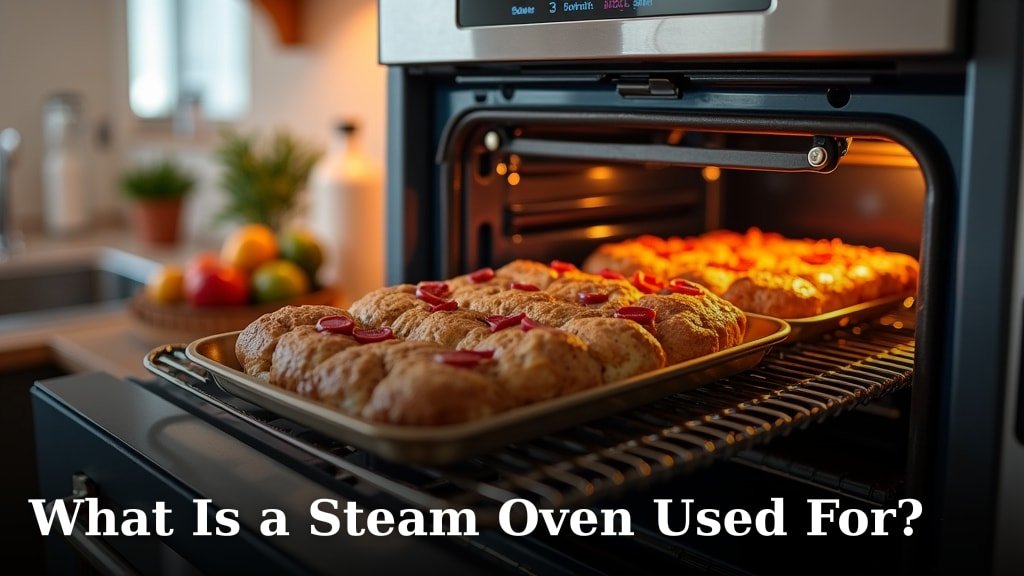
A steam oven is a versatile kitchen appliance that uses steam to cook food. It can roast, bake, proof dough, and reheat leftovers, often producing moister and more flavorful results than traditional ovens. Many find it helps achieve a crispier exterior while keeping the inside tender.
Unlike a regular oven, a steam oven adds moisture to the cooking environment. This makes it fantastic for delicate items like fish and vegetables. It’s also great for baking bread, giving you that perfect crust. We found that it excels at reheating food, avoiding the dried-out textures you sometimes get from a microwave.
- Steam ovens use moisture to cook food better.
- They can bake, roast, steam, and reheat.
- Foods cooked in them are often moister and tastier.
- Get a crispy crust and tender inside with steam.
Let’s dive into what a steam oven can do for your kitchen and your cooking. We’ll cover all the ways you can use this amazing appliance.
Unlocking Your Culinary Potential with a Steam Oven
So, you’re curious about what makes a steam oven different from your trusty old oven. Think of it as a kitchen superhero with a secret weapon: moisture. This appliance uses pure steam, or a combination of steam and convection heat, to cook your food. We’ve found this makes a huge difference in taste and texture.
Unlike a regular oven that relies on dry heat, a steam oven infuses your food with gentle, consistent moisture. This means your meals won’t dry out. You’ll enjoy food that’s incredibly tender and flavorful. Many users report that it’s like getting restaurant-quality results right in their own homes.
The Marvels of Moist Heat Cooking
The core magic of a steam oven lies in its ability to cook with steam. This isn’t just about boiling water; it’s about creating a perfectly controlled, humid environment. This method cooks food gently, preserving its natural juices and nutrients. We found that this is especially true for delicate ingredients.
Preserving Nutrients and Flavor
When you cook vegetables in a traditional oven or boil them, some nutrients can escape into the air or water. Steam cooking locks those nutrients in. Research indicates that steaming can preserve more vitamins than other cooking methods (National Institutes of Health). Your broccoli will taste like broccoli, not a sad, waterlogged version of itself. You’ll notice the vibrant colors remain, too.
Achieving Unbeatable Texture
For meats, steam cooking helps keep them wonderfully moist. Imagine a roast chicken with juicy meat all the way through, not dry and stringy. Steam ovens are also fantastic for fish. That delicate flake and moist interior are preserved perfectly. We found that even lean cuts of meat benefit greatly from this method. It helps to avoid that dreaded dry texture.
Beyond Steaming: Versatile Cooking Functions
While steaming is its superpower, a steam oven is far more than a one-trick pony. Many models offer convection baking, roasting, and even combination modes. This means you can do almost anything you do in a regular oven, but often with better results. It truly broadens your cooking horizons.
Baking with a Crispy Finish
Love baking bread? A steam oven can give you that perfect crust. When you introduce steam at the beginning of the baking cycle, it keeps the dough surface moist. This allows the bread to expand fully before the crust sets. Once the steam is released, the dry heat can then crisp up the crust beautifully. Many bakers swear by this method for artisan loaves. You’ll get that satisfying crackle when you slice into it. We found that pastries also benefit, often coming out flakier.
Roasting with Enhanced Moisture
Roasting vegetables or meats in a steam oven adds a new dimension. The steam helps to tenderize the food while the convection heat crisps the exterior. Think of roasted potatoes that are fluffy inside and wonderfully golden outside. Or a roast beef that’s perfectly cooked with a moist, flavorful interior. It’s a beautiful balance. This combination mode is particularly effective. It harnesses the best of both worlds.
Proofing Dough to Perfection
If you’re a baker, you know that proofing dough requires a warm, humid environment. A steam oven can provide this with ease. You can set a specific temperature and humidity level. This helps your bread dough rise beautifully. It’s much more reliable than leaving it on the counter. We found this feature particularly helpful during cooler months. It ensures consistent results every time.
Reheating Like Never Before
We’ve all been there: reheating leftovers in the microwave, only to end up with rubbery chicken or dry pizza. A steam oven can change that. Using the steam function, you can gently reheat food. It brings back moisture and freshness without overcooking. Pizza slices regain their crisp crust, and roasted vegetables taste almost like they were just made. This is a game-changer for anyone who eats a lot of leftovers. It’s like magic for your fridge finds.
A Comparison: Steam Oven vs. Traditional Oven
To really understand the benefits, let’s look at how they stack up. While a traditional oven is a workhorse, a steam oven offers specialized advantages. It’s not about replacing your current oven entirely, but rather adding a powerful new tool to your kitchen arsenal.
| Feature | Traditional Oven | Steam Oven |
|---|---|---|
| Primary Cooking Method | Dry heat (convection or radiant) | Steam, convection, or combination |
| Moisture Control | Low; can dry out food | High; keeps food moist |
| Best For | General baking, roasting, broiling | Delicate foods, bread, reheating, healthier cooking |
| Texture Results | Crispy exteriors, can be dry insides | Moist interiors, tender meats, crispy crusts (when combined) |
| Nutrient Retention | Can be lower due to dry heat | Generally higher, especially for vegetables |
Making the Most of Your Steam Oven: Quick Tips
Ready to put your steam oven to work? Here are a few easy ways to start experiencing its benefits. You don’t need to be a gourmet chef to get amazing results.
- Roast vegetables with a little olive oil and seasoning.
- Steam fish fillets for a quick and healthy meal.
- Bake bread using the steam-assist function.
- Reheat leftovers like pasta or roasted meats.
- Proof your pizza dough before baking.
- Steam dumplings for a light and fluffy texture.
You might be surprised at how often you reach for this appliance. It simplifies many cooking tasks. Plus, the health benefits of cooking with less added fat are a nice bonus. Many studies suggest that cooking with steam can reduce the need for oils and butter (Cleveland Clinic). This can contribute to a healthier diet over time.
Conclusion
You’ve seen how a steam oven can truly transform your kitchen experience. It’s not just about adding moisture; it’s about enhancing flavors, preserving nutrients, and achieving perfect textures, from crispy bread crusts to tender roasts. We found that its versatility extends to baking, roasting, and even reviving leftovers. Think of it as your new kitchen assistant for healthier, more delicious meals. Ready to give it a try? Start with simple steamed vegetables or fish to see the difference moisture cooking makes.
Frequently Asked Questions
Can I use a steam oven instead of my regular oven?
Yes, many steam ovens offer combination modes that allow for traditional baking and roasting. While it won’t replace every function of a conventional oven, it can handle a wide variety of cooking tasks, often with superior results.
Are steam ovens difficult to clean?
Cleaning methods vary by model, but most are designed for user-friendliness. Regular wiping after use is usually sufficient. Some models have self-cleaning cycles, and you can often use a simple vinegar and water solution for deeper cleaning.
Will a steam oven help me cook healthier meals?
Absolutely. Steaming helps retain more nutrients than boiling or high-heat roasting. You’ll often find you need less added fat, like oil or butter, because the steam keeps food moist and flavorful.
Is a steam oven good for baking bread?
Yes, it’s excellent for bread baking. The initial burst of steam allows the dough to rise fully, creating a perfectly airy interior. Once the steam is released, the dry heat then creates a wonderfully crisp crust.
How does a steam oven reheat food differently from a microwave?
A steam oven reheats food gently using moisture, bringing back its original texture and preventing it from becoming dry or rubbery. A microwave uses radiation, which can often lead to uneven heating and a less appealing texture.
