
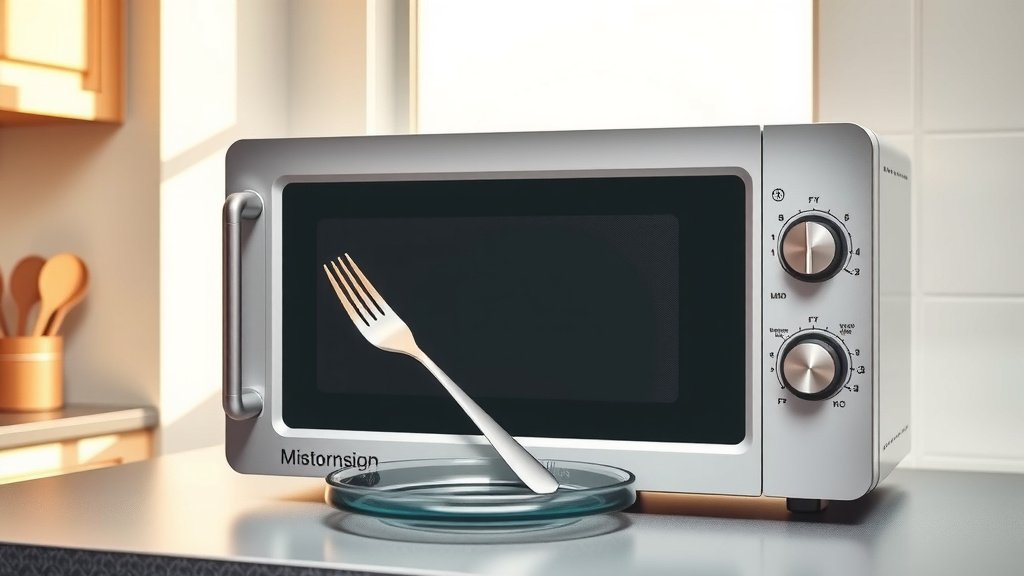
You should never put metal, sealed containers, whole eggs, or certain fruits and vegetables in a microwave oven, as these items can cause fires, explosions, or release harmful substances.
Always ensure that any dish or food item you place inside your microwave is explicitly labeled as microwave-safe to prevent serious accidents.
TL;DR: Here’s a quick rundown of what to keep out of your microwave for safety:
- Metal, aluminum foil, and anything with metallic trim can cause sparks and fire.
- Sealed containers, whole eggs, or grapes can build pressure and explode.
- Certain plastics, Styrofoam, and brown paper bags might melt or release harmful chemicals.
- Some foods, like hot peppers and processed meats, can become dangerous or lose quality when microwaved.
- Always use only microwave-safe dishes and follow appliance guidelines for your protection.
What Should You Never Put In A Microwave Oven?
Knowing what should you never put in a microwave oven is crucial for your safety and to keep your appliance in good working order. Certain items can cause sparks, fires, or even explosions inside your kitchen.
The Danger of Metal and Foil
Imagine tiny lightning bolts flashing inside your microwave. That’s often what happens when you put metal in there. Metal items, including aluminum foil, reflect the microwaves, causing an electrical current buildup and creating intense sparks that can lead to a fire (NIH).
Why Silverware and Aluminum Foil are a No-Go
Even small pieces of metal, like a forgotten fork or a bit of aluminum foil on leftover food, can be problematic. We found that these items can damage your microwave’s magnetron, the component that generates the microwaves, leading to expensive repairs or even permanent damage.
Sealed Containers: A Risky Business
Think of a sealed container in a microwave like a ticking time bomb. As food heats up, it creates steam, and that steam builds pressure. If there’s no way for the steam to escape, the container can rupture violently, spraying hot food and broken pieces everywhere.
Explosions Waiting to Happen
Whole eggs are a classic example of this danger. The rapid heating inside the shell causes steam to accumulate, leading to an almost guaranteed explosion. Even plastic takeout containers with tight-fitting lids or certain baby bottles can be risky if not vented properly, so always check for an open vent (Mayo Clinic).
Not All Plastics Are Microwave-Friendly
While many plastics are designed for microwave use, others are certainly not. Heating non-microwave-safe plastics can cause them to melt, distort, or, worse, release potentially harmful chemicals into your food. Look for the “microwave-safe” label on the bottom of your containers.
Harmful Toxins from Unsafe Plastics
Styrofoam, for example, is a common culprit. It can melt quickly and leach chemicals into your meal. Similarly, plastic storage bags, yogurt cups, or butter tubs are generally not meant for heating. These items may not be designed to withstand high temperatures and could contaminate your meal (Cleveland Clinic).
Paper Bags and Newspapers
Brown paper bags, like those from the grocery store, can easily catch fire in the microwave. They are not designed to withstand the heat and can ignite. Newspaper, with its inks and recycled fibers, can also be a fire hazard and may release unpleasant fumes when heated.
Foods That Don’t Belong in the Microwave
It’s not just about the containers; some foods themselves are better left out of the microwave. Certain foods can become dangerous, unpleasant, or simply not heat well, impacting your meal’s quality and your safety.
Hot Peppers: A Fiery Surprise
Microwaving hot peppers, like jalapeños or habaneros, can release capsaicin, the chemical that makes them spicy, into the air. Opening the microwave door can expose you to a blinding, choking cloud, causing eye and throat irritation, much like pepper spray.
Processed Meats and Their Chemical Change
Many experts say that processed meats, such as hot dogs, bacon, or sausages, should not be reheated in a microwave. Research has found that microwaving these items can lead to the formation of cholesterol oxidation products (COPs), which some studies link to heart disease (NIH).
Certain Fruits and Vegetables
As mentioned, whole grapes can explode due to their water content. Other fruits, like apples or pears, might not explode but can become mushy and lose their texture. Broccoli and leafy greens may also lose some of their nutritional value when microwaved, making them a less-than-ideal choice for heating this way.
Breast Milk and Baby Formula
While convenient, microwaving breast milk or formula is strongly discouraged (CDC). Microwaves heat unevenly, creating “hot spots” that can scald a baby’s mouth. It’s much safer to warm bottles in a bowl of warm water or use a bottle warmer.
Water Without a Container
Superheating is a real phenomenon where water can get hotter than its boiling point without actually bubbling. If you heat plain water in a perfectly smooth, clean mug, it can suddenly erupt and cause serious burns when disturbed, like by adding a spoon or stirring. Always use a microwave-safe mug and maybe a wooden stir stick to prevent this.
Never Run an Empty Microwave
Ever accidentally started your microwave with nothing inside? Don’t make a habit of it. We found that running an empty microwave can damage its internal components, especially the magnetron, because there’s no food or liquid to absorb the microwaves. This can lead to costly repairs or shorten its lifespan.
Here’s a quick guide to common items and their microwave compatibility:
| Item Category | Avoid In Microwave | Why Avoid? |
|---|---|---|
| Metals | Aluminum foil, silverware, metallic trim | Sparks, fire, magnetron damage |
| Sealed Items | Whole eggs, tight-lidded containers, grapes | Pressure buildup, explosions |
| Non-Microwave Plastics | Styrofoam, plastic bags, yogurt cups | Melting, chemical leaching |
| Paper Products | Brown paper bags, newspapers | Fire hazard, fumes |
| Specific Foods | Hot peppers, processed meats, breast milk | Irritants, chemical changes, hot spots |
| Empty Appliance | Running with nothing inside | Damages magnetron |
Your Microwave Safety Checklist
Keeping your microwave running safely means knowing what to do, not just what to avoid. Use this quick checklist before you hit that start button:
- Always check for the “microwave-safe” label on containers.
- Ensure lids are vented or removed to prevent pressure buildup.
- Never place any metal, foil, or items with metallic accents inside.
- Avoid heating whole eggs or large amounts of plain water in smooth containers.
- Clean your microwave regularly to prevent food residue from causing issues.
- Stand clear of the appliance for a moment after heating, especially with potentially explosive foods.
Conclusion
Your microwave is a convenient kitchen tool, but understanding its limitations is paramount for safety. By keeping metal, sealed containers, certain plastics, and specific foods out of your microwave, you can prevent accidents and ensure your appliance lasts longer. Always take a moment to consider what you are putting inside, remembering that a little caution goes a long way in your kitchen.
Can you microwave paper plates?
Yes, most plain paper plates are safe for short periods in the microwave. However, avoid paper plates with plastic coatings, metallic designs, or waxes, as these can melt, ignite, or leach harmful chemicals into your food. Always check the label if you are unsure.
Is it safe to microwave cold coffee to reheat it?
Reheating coffee in the microwave is generally safe. Just use a microwave-safe mug and avoid reheating it to extreme temperatures, as it can become very hot quickly. Be mindful of uneven heating and stir your coffee before drinking to prevent accidental burns.
What is the best way to clean a microwave?
The best way to clean your microwave involves placing a bowl of water with a slice of lemon or a few tablespoons of vinegar inside. Heat it for 2-3 minutes until it steams up the interior. Let it sit for 5 minutes, then wipe down the softened grime with a damp cloth. This method makes cleaning much easier and helps remove odors.
Can I put ceramic dishes in the microwave?
Most ceramic dishes are microwave safe, especially if they are plain and unadorned. However, ceramics with metallic glazes, gold or silver trim, or crackled finishes should not go into the microwave. Always check the dish’s bottom for a microwave-safe symbol, or test it by microwaving it empty for 30 seconds to see if it heats up. If the dish gets hot, it is not microwave safe.
What if I accidentally put something unsafe in the microwave?
If you accidentally place something unsafe in the microwave, such as metal, and notice sparks or smoke, immediately turn off the microwave and unplug it if it’s safe to do so. Do not open the door until the issue has stopped. Once cooled, carefully remove the item. If you notice any damage to the microwave, it is best to consult a repair professional or replace the appliance.
