
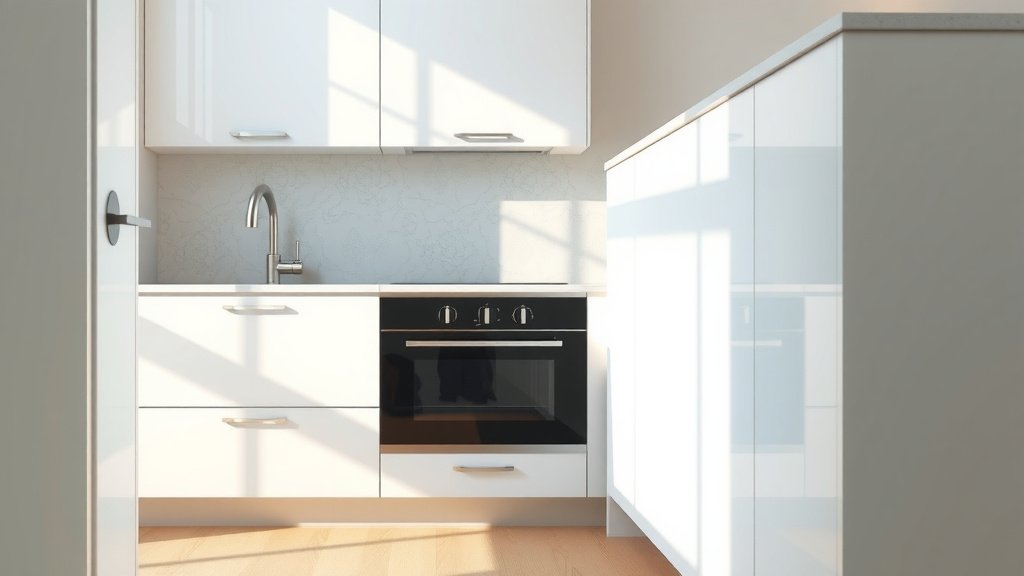
To remove an electric oven from a cabinet, always prioritize safety by first turning off the power at the main circuit breaker. Then, carefully pull the oven forward, disconnect its electrical wiring, and with assistance, gently slide the appliance completely out of its housing.
Removing an electric oven from its cabinet can feel like a big job, but with careful planning and the right steps, you can do it safely. Think of it like a puzzle: each piece needs to come out in a specific order. Here’s a quick overview of what you’ll find in this guide:
- Learn how to cut off power and prepare your work area.
- Discover the essential tools you’ll need for the job.
- Follow clear steps for disconnecting the oven’s electrical supply.
- Get practical tips for safely pulling the oven out of the cabinet.
- Understand the importance of having a second person to help you.
How To Remove Electric Oven From Cabinet?
Removing an electric oven from its cabinet involves disconnecting the power, unscrewing mounting brackets, and carefully pulling the heavy appliance out with help.
Why Are You Removing Your Electric Oven?
Perhaps you’re upgrading to a shiny new model, or maybe your current oven needs a repair that requires it to be outside its cozy cabinet space. Whatever your reason, you’re not alone! Many homeowners tackle this task. Knowing your “why” helps you stay focused on the “how,” ensuring a smooth process.
Safety First: Before You Begin
Think of this as the golden rule of appliance removal. We found that the biggest concern for homeowners is often electrical safety (Consumer Reports). For any electric appliance, especially one as powerful as an oven, cutting the power is your first and most important step. Would you ever swim in an electrical storm? Of course not! Treat your oven the same way.
Gather Your Tools: What You’ll Need
Before you even think about touching the oven, gather your supplies. Imagine starting a project only to stop every five minutes to find another tool – frustrating, right? A little preparation here saves a lot of time and effort. Here’s what we found is typically useful:
- Screwdrivers (Phillips and Flathead)
- Nut driver or socket set (for terminal screws)
- Work gloves (for protection)
- Voltmeter or non-contact voltage tester (to confirm power is off)
- Moving blanket or old cardboard (to protect floors)
- A second person (your lifting buddy!)
- Flashlight or headlamp
Preparing Your Work Area
A clean, organized space makes any job easier. Think of it like setting the stage for a play. You want everything ready for the main act: removing that oven.
Clear the Space Around the Oven
Remove any pots, pans, or other items from nearby counters and drawers. You’ll need room to maneuver the oven once it starts to come out. Picture trying to parallel park in a crowded street; you want as much clear space as possible!
Protecting Your Floors and Cabinetry
Electric ovens are heavy, and they can scratch floors or ding cabinets easily. Many experts suggest laying down an old moving blanket, a large piece of cardboard, or even a thick rug in front of the oven (This Old House). This creates a safe runway for your appliance.
Disconnecting the Electric Oven Safely
This is where the rubber meets the road. Being precise here protects you and your home. Remember, electricity and water don’t mix, and electricity and you don’t mix well either without proper precautions.
Turning Off the Power Supply
Head to your home’s main electrical panel, usually in the basement, garage, or a utility closet. Look for the breaker labeled “Oven,” “Range,” or “Kitchen.” If labels are unclear, you may need to turn off the main breaker for a moment. Once you flip it off, use your voltage tester on the outlet or wires you’ll be working with. No beeps? No lights? Great! You’re safe to proceed.
Accessing the Electrical Box
Most electric ovens are hardwired or plug into a special 240-volt outlet behind them. Gently pull the oven forward a few inches – just enough to reach the back. You’ll often find a junction box or the outlet itself. You might need to unscrew a small access panel on the back of the oven to get to these connections.
Detaching the Wiring
This part requires a bit of attention. You’ll typically see a heavy-duty electrical cable connected to the oven. We found that most electric ovens use either a three-wire or four-wire setup. Here’s a general idea of what you might see:
| Wire Color | Common Function (4-wire system) | Common Function (3-wire system) |
|---|---|---|
| Black | Hot (L1) | Hot (L1) |
| Red | Hot (L2) | Hot (L2) |
| White | Neutral | — (often combined with ground) |
| Green or Bare Copper | Ground | Ground/Neutral combined (older systems) |
Carefully loosen the screws holding the wires in place. Some wires might be inside wire nuts. Once disconnected, be sure to tape the ends of the loose house wires with electrical tape for extra safety, especially if they are hardwired.
Removing the Oven from the Cabinet
Now for the main event! The electrical is off, the area is clear, and your helper is ready. It’s almost time to say goodbye to your old oven’s spot.
Unscrewing Mounting Brackets
Many built-in ovens are secured to the cabinet with a few screws, usually located around the front frame or inside the oven door opening. Look for these small screws and remove them. These are what prevent the oven from tilting out when you open the door or pull out racks.
Pulling the Oven Forward Gently
With your helper, grip the sides of the oven firmly. Avoid pulling on the door handle, as it’s not designed for that kind of stress. Slowly and carefully, pull the oven straight out from the cabinet. Take it one inch at a time. This is where your protective covering on the floor comes in handy!
Getting a Helping Hand
We can’t stress this enough: electric ovens are very heavy. Some models can weigh over 150 pounds (GE Appliances). Attempting to move it alone is a recipe for back strain or damage to your floors or oven. Having a second person is not just a suggestion; it’s a necessary safety measure. Work together, communicate your movements, and lift with your legs, not your back.
Handling the Old Oven
Once the oven is out, you’ll need a plan for it. If it’s going for repair, move it to a safe, out-of-the-way spot. If it’s being replaced, consider local appliance recycling centers. Many municipalities offer large appliance pickup services. Give them a call to arrange disposal.
Installing a New Oven? Key Considerations
If you’re immediately installing a new oven, the process is largely the reverse. Just ensure the new oven fits the existing opening and electrical requirements. Many experts advise checking the new oven’s specifications carefully (ENERGY STAR). Double-check your connections and test the oven thoroughly before pushing it all the way back into the cabinet.
Conclusion
Removing an electric oven from its cabinet might seem intimidating at first glance, but with the right approach, it’s a manageable task. Prioritizing safety by cutting power, gathering your tools, and getting a second pair of hands are the cornerstones of a successful removal. Remember to take it slow, follow the steps, and you’ll have that oven out and ready for its next adventure in no time. Congratulations on tackling a project that empowers you with a new skill!
How heavy is an electric oven usually?
Electric ovens vary in weight, but many standard models weigh between 120 to 200 pounds. Larger or more feature-rich units can sometimes be even heavier. This is why having a helper is so important for safe removal.
Can I remove an electric oven by myself?
It is strongly recommended not to remove an electric oven by yourself. Due to their significant weight and awkward size, attempting solo removal poses a high risk of injury, especially back strain, or damage to the appliance, floors, and cabinetry.
What should I do if the oven is stuck?
If your oven feels stuck, first recheck for any overlooked mounting screws or brackets. Sometimes, accumulated grime or a tight fit can cause resistance. Try gently wiggling it side to side with your helper, rather than just pulling straight out, to loosen it. Never force it with excessive strength.
Do I need an electrician to disconnect my oven?
For most standard electric oven removals where you’re simply disconnecting existing wiring from a junction box or outlet, a homeowner comfortable with basic electrical safety can usually do it. However, if you are unsure about the wiring, or if your oven is hardwired and you’re not comfortable with the connections, it’s wise to call a qualified electrician for help (Electrical Safety Foundation International).
How do I dispose of an old electric oven?
To dispose of an old electric oven, check with your local waste management services or municipality. Many areas offer special bulky item pickup services, or they might direct you to an appliance recycling center. Some appliance retailers also offer haul-away services when you purchase a new unit.
