
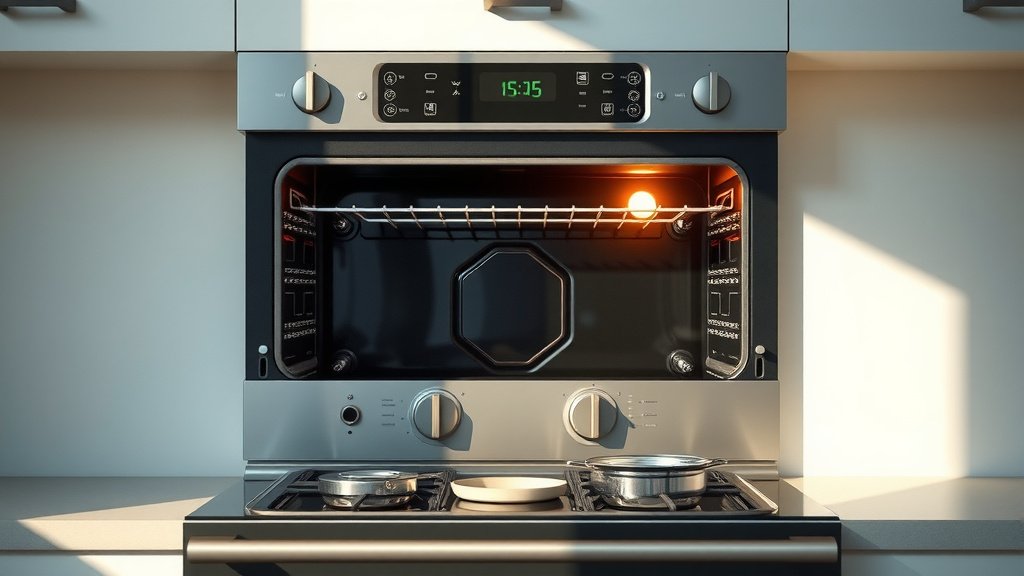
Your gas oven might take a long time to preheat if the igniter is weakening, the temperature sensor is inaccurate, or the gas flow is restricted. These common issues prevent your oven from reaching the set temperature efficiently.
Often, a gas oven taking longer than 15-20 minutes to preheat to a standard baking temperature like 350°F suggests an underlying problem that needs attention.
- A slow-heating gas oven usually means a weak igniter.
- The oven’s temperature sensor might be faulty, giving wrong readings.
- Gas supply issues or dirty burner ports can restrict flame size.
- A compromised door seal lets heat escape, prolonging preheat.
- Regular cleaning prevents grease buildup, which can affect heating performance.
Why Does My Gas Oven Take So Long To Preheat?
Your gas oven is taking too long to preheat usually because a critical component is failing or the oven isn’t retaining heat efficiently. It’s often a sign that something needs checking or replacing.
The Role of the Igniter
The igniter in your gas oven does more than just light the gas. It also acts as a safety device and a sensor. It must get hot enough to glow brightly for gas to flow safely.
A weak igniter won’t reach the needed temperature. This means it takes longer to signal the gas valve to open. Imagine trying to start a campfire with a sputtering match; it eventually lights, but it takes patience, right?
Identifying a Weak Igniter
How can you tell if your igniter is failing? When you turn on your oven, peek inside. You should see a bright orange glow. If it’s a dull red or takes a long time to get bright, that’s a clue. Research suggests that a faulty igniter is among the most common reasons for slow preheating (Appliance Service Manuals).
Many experts say a healthy igniter draws about 3.2 to 3.6 amps of current. If it’s drawing less, it’s not heating properly. This can add significant time to your oven’s warm-up cycle.
Is Your Temperature Sensor Accurate?
Your oven’s temperature sensor is like its internal thermometer. It tells the control board how hot the oven is. If this sensor is off, it can give incorrect readings.
The oven might think it’s hotter than it actually is. This causes the heating element to cycle off too soon. We found that an inaccurate sensor tricks the oven into thinking it reached its target temperature when it hasn’t (Consumer Reports).
Testing Your Oven Sensor
You can gently pull out the sensor, often located at the top rear corner. You’ll typically find two wires attached. A multimeter can check its resistance, but this often requires a professional. Many repair guides show specific resistance values at room temperature for accurate testing (GE Appliances Service Guide).
If the sensor is giving incorrect resistance, the oven’s brain won’t know the real temperature. It will continue trying to reach a false reading, slowing everything down.
Gas Supply and Burner Issues
Your oven needs a steady, clean supply of natural gas or propane to heat effectively. Any interruption here can cause problems. Think of a garden hose with a kink; the water flow slows down.
Checking Gas Flow and Burner Ports
Sometimes, the gas valve itself might not be fully opening. This limits the amount of gas reaching the burner. Blocked or dirty burner ports can also affect the flame. If you see an uneven or weak flame when your oven is on, that’s a sign.
Many experts recommend checking the gas pressure regulator. If it’s not providing enough pressure, your oven won’t heat quickly. We found that a qualified technician can test gas pressure to ensure it meets manufacturer specifications (National Fire Protection Association).
Oven Door Seal Condition
Just like your refrigerator keeps cold air in, your oven door seal keeps hot air inside. If this seal, also called the gasket, is worn out or damaged, heat escapes. This forces your oven to work harder to maintain temperature.
Feel around the edges of your oven door during preheating. Do you feel heat escaping? This is a clear indicator that your seal might be failing. Many oven manufacturers recommend checking the door gasket every few years.
Assessing Your Door Gasket
Here’s a simple test: Place a dollar bill in the oven door and close it. If you can easily pull the bill out, the seal is likely weak. A good seal should hold the bill firmly. A new, intact seal helps your oven preheat faster and saves energy.
Oven Size and Initial Temperature
Have you ever noticed your large SUV takes longer to warm up in winter than a small car? Ovens are similar. A bigger oven takes more energy and time to heat its larger internal volume.
Also, if your kitchen is particularly cold, your oven starts from a lower baseline temperature. This naturally adds to the preheating time. It’s not a fault, just physics at play.
| Common Cause | Potential Signs | Impact on Preheat Time |
|---|---|---|
| Weak Igniter | Dull, slow glow; delayed gas ignition | Adds 5-15+ minutes |
| Faulty Sensor | Inaccurate internal temperature; oven cycles off too soon | Oven never reaches true temp, feels slow |
| Gas Flow Issues | Uneven or weak burner flame | Adds 10-20+ minutes |
| Door Gasket Leak | Heat escaping around door edges | Adds 5-10+ minutes |
When Was Your Oven Last Cleaned?
We often forget that a dirty oven can affect performance. Grease and food debris can build up around the burner. This can impede proper gas flow and heat distribution.
While a dirty oven isn’t the primary cause of extreme slowness, consistent cleaning helps maintain efficiency. Many oven care guides emphasize keeping the burner area clear.
Altitude and Atmospheric Pressure
Living at a higher altitude can affect how your gas oven performs. Higher altitudes have lower atmospheric pressure. This can influence the efficiency of gas combustion.
Some ovens might need minor adjustments to the air-fuel mixture at very high altitudes. We found that in some cases, appliance manuals provide specific guidance for high-altitude installation (AGA Appliance Standards).
Quick Oven Preheat Checklist
- Check igniter glow for brightness and speed.
- Listen for gas ignition sounds – should be prompt.
- Feel for heat leaking around the oven door.
- Look at the burner flame for evenness and strength.
- Consider your oven’s age; older models might naturally be slower.
What’s a Normal Preheat Time?
A typical gas oven should preheat to 350°F (175°C) in about 10 to 15 minutes. For 400°F (200°C), it might take 15 to 20 minutes. If your oven is consistently taking significantly longer, it’s worth investigating. Always refer to your specific oven’s manual for precise guidelines.
Conclusion
When your gas oven takes ages to preheat, it’s often more than just an inconvenience; it can signal a functional issue. From a weary igniter to a leaking door seal or an inaccurate sensor, understanding the common culprits helps you act. Many of these fixes are straightforward, though some might call for a professional hand. Keeping your oven well-maintained not only ensures quicker preheating but also boosts efficiency and safety. Don’t let a slow oven delay your delicious meals!
How do I know if my oven igniter is bad?
You can often tell if your oven igniter is bad if it glows a dull orange instead of a bright yellow-orange, or if it takes a very long time (more than 30-60 seconds) to light the gas burner. A weak igniter will delay the gas valve from opening, extending preheat times.
Can a dirty oven cause it to preheat slowly?
While a dirty oven isn’t usually the main reason for extreme slowness, heavy grease and food buildup can slightly impede heat distribution and affect the burner’s efficiency. Regular cleaning helps maintain optimal performance and can prevent minor obstructions.
Is it normal for a new gas oven to preheat slowly?
A brand new gas oven should preheat within the typical 10-20 minute range for standard temperatures like 350-400°F. If your new oven is unusually slow, check the installation (especially gas line connections) or contact the manufacturer for potential defects.
How much does it cost to fix a slow preheating gas oven?
The cost to fix a slow preheating gas oven varies widely depending on the issue. Replacing a faulty igniter can range from $150 to $300, including parts and labor. A temperature sensor replacement might be similar. Gas line or control board issues could be more costly, often requiring a professional diagnosis.
Should I use the preheat setting or just set the temperature?
Always use the dedicated “preheat” setting on your oven, if available, or simply set your desired temperature and wait for the preheat indicator. This ensures the oven reaches and stabilizes at the correct temperature before you place food inside, crucial for consistent baking and cooking results.
