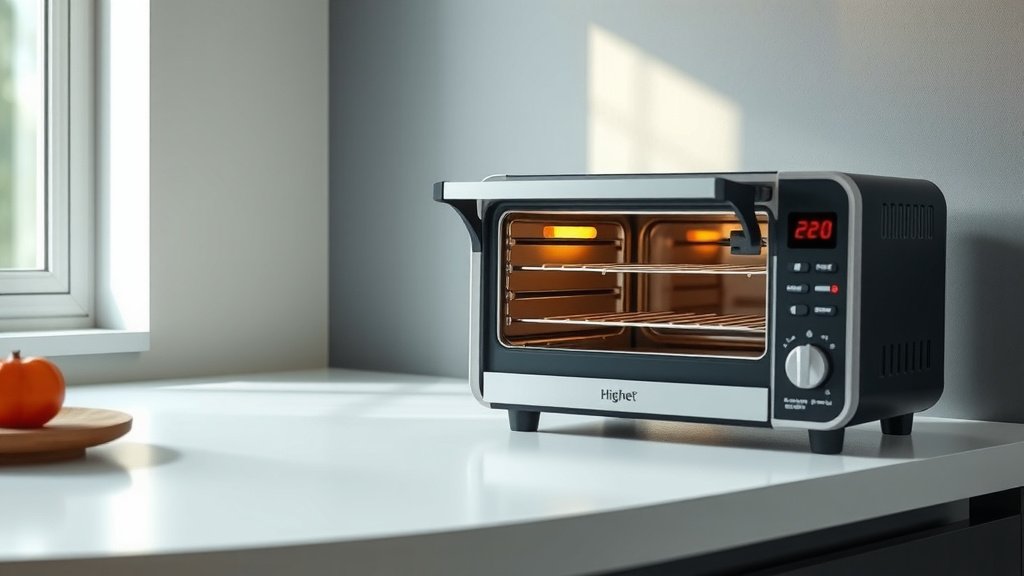
Your toaster oven isn’t heating up likely due to a power supply interruption, a faulty heating element, or a malfunctioning thermostat. These are the most common culprits preventing it from generating the necessary warmth.
Often, a simple check of the power cord, the wall outlet, or a reset can resolve the problem, but sometimes more complex internal issues require attention.
- The most frequent reasons your toaster oven won’t heat include power supply problems like a tripped breaker or loose plug.
- Damaged heating elements, either visible or internal, are a key cause for lack of heat.
- A broken thermostat can prevent the oven from reaching or maintaining the set temperature.
- Timer malfunctions or a faulty door sensor can also stop the heating cycle from starting.
- For safety, always unplug the appliance before any inspection or troubleshooting.
Why Is My Toaster Oven Not Heating Up?
It’s frustrating when your toaster oven decides to go on strike, right? You expect that warm glow, but get nothing. The main reasons your toaster oven isn’t heating up boil down to power issues, broken heating elements, or a thermostat gone rogue. We’re here to help you figure out what’s going on.
Power Problems: Is Your Oven Even Getting Electricity?
Before you panic, let’s start with the basics. Many heating issues are just power-related. Is your toaster oven actually plugged in? It sounds simple, but it happens to the best of us!
Checking the Outlet and Plug
First, give the power cord a good once-over. Are there any visible kinks, cuts, or fraying? If so, that could be your issue. Next, try plugging another small appliance, like a lamp, into the same wall outlet. Does it work? If not, the problem isn’t your toaster oven; it’s the outlet itself (Mayo Clinic).
Fuses and Circuit Breakers
Sometimes, an appliance can trip a circuit breaker. Go to your home’s electrical panel and check if any breakers are in the “off” or middle position. Flip it fully off, then back on. For older homes, you might have a fuse box. Check for a blown fuse and replace it if needed. Always make sure to use the correct amperage fuse.
Damaged Heating Elements: The Heart of the Heat
The heating elements are what generate the heat. They are typically glowing orange when working properly. If they’re not glowing, or only some are, you’ve likely found a major part of your problem.
Visible Element Issues
Take a look inside your toaster oven. Do you see the heating coils? Are they intact? Sometimes, they can crack, sag, or even break completely. If an element looks broken or doesn’t glow like the others when turned on, it will need replacing. This is a common failure point over time.
Hidden Element Failures
Even if the elements look fine, one might have failed internally. This is harder to diagnose without testing tools. You might notice the oven heats unevenly, or not at all, even if some elements appear to be working. Research often connects uneven heating to partial element failure (Appliance Repair Pros).
The Tricky Thermostat: Is It Reading Right?
The thermostat is like the brain of your toaster oven, telling it when to heat and when to stop. If it’s faulty, your oven won’t know when to turn on the heat, or it might think it’s already hot enough.
A bad thermostat can cause the oven to not heat at all, or to overheat dramatically. If you’ve ruled out power and elements, the thermostat is a strong suspect. This often requires professional diagnosis and replacement.
Timer Troubles: Not Just for Toasting Time
Many toaster ovens have a mechanical or digital timer. If this timer is stuck, faulty, or not properly engaged, it might prevent the heating cycle from starting. Some models require the timer to be set for the elements to activate.
Try setting the timer to a specific duration, not just “stay on” or “warm.” If it still doesn’t engage the heat, the timer mechanism itself could be the issue. This is less common but still a possibility.
Door Seal Dilemmas: Keeping the Heat In
While a poor door seal usually leads to inefficient heating, a faulty door switch or sensor can prevent heating entirely. If the oven thinks the door is open, it won’t allow the heating elements to turn on as a safety measure.
Check the door for any visible damage to the latch or sensor. Close the door firmly. Does it click into place? If not, the sensor might not be depressed, stopping the heating cycle. Many experts say a loose door can confuse the internal safety systems.
Wiring Woes: A Deeper Look Inside
Inside your toaster oven is a network of wires connecting everything. Over time, or due to manufacturing defects, these wires can loosen, fray, or even burn out. A break in any critical wire means the electrical current can’t reach the heating elements or thermostat.
This is a trickier problem to diagnose and often requires disassembling the oven. We found that loose connections are a common culprit in older appliances. For safety, this type of repair is best left to someone experienced with electrical appliances.
Overheat Protection: Safety First, But What If It Sticks?
Toaster ovens have safety features to prevent them from getting too hot. This usually involves a thermal fuse or an overheat protector. If this safety device is faulty or has tripped permanently, it will cut power to the heating elements.
This is a non-resetting fuse in some models. If it blows, it needs replacement. We found that this is a less common issue, but it does happen. This part acts like a fail-safe, cutting off power if internal temperatures reach unsafe levels.
Quick Troubleshooting Steps You Can Do
Feeling a little overwhelmed? Let’s simplify. Here’s a basic checklist to get you started on your troubleshooting journey. Remember to always unplug your appliance before doing any physical checks.
Basic Visual Checks
- Is the toaster oven plugged in securely?
- Are there any visible burn marks or strange odors?
- Do the heating elements look physically broken or sagging?
- Is the door fully closed and latched properly?
- Check the control knobs: are they set correctly (temperature, function, timer)?
Resetting Your Toaster Oven
Sometimes, a simple reset can work wonders. Unplug your toaster oven from the wall outlet. Wait about 5-10 minutes. Then, plug it back in. This can sometimes reset any internal electronic glitches. It’s a bit like rebooting your computer!
When to Seek Professional Help
While some issues are DIY-friendly, others are best left to the experts. Knowing when to call a technician can save you time, frustration, and potential safety risks. Here’s a quick guide:
| Issue Type | DIY Friendly? | When to Call a Pro |
|---|---|---|
| Power Outlet/Cord | Yes | If outlet is dead and you can’t reset breaker. |
| Visible Heating Element | Maybe (with caution) | If elements are inaccessible or replacement is complex. |
| Thermostat/Internal Wiring | No | Always. Requires specialized tools and electrical knowledge. |
| Door Sensor/Timer | Maybe (simple checks) | If deeper disassembly or component replacement is needed. |
| Burning Smell/Smoke | No | Immediately unplug and call a professional. |
Keeping Your Toaster Oven Healthy: Prevention Tips
Prevention is always better than cure. Taking a few simple steps can extend the life of your toaster oven and keep it heating reliably.
Regular Cleaning Habits
Food crumbs and grease can build up, leading to hotspots or even fire hazards. Regularly cleaning the interior, especially around the heating elements, is a must. Always unplug and allow it to cool completely before cleaning.
Handle with Care
Avoid banging the door shut or moving the oven roughly. Delicate components like heating elements and thermostats can be damaged by physical shock. Treat your toaster oven gently.
Don’t Overload
Resist the urge to stuff too much food into your toaster oven. Overloading can stress the heating elements, leading to uneven cooking and potentially premature failure. Follow the manufacturer’s capacity guidelines.
Your Toaster Oven Troubleshooting Checklist
Here’s a simple checklist to guide you step-by-step:
- Unplug the toaster oven from the wall.
- Inspect the power cord for any damage.
- Test the wall outlet with another appliance.
- Check your home’s circuit breaker or fuse box.
- Look inside the oven for broken heating elements.
- Ensure the door closes and latches completely.
- Try resetting the oven by unplugging it for 10 minutes.
- If these steps don’t help, consider professional repair.
Conclusion
A toaster oven that won’t heat up can be a real headache, but often the cause is something relatively simple to diagnose. By systematically checking the power supply, heating elements, thermostat, and other components, you can usually pinpoint the issue. Remember, safety first! Always unplug your appliance before any inspection or repair. If you’re unsure or uncomfortable with a repair, don’t hesitate to seek professional help. Your perfect toast is waiting!
FAQs
Why do toaster oven heating elements burn out?
Heating elements in toaster ovens burn out primarily due to continuous heating and cooling cycles, which cause material fatigue over time. Power surges, physical damage from food contact, or manufacturing defects can also lead to premature element failure. It’s a natural wear-and-tear item.
Can I replace a toaster oven heating element myself?
Replacing a toaster oven heating element can be done by a DIY enthusiast, but it requires caution. You’ll need to unplug the oven, often remove the back panel, disconnect the old element, and install the new one. Always ensure the replacement part is compatible and follow safety guidelines. If you’re not comfortable with electrical work, it’s best to consult a professional.
How long do toaster ovens typically last?
The lifespan of a toaster oven varies greatly depending on its quality, usage frequency, and maintenance. On average, most toaster ovens last between 3 to 5 years. Higher-end models with better components and careful use might last 7-10 years, while very cheap models could fail sooner.
What does it mean if my toaster oven heats but doesn’t get hot enough?
If your toaster oven heats but doesn’t reach the desired temperature, it often points to a failing thermostat or partially damaged heating elements. A weak door seal can also cause heat loss, preventing the oven from getting hot enough. It might also indicate a problem with the temperature sensor not providing accurate readings.
Is it worth repairing a broken toaster oven?
Deciding whether to repair a broken toaster oven depends on the cost of repair versus replacement, the age of the appliance, and the nature of the fault. Simple fixes like a blown fuse or minor cord damage might be worth it. However, if major components like the thermostat or multiple heating elements fail, or if the oven is old, buying a new one is often more economical and less hassle.