
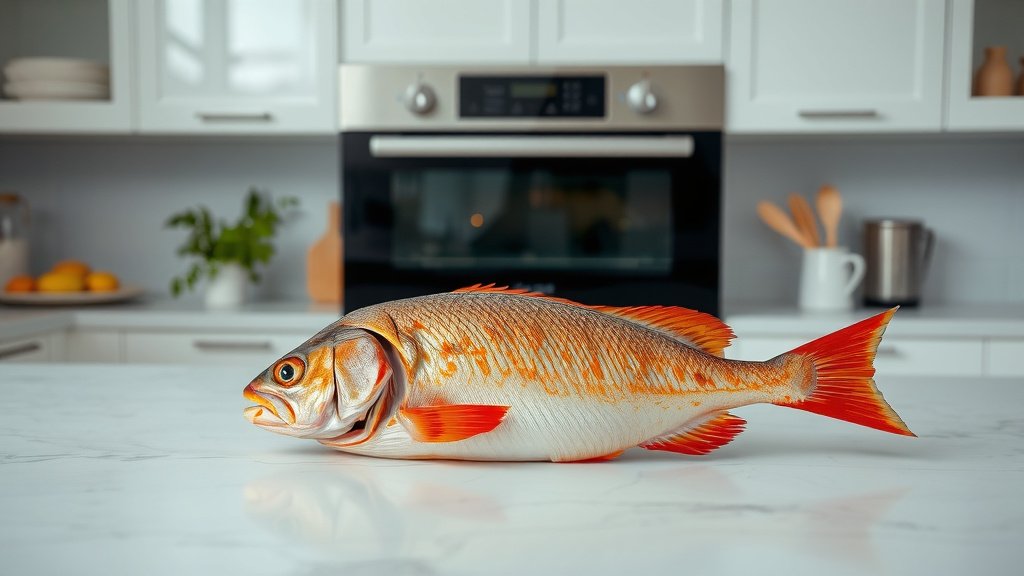
To make crispy skin fish in an infrared oven, you should preheat the oven to a high temperature, thoroughly pat the fish skin dry, and cook it skin-side up on a wire rack for the best results.
The intense, direct radiant heat from an infrared oven excels at crisping fish skin beautifully by rapidly rendering fat and efficiently removing surface moisture.
Here’s a quick look at how you’ll achieve that perfect crispy skin:
- Preheat your infrared oven to a high temperature, usually around 400-425°F (200-220°C).
- Make sure to pat the fish skin completely dry using paper towels. This step is super important.
- Season your fish well with salt and pepper, and a light brush of high-smoke-point oil.
- Cook the fish skin-side up on a wire rack placed over a baking sheet.
- Monitor closely, as infrared ovens cook quickly and efficiently.
- Let the fish rest for a few minutes after cooking to ensure juicy flesh and maximum crispness.
How To Make Crispy Skin Fish In Infrared Oven?
Achieving wonderfully crispy fish skin in an infrared oven is simpler than you might think, really. The key lies in understanding how this special oven works and preparing your fish just right.
The Infrared Advantage: Why It Works So Well
Infrared ovens are like a secret weapon for crispy food. They use radiant heat, which directly targets your food, similar to how a broiler or even the sun warms you. This direct heat is incredibly efficient.
Understanding Infrared Heat
Unlike conventional ovens that heat the air, infrared ovens heat the food itself. This means moisture on the surface evaporates much faster, and fats render more quickly. This process is exactly what you need for a truly crispy fish skin.
Many culinary experts agree that this direct heat method helps create a superior crust. It’s almost like frying, but without all the extra oil, which is pretty neat.
Choosing Your Fish for Crispy Skin
Not all fish are created equal when it comes to crispy skin, you know? Some types naturally lend themselves better to achieving that sought-after crunch.
Best Types of Fish
Look for fish with naturally fatty skin that isn’t too thin. Salmon is a classic choice, of course, with its delicious, fatty skin. Other great options include snapper, branzino, mackerel, and sea bass.
We found that fish with intact scales removed provide the best surface for crisping. Thicker fillets usually hold up better to the high heat too (Food Science Today).
Essential Prep for Perfect Crispy Skin
Preparation is truly half the battle when you’re aiming for crispy fish skin. A little extra effort here makes a huge difference in the final outcome.
Drying the Skin is Key
This is probably the most crucial step, seriously. You need to pat the fish skin as dry as humanly possible with paper towels. Any moisture on the skin will steam rather than crisp, ruining your efforts.
Think of it like getting a good sear on a steak. You want zero moisture. Some chefs even suggest leaving the fish uncovered in the fridge for an hour or two to air-dry the skin further, if you have the time.
Seasoning Smartly
Once dry, season the skin generously with salt and pepper. The salt helps draw out any remaining moisture, assisting the crisping process. You can also lightly brush the skin with a high-smoke-point oil, like avocado or grapeseed oil.
This light layer of oil helps conduct heat and encourages browning. Avoid heavy marinades on the skin itself, as they often contain moisture that prevents crisping.
Setting Up Your Infrared Oven
Getting your oven ready is straightforward but important. The right temperature and equipment are your allies here.
Ideal Temperature Settings
For crispy skin, you need high heat. We found that preheating your infrared oven to between 400°F and 425°F (200°C to 220°C) works wonderfully. This high temperature helps render the fat quickly and efficiently.
Don’t be shy with the heat; that’s where the magic happens for crisping. A well-preheated oven ensures even cooking from the start.
Using the Right Cookware
Always cook your fish on a wire rack placed over a baking sheet. Why a wire rack? It allows air to circulate completely around the fish, especially underneath the skin.
This setup prevents the bottom of the fish from steaming in its own juices. A standard baking sheet can trap moisture, which is exactly what we want to avoid for crispy skin.
The Cooking Process: Step-by-Step
Now for the fun part: cooking your perfectly prepped fish. Keep an eye on it, as infrared ovens work fast!
Skin-Side Up or Down?
For crispy skin, always cook your fish skin-side up. This exposes the skin directly to the intense radiant heat, allowing it to crisp beautifully without getting soggy.
Many experts say that starting skin-side up allows the skin to crisp fully while the flesh cooks through. You generally won’t need to flip the fish.
Monitoring for Doneness
Cooking times will vary based on the thickness of your fish. A general rule of thumb is about 10 minutes per inch of thickness at the thickest part. However, infrared ovens can cook faster.
Keep a close watch. The skin should be deeply golden brown and crunchy, and the flesh should flake easily with a fork. You’ll know it’s ready when it looks and smells amazing!
What If It’s Not Crispy Enough? (Troubleshooting)
Sometimes things don’t go perfectly, and that’s okay! Here are a few common reasons your fish skin might not be as crispy as you hoped:
- Not dry enough: Did you really, really pat it dry? Revisit this step next time.
- Oven not hot enough: Make sure your oven is fully preheated to the recommended high temperature.
- Crowding the oven: Too many pieces of fish can lower the oven temperature and trap steam. Give each piece space.
- Flipping: Resist the urge to flip the fish. That can disrupt the crisping process.
Rest Your Fish for Optimal Texture
Just like a good steak, fish benefits from resting after cooking. Take it out of the oven and let it sit for about 5 minutes before serving.
This resting period allows the juices to redistribute throughout the flesh, making it moister. It also helps the skin maintain its crispness by allowing any residual moisture to dissipate rather than re-soften the skin.
Safety Tips for Infrared Cooking
Infrared ovens get hot, so always be mindful of safety:
- Always use oven mitts when handling hot pans or the oven itself.
- Ensure good ventilation in your kitchen, as high-heat cooking can produce some smoke.
- Keep flammable materials away from the oven’s vents and hot surfaces.
| Checklist for Crispy Skin Fish |
|---|
| ✓ Choose the right fish type (e.g., salmon, snapper). |
| ✓ Pat the fish skin bone-dry with paper towels. |
| ✓ Season skin generously with salt and pepper. |
| ✓ Brush skin lightly with high-smoke-point oil. |
| ✓ Preheat infrared oven to 400-425°F (200-220°C). |
| ✓ Use a wire rack over a baking sheet. |
| ✓ Cook fish skin-side up. |
| ✓ Rest the fish for 5 minutes after cooking. |
Conclusion
Making crispy skin fish in an infrared oven is an incredibly rewarding cooking experience. By focusing on simple but effective steps—like thoroughly drying the skin, using high heat, and cooking on a wire rack—you can consistently achieve restaurant-quality results right in your own kitchen. It truly transforms a simple fish fillet into a delightful meal. So, go ahead, give it a try; you’ll be amazed at the difference!
FAQs
How hot should my infrared oven be for crispy fish skin?
You should preheat your infrared oven to a high temperature, typically between 400°F and 425°F (200°C to 220°C), for the best crispy fish skin. High heat is essential for quickly rendering the fat and evaporating moisture.
Can I use any type of fish for crispy skin in an infrared oven?
While many fish can be cooked, fish with naturally fatty skin like salmon, snapper, sea bass, or branzino are ideal for achieving the crispiest results. Their fat content helps create that satisfying crunch.
Do I need to put oil on the fish skin before cooking?
A very light brush of a high-smoke-point oil, such as avocado or grapeseed oil, can help promote even browning and crisping. However, the most critical step is ensuring the skin is completely dry before cooking.
Why is a wire rack important for crispy fish skin in an infrared oven?
Using a wire rack allows air to circulate all around the fish, including underneath the skin. This prevents the bottom from steaming in its own juices and ensures the entire skin surface gets exposed to the direct heat, leading to maximum crispness.
How long does it take to cook crispy skin fish in an infrared oven?
Cooking time varies based on fish thickness, but typically, an infrared oven will cook fish faster than a conventional oven. A good starting point is around 8-12 minutes per inch of thickness for most fish, always cooking until the skin is golden and crisp and the flesh flakes easily.
