
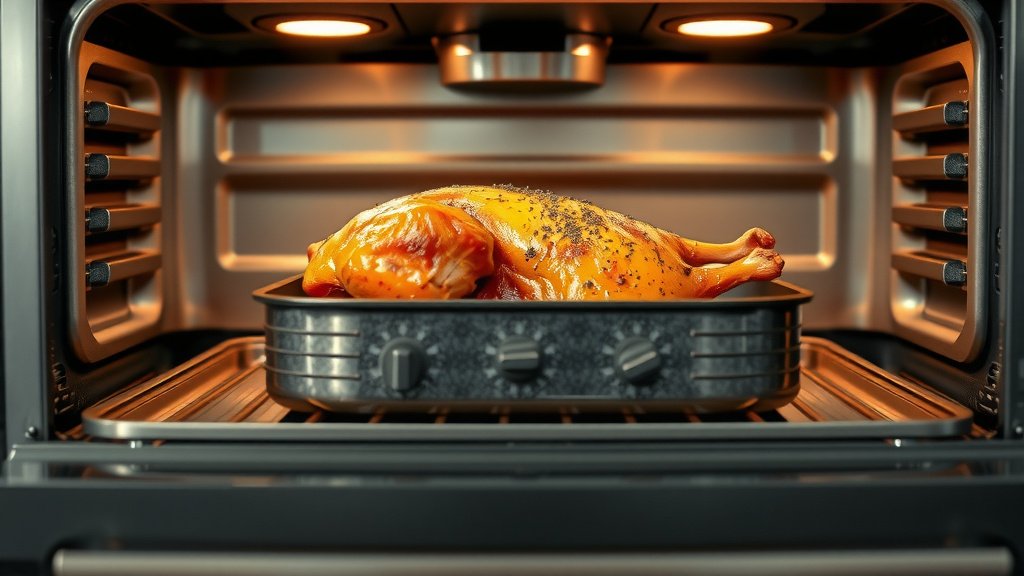
To slow roast in a gas oven, set your oven to a low temperature, typically between 225°F and 275°F (107°C to 135°C), ensuring a long, gentle cooking process.
This method leverages sustained, moderate heat to break down tough connective tissues, yielding exceptionally tender and flavorful meats.
- Set your gas oven to a low, consistent temperature (225°F-275°F).
- Preheat thoroughly and use an oven thermometer for accuracy.
- Select suitable cuts of meat for slow roasting.
- Allow plenty of cooking time, and always let the roast rest afterwards.
- Embrace the natural variations of a gas oven for delicious results.
How To Slow Roast In A Gas Oven?
Slow roasting in a gas oven centers on maintaining a consistent low temperature, adapting to your oven’s unique heat patterns. This method ensures your meat becomes incredibly tender and juicy.
Why Slow Roasting is a Game Changer
Have you ever wanted that melt-in-your-mouth texture from a roast? Slow roasting makes it happen. We find that gentle heat over time slowly breaks down tough fibers in meat (USDA).
This process results in a more tender product, often with enhanced flavor. It’s like magic for less expensive cuts.
The Science Behind the Tenderness
Collagen, a connective tissue, turns into gelatin when cooked slowly at low temperatures. This transformation makes meat much softer.
Many experts agree that this method also helps retain moisture better, preventing your roast from drying out (Cook’s Illustrated).
Understanding Your Gas Oven’s Personality
Gas ovens can be a little different from electric ones. They often have more moisture in the air, which can be a good thing for roasts.
However, gas ovens can also have hot spots and cool spots. Getting to know your oven is key to mastering slow roasting.
Taming Hot Spots in a Gas Oven
Gas ovens tend to be hotter at the top and back. We found that using an oven thermometer helps you pinpoint these areas.
Rotating your roast halfway through cooking can help with even browning. You can also place a pan of water on the bottom rack to even out heat distribution.
Essential Tools for Perfect Slow Roasting
You don’t need fancy equipment to slow roast successfully. A few basic tools will make a big difference.
A good meat thermometer is your best friend. It helps you track the internal temperature precisely.
- An accurate oven thermometer.
- A reliable digital meat thermometer.
- A sturdy roasting pan with a rack.
- Aluminum foil for covering.
- A basting brush (optional).
Prepping Your Roast for the Slow Cook
Preparation starts long before the roast hits the oven. Proper prep sets the stage for a delicious outcome.
Always bring your meat to room temperature before cooking. This helps it cook more evenly.
Seasoning Your Masterpiece
Don’t be shy with seasoning. Salt, pepper, garlic powder, and herbs like rosemary or thyme work wonders.
We often found that applying a generous rub a few hours, or even a day, before cooking really deepens the flavor.
Searing First: To Do or Not To Do?
Some people love to sear their roasts before slow roasting. This creates a beautiful, caramelized crust.
Others prefer to skip the sear for a softer exterior. It’s really a matter of personal preference. Both methods can lead to great results.
Setting the Ideal Temperature and Time
This is where the magic really happens. Low and slow is the mantra for gas oven slow roasting.
We typically recommend a temperature between 225°F and 275°F (107°C to 135°C).
Temperature Guidelines for Various Meats
| Meat Type | Oven Temp (F/C) | Approx. Time (per lb) | Internal Temp (F/C) |
|---|---|---|---|
| Beef Roast | 225°F (107°C) | 45-60 minutes | 130°F-145°F (54°C-63°C) |
| Pork Shoulder | 250°F (121°C) | 60-75 minutes | 195°F-205°F (90°C-96°C) |
| Leg of Lamb | 275°F (135°C) | 35-45 minutes | 135°F-145°F (57°C-63°C) |
Remember, these are guidelines. Your meat thermometer is the ultimate judge of doneness.
Monitoring Your Roast’s Progress
Check the internal temperature about an hour before the estimated finish time. This helps prevent overcooking.
If your roast is browning too quickly, you can tent it loosely with foil. This traps moisture and prevents excessive crust formation.
The Crucial Resting Period
Don’t slice into that beautiful roast right away! This step is often overlooked, but it’s incredibly important.
Allowing the meat to rest for at least 15-30 minutes helps the juices redistribute throughout the meat. This makes every bite more succulent.
Troubleshooting Common Gas Oven Challenges
Even with careful planning, things can sometimes go awry. Here are a few common issues and solutions.
Don’t get discouraged if your first slow roast isn’t perfect. Practice makes perfect, as they say!
Uneven Cooking?
If one side of your roast cooks faster, try rotating the pan periodically. Also, ensure your roasting rack lifts the meat off the pan.
We found that placing a heavy-bottomed baking sheet on the rack below your roast can also help diffuse heat.
Roast Drying Out?
This usually happens if the temperature is too high or the roast cooked too long. Always use your meat thermometer!
A pan of water on the bottom rack can add humidity. You can also baste with pan juices or broth to keep things moist.
Slow Roasting Checklist
Keep these points in mind for your next slow roasting adventure:
- Preheat your gas oven thoroughly.
- Use an accurate oven thermometer.
- Bring meat to room temperature.
- Season generously.
- Cook low and slow (225°F-275°F).
- Monitor internal temperature with a meat thermometer.
- Rest the meat before carving.
Conclusion
Slow roasting in a gas oven truly elevates your cooking. By understanding your oven, prepping correctly, and patiently allowing the low heat to work its magic, you’ll consistently create tender, flavorful roasts.
This method brings out the best in many cuts of meat, ensuring a satisfying meal every time. So, go ahead and give it a try – your taste buds will thank you!
How long does slow roasting typically take in a gas oven?
The time for slow roasting varies greatly by meat type and size. For example, a beef roast might take 45-60 minutes per pound, while pork shoulder could be 60-75 minutes per pound at a low temperature.
Do I need to add water to the roasting pan in a gas oven?
Adding water to the roasting pan can help create a humid environment, which is beneficial in some gas ovens to prevent drying and promote even cooking. It’s especially useful for longer roasts.
Can I slow roast frozen meat directly in a gas oven?
No, it’s not recommended to slow roast frozen meat. For best results and food safety, always thaw your meat completely in the refrigerator before slow roasting. This ensures even cooking and prevents bacteria growth.
What’s the best way to get a crispy skin on a slow-roasted chicken in a gas oven?
For crispy skin on a slow-roasted chicken, try rubbing the skin with oil and a good amount of salt before roasting. Towards the end of cooking, you can increase the oven temperature for the last 15-20 minutes, monitoring closely, to crisp up the skin.
My gas oven temperature fluctuates a lot. How can I still slow roast effectively?
If your gas oven has temperature fluctuations, using an independent oven thermometer is critical. You might need to adjust your oven dial more frequently or consider rotating your roast more often. Some experts suggest placing a pizza stone on a lower rack to help stabilize temperatures (America’s Test Kitchen).
