
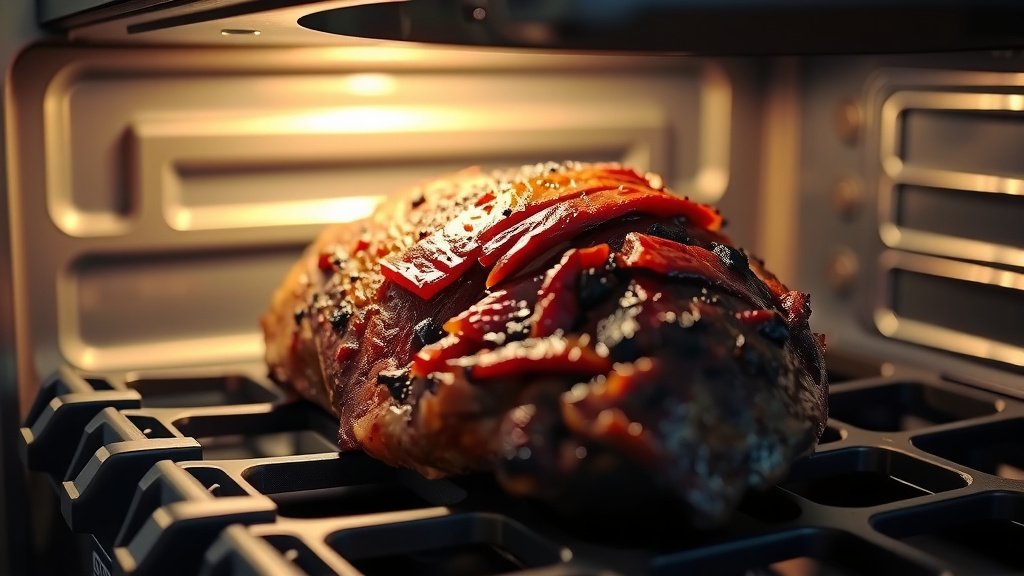
Making a tender brisket in a gas oven involves a low-and-slow cooking method, typically at 250-275°F, often wrapped in foil or butcher paper to retain moisture.
You can achieve a delicious, fall-apart brisket in your gas oven by focusing on proper trimming, a good rub, consistent temperature, and a crucial resting period after cooking.
- Start with a well-trimmed brisket flat for best oven results.
- Apply a generous dry rub to build a flavorful crust.
- Cook low and slow in your gas oven, targeting 250-275°F.
- Wrap the brisket after a few hours to maintain moisture and tenderness.
- Always rest your brisket for at least an hour before slicing against the grain.
How To Make A Brisket In A Gas Oven?
Making a brisket in a gas oven is totally doable and can yield incredibly tender, flavorful results without needing a smoker.
The key steps involve proper prep, low-and-slow cooking, and a vital resting period to ensure juicy perfection.
Why Choose Your Gas Oven for Brisket?
Many home cooks might think brisket requires a smoker, but your gas oven is a fantastic alternative.
It provides a consistent, controlled heat environment, making it simpler to manage temperatures for hours on end (USDA).
Plus, you can still get a wonderful bark and tender meat right in your kitchen.
Understanding Brisket Cuts
Brisket is a large cut of beef from the lower chest area.
It usually comes in two parts: the “flat” and the “point”.
The flat is leaner and more uniform, making it ideal for slicing. The point is fattier and great for shredded brisket.
For oven cooking, many experts recommend starting with a brisket flat, as it cooks more evenly.
Prepping Your Brisket for Success
Before any cooking happens, some preparation is essential.
You want to start with a good base to ensure a fantastic outcome.
Trimming Your Brisket
A whole brisket often has a thick fat cap and some hard, silver skin.
Trim the hard fat down to about a quarter-inch thickness across the entire surface.
This fat will render and baste the meat, adding flavor without being excessive.
The Importance of a Good Rub
A dry rub is your best friend for oven-baked brisket.
It creates that delicious, savory crust, known as bark, and infuses flavor deep into the meat.
Common ingredients include salt, black pepper, garlic powder, and paprika. Feel free to get creative!
Apply the rub generously to all sides of the brisket. Pat it firmly so it sticks well.
Essential Tools You’ll Need
Having the right gear makes the process smoother and more successful.
You don’t need anything fancy, just a few basics.
- Large Roasting Pan with a Rack: Elevates the brisket for even cooking.
- Instant-Read Meat Thermometer: This is a must for checking internal temperatures accurately.
- Foil or Butcher Paper: For wrapping the brisket later on.
- Sharp Carving Knife: For clean slices against the grain.
Setting Your Oven for Brisket Perfection
The key to tender brisket is cooking it “low and slow.”
This means a relatively low oven temperature for an extended period.
This method breaks down the tough connective tissues in the brisket, transforming it into melt-in-your-mouth goodness.
The Best Oven Temperature for Brisket
Many experienced cooks suggest a temperature range of 250-275°F (121-135°C).
We found that 275°F works well to strike a balance between cooking time and tenderness.
A lower temperature, like 250°F, will take longer but can result in slightly more tender meat.
The Cooking Process: Step-by-Step Guide
Let’s get down to the actual cooking part!
This process takes hours, so plan accordingly.
To Sear or Not to Sear?
Some people like to sear their brisket on the stovetop before putting it in the oven.
This can help develop a richer crust and color.
However, it is not strictly necessary for a gas oven brisket, as the low and slow cook will still build flavor.
Oven Time: Initial Cook and Wrapping
Place your rubbed brisket, fat side up, on the rack in your roasting pan.
Cook it uncovered in the preheated oven. We found that cooking it uncovered for the first few hours helps develop that wonderful bark.
After about 3-4 hours, or when the internal temperature reaches around 160-170°F (71-77°C), it’s time to wrap it up.
Wrapping Your Brisket: The Texas Crutch
Wrapping the brisket, often called the “Texas Crutch,” helps it power through the “stall.”
The stall is when the brisket’s temperature plateaus, sometimes for hours, as moisture evaporates and cools the surface.
Wrapping holds in moisture and helps the temperature rise steadily.
You can use either heavy-duty aluminum foil or butcher paper.
| Wrapping Material | Pros | Cons |
|---|---|---|
| Aluminum Foil | Excellent moisture retention, speeds up cook time. | Can soften the bark. |
| Butcher Paper | Allows some moisture to escape, preserves bark better. | Slightly longer cook time, harder to find. |
Once wrapped, return the brisket to the oven. Continue cooking until the internal temperature reaches 200-205°F (93-96°C).
A good test is when a probe slides into the meat with very little resistance, like pushing into warm butter.
Resting Your Brisket: Don’t Skip This!
This step is as important as the cooking itself.
After reaching its target temperature, remove the brisket from the oven and let it rest, still wrapped.
Research shows that resting allows the meat fibers to relax and reabsorb juices, making it incredibly tender and moist.
Many experts suggest resting for at least one hour, or even up to four hours, in a cooler or an insulated container.
Carving for Tenderness
When it’s time to slice, remember to always cut against the grain.
The grain refers to the direction of the muscle fibers. Cutting against them shortens the fibers, making each bite more tender.
If you cut with the grain, even a perfectly cooked brisket can seem tough.
Troubleshooting Common Brisket Issues
Don’t worry if your first brisket isn’t perfect. We learn as we go!
If your brisket turns out dry, it might have been overcooked or not rested enough.
If it’s tough, it probably needed more cooking time to break down those connective tissues.
An accurate meat thermometer is your best defense against these problems.
Making Brisket Ahead: Storage Tips
Brisket is fantastic for meal prepping!
Once cooked and cooled, slice it and store it in an airtight container in the refrigerator for 3-4 days.
For longer storage, freeze sliced portions for up to 2-3 months.
When reheating, add a splash of beef broth to keep it moist.
Brisket Checklist for Oven Beginners
Here’s a quick list to help you stay on track for your first gas oven brisket:
- Select a brisket flat that fits your roasting pan.
- Trim fat to about a quarter-inch thickness.
- Apply your chosen dry rub generously.
- Preheat your gas oven to 275°F.
- Cook brisket uncovered for 3-4 hours.
- Wrap brisket in foil or butcher paper when it hits 160-170°F internal.
- Continue cooking until it reaches 200-205°F internal.
- Rest the wrapped brisket for at least 1-2 hours.
- Slice against the grain for maximum tenderness.
Conclusion
Making a flavorful, fall-apart brisket in your gas oven is not only possible but also incredibly rewarding.
By following the steps of careful trimming, generous seasoning, precise low-and-slow cooking, and an essential rest, you’re well on your way to a fantastic meal.
Don’t be afraid to experiment with rubs and slight temperature adjustments to find what works best for your oven and your taste.
FAQs About Gas Oven Brisket
Can I get a smoky flavor in my gas oven brisket?
While a gas oven won’t replicate a true smoker, you can add a hint of smoky flavor. Try using a liquid smoke product in your rub or marinade, or mix a small amount of smoked paprika into your dry rub. You can also add some wood chips in a foil packet to the bottom of the roasting pan, though results may vary.
How long does it take to cook a brisket in a gas oven?
Cooking time varies based on the brisket’s size and thickness, and your oven’s calibration. As a general rule, plan for about 1 to 1.5 hours per pound when cooking at 250-275°F. A 10-pound brisket could take 10-15 hours. Always cook to internal temperature, not just time.
What internal temperature should brisket be when it’s done?
Brisket is considered “done” when it reaches an internal temperature of 200-205°F (93-96°C). More importantly, it should feel incredibly tender when probed with a thermometer or skewer, indicating that the collagen has broken down sufficiently.
My brisket bark isn’t as crunchy as I’d like. What can I do?
To achieve a crispier bark, try cooking the brisket uncovered for a longer period at the beginning, perhaps 4-5 hours, before wrapping. Using butcher paper instead of foil for wrapping can also help, as it allows more moisture to escape, preserving a firmer bark.
Can I cook a smaller brisket in a gas oven?
Absolutely! A smaller brisket flat (around 3-5 pounds) is perfect for a gas oven and will cook faster. The same low-and-slow principles apply, just adjust your cooking time. Ensure your meat thermometer is still used to confirm doneness.
