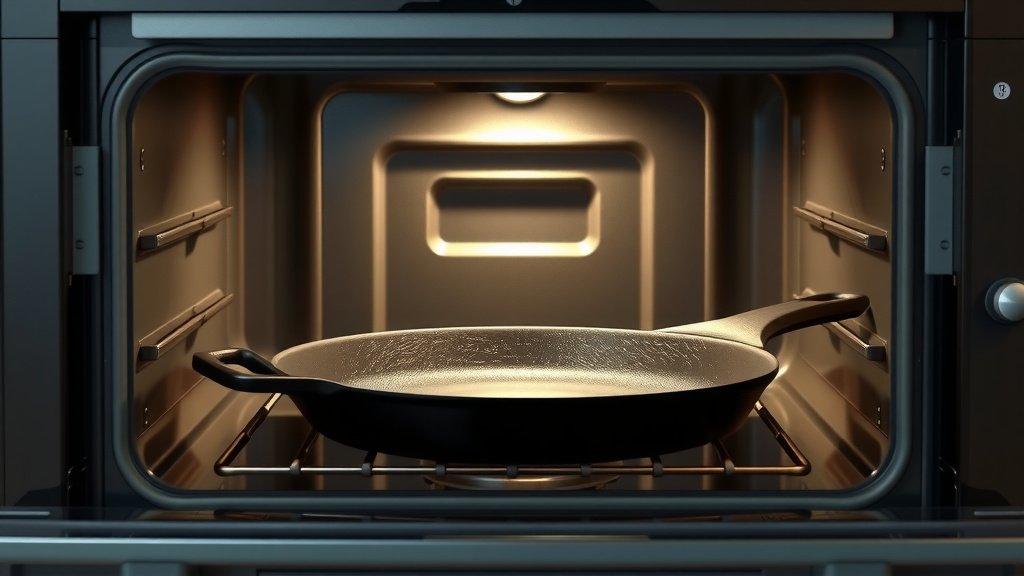
Yes, you can absolutely use cast iron in a gas oven without any issues. Cast iron cookware is extremely durable and designed to withstand the high temperatures found in all types of ovens, including gas models.
Using cast iron in a gas oven is a fantastic way to achieve even cooking and superior heat retention for many dishes, from roasts to baked goods.
TL;DR: Here’s the quick scoop on cast iron in gas ovens:
- Cast iron is perfectly safe for gas ovens.
- It offers excellent heat retention and even cooking.
- Always preheat your cast iron with the oven to prevent thermal shock.
- Proper seasoning protects your pan and creates a non-stick surface.
- Maintain good airflow around your pan for best results.
Can You Use Cast Iron In A Gas Oven?
Absolutely, using cast iron in a gas oven is not only possible but also a wonderful choice for many recipes. Your sturdy cast iron pan is built to handle the heat, offering reliable cooking performance.
Why Cast Iron Shines in the Oven
Cast iron truly excels at holding heat. Once it gets hot, it stays hot, making it ideal for baking and roasting. This means your food cooks evenly and develops a beautiful, crispy crust.
Many chefs choose cast iron for its ability to maintain a consistent temperature. Think of it as a little oven within your oven, providing steady warmth (Cook’s Illustrated).
Understanding Your Gas Oven’s Heat
Gas ovens often provide a moister heat compared to electric models. They heat up quickly, using an open flame at the bottom. This can sometimes create slight temperature variations, but your cast iron can handle it.
Knowing your oven’s quirks helps you get the most from your cookware. Gas ovens are known for excellent browning, which pairs beautifully with cast iron’s properties.
Is Cast Iron Safe at High Temperatures?
Cast iron is incredibly heat-resistant. It can comfortably withstand temperatures well above what most home ovens can reach. So, you don’t need to worry about damaging your pan in a hot gas oven.
We found that cast iron is virtually indestructible under normal cooking temperatures. Its melting point is much, much higher than any home oven setting (Lodge Cast Iron).
Preparing Your Cast Iron for Oven Use
Before placing your cast iron into the gas oven, ensure it’s well-seasoned. Seasoning is a layer of polymerized oil that protects the pan and creates a natural non-stick surface.
A well-seasoned pan makes cleanup easier and prevents food from sticking. It’s like giving your pan a protective coat before its oven adventure.
Seasoning Your Pan for Optimal Performance
To season, apply a thin layer of cooking oil, wipe off the excess, and bake upside down. This process creates that desirable non-stick surface over time.
Many experts say consistent seasoning is the secret to a long-lasting cast iron pan. It’s a simple step that pays off big (America’s Test Kitchen).
Managing Temperatures for Best Results
Always preheat your cast iron pan along with your gas oven. This prevents sudden temperature changes that could potentially warp or crack your pan, though this is rare.
Allowing the pan to heat gradually ensures even cooking. Imagine dipping your toe into a warm bath versus a freezing one – gradual is always better for your pan.
Tips for Even Heating in Your Gas Oven
- Place your cast iron on a middle rack for balanced heat.
- Avoid extreme temperature shifts; don’t put a cold pan into a super hot oven.
- Give your oven enough time to fully preheat before adding food.
- Consider using an oven thermometer to verify internal temperatures.
Comparing Oven Types with Cast Iron
While cast iron works well in both, gas and electric ovens have slight differences. Gas ovens can sometimes have “hot spots” due to the flame, but cast iron’s even heat distribution helps minimize this.
Electric ovens generally offer more consistent heat, while gas ovens might provide better browning. Your cast iron adapts beautifully to either environment.
| Feature | Gas Oven | Electric Oven |
|---|---|---|
| Heat Source | Open flame | Electric coil |
| Heat Type | Often moister heat | Drier, more consistent heat |
| Browning | Excellent | Good, but can be less intense |
| Cast Iron Performance | Handles well, aids even heat | Handles well, consistent results |
Practical Solutions for Cooking
For searing meats before roasting, cast iron in a gas oven is a dream team. You get a perfect crust on the stovetop, then transfer it directly to the oven.
Baking bread, casseroles, or even desserts in cast iron gives them a lovely texture. The even heat from the pan helps everything cook thoroughly.
Watch Out For These Points
Always use oven mitts when handling hot cast iron. It retains heat for a long time, and those handles get incredibly hot. Safety first, right?
Be mindful of what you’re cooking. Highly acidic foods, like tomato sauce, cooked for a long time can sometimes strip the seasoning from your pan (Serious Eats).
Cleaning and Caring for Your Pan
After using your cast iron in the oven, let it cool down gradually. Clean it with hot water and a stiff brush, avoiding harsh soaps that can strip seasoning.
Dry your pan immediately and thoroughly after washing. Then, apply a very thin layer of oil before storing it to prevent rust. It’s a small step that keeps your pan happy.
Safety Checklist for Your Gas Oven and Cast Iron
Keeping safety in mind ensures a pleasant cooking experience every time. A quick check helps prevent mishaps.
- Use oven mitts: Always assume the handle is hot.
- Preheat gradually: Avoid sudden temperature changes.
- Ensure good seasoning: Protects your pan and food.
- Check for wobbles: Make sure your pan is stable on the rack.
- Allow airflow: Don’t overcrowd the oven with too many pans.
- Proper storage: Keep it dry to prevent rust.
Conclusion
Using cast iron in a gas oven is a fantastic and safe cooking method that truly enhances your dishes. Its ability to retain and distribute heat evenly makes it a kitchen workhorse.
By following a few simple tips for preheating, seasoning, and care, you’ll find your cast iron performs wonderfully. So go ahead, confidently place that sturdy pan in your gas oven and enjoy the delicious results!
Frequently Asked Questions About Cast Iron in a Gas Oven
Can I put a cold cast iron pan directly into a hot gas oven?
It’s best to avoid placing a cold cast iron pan directly into a preheated, very hot gas oven. Gradually preheating the pan with the oven helps prevent thermal shock, which, while rare, could stress the metal. A warm pan ensures more even cooking too.
Will the gas flame harm my cast iron pan’s seasoning?
No, the gas flame itself will not harm your cast iron pan’s seasoning. The seasoning is a layer of polymerized oil that has bonded to the metal at high temperatures. The oven’s heat will only reinforce this layer over time, as long as you maintain it properly.
Are there any specific dishes that cook better in cast iron in a gas oven?
Many dishes truly shine when cooked in cast iron in a gas oven. Roasts that need a good sear and then slow cooking, cornbread with a crispy crust, deep-dish pizzas, and even certain cakes or fruit crumbles benefit from the consistent, even heat cast iron provides. The gas oven’s browning capabilities are a bonus!
How do I prevent my cast iron from smoking in the gas oven?
Smoking usually happens when excess oil is on your cast iron pan. To prevent this, always wipe off any visible excess oil after seasoning or oiling your pan. A very thin, almost invisible, layer is all you need. If it still smokes, your oven might be a little too hot for the oil you’re using, or there’s some food residue burning off.
Does the type of gas (natural gas vs. propane) matter for cast iron use?
No, the type of gas used in your oven (natural gas or propane) does not matter for cast iron use. Both types of gas provide the heat needed for cooking, and cast iron performs consistently regardless of the specific fuel source. Your pan cares about the temperature, not the fuel.