
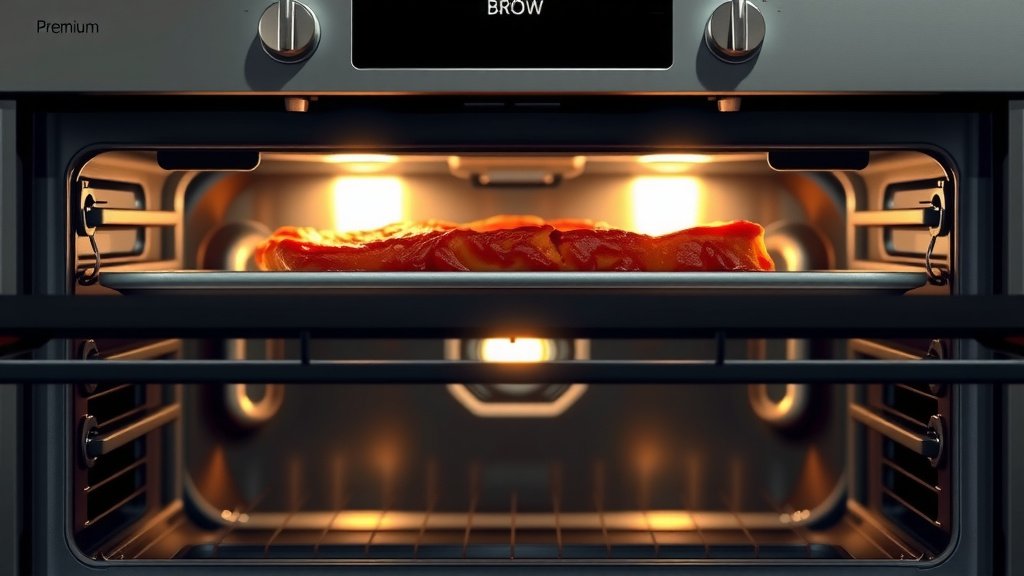
The broil setting on a gas oven delivers intense, direct heat from the top, much like an upside-down grill, designed to brown, crisp, or caramelize foods quickly. It uses the oven’s topmost burner to produce high radiant heat, perfect for achieving a delicious sear or bubbly finish.
The broil setting focuses a powerful flame directly onto your food, making it ideal for rapid cooking tasks that need a crispy exterior without overcooking the inside.
- The broil setting uses an intense, direct top-down heat source in your gas oven.
- It’s perfect for quickly browning, searing, or crisping the surface of foods.
- Always keep a close eye on your food while broiling to prevent burning.
- Proper rack positioning is key for safe and effective broiling results.
- Think of it as an indoor grill, designed for fast, high-heat cooking.
What Is The Broil Setting On A Gas Oven?
The broil setting on your gas oven is a powerful cooking tool that directs heat from the top burner downwards onto your food. It’s designed for high-heat, short-duration cooking that creates a beautiful crispy texture. We found that it acts like a reverse grill, applying immediate and intense heat.
Understanding How Your Gas Broiler Works
When you turn your gas oven to broil, you are activating the burner located at the top of the oven cavity. This burner ignites, producing a direct flame that radiates heat downwards. Unlike baking, which uses indirect, circulating heat, broiling uses this direct, intense thermal energy. Many experts explain this as a rapid browning process.
The Science Behind Intense Heat
This high-temperature exposure creates a chemical reaction called the Maillard reaction, which gives food a rich, savory flavor and an appetizing brown crust. It’s the same reaction you see when searing meat or toasting bread. We found that temperatures can reach upwards of 500-550°F very quickly (Appliance Industry Guide).
When Should You Use the Broil Setting?
You should use the broil setting when you want to brown, crisp, or sear the surface of your food in a short amount of time. It’s not meant for cooking food all the way through, but rather for finishing touches. Do you want golden-brown cheese on your lasagna? Broil is your friend.
Perfect for Searing Meats
Broiling is excellent for searing thin cuts of meat like steaks, chops, or fish fillets. It creates a beautiful crust while keeping the inside juicy. Research often suggests that a quick sear under the broiler locks in flavor.
Great for Finishing Dishes
Think about melting cheese on nachos, caramelizing the top of a crème brûlée, or toasting bread for bruschetta. The broiler provides that instant finishing touch. It gives a lovely golden-brown crispness that looks and tastes delicious.
Key Tips for Safe Broiling in Your Gas Oven
Broiling is powerful, so it requires your full attention. It’s easy to go from perfectly browned to burnt in a matter of seconds. Safety and careful technique are important for great results.
Rack Position Matters
The distance between your food and the broil burner is critical. For quick browning, place your food on a higher rack position, closer to the heat. For thicker items that need more cooking time, move the rack lower. Many culinary schools teach that this is the most important variable.
Preheating for Best Results
Always preheat your broiler for about 5-10 minutes before adding food. This ensures the burner is at full intensity and the entire oven cavity is hot. A hot broiler cooks evenly from the start, preventing uneven browning.
Never Walk Away
Broiling is not a set-it-and-forget-it cooking method. Food can burn very quickly, so stay nearby and watch it constantly. It’s like watching popcorn; things can change fast.
Gas Broiler vs. Electric Broiler: What’s the Difference?
While both gas and electric broilers aim to deliver intense top-down heat, their mechanisms differ. Understanding these differences can help you adapt your cooking. We found that each has its own feel.
| Feature | Gas Broiler | Electric Broiler |
|---|---|---|
| Heat Source | Open flame from a gas burner | Red-hot electric heating coil |
| Heat Intensity | Often more immediate and intense | Consistent, steady radiant heat |
| Preheat Time | Usually faster to reach full heat | May take slightly longer to glow fully |
| Moisture Impact | Can dry out food a bit faster due to open flame | Less moisture loss, can be gentler |
Common Broiling Mistakes to Avoid
Broiling can be intimidating, but avoiding a few common pitfalls will make you a pro. We found that many beginners make similar errors. Here’s a quick checklist to help you.
- Forgetting to preheat the broiler.
- Leaving food unattended, even for a moment.
- Using a glass dish; it can shatter under high heat.
- Not lining the pan, causing difficult cleanup.
- Broiling too close or too far from the heat source.
- Not flipping food when needed for even cooking.
Cleaning Up After Broiling
Broiling can sometimes cause splatters and drips, especially with greasy foods. It’s a good idea to line your broiler pan with foil for easier cleanup. After the oven cools, wipe down any splatters promptly. Many appliance care guides recommend immediate action.
Dealing with Smoke
Sometimes broiling can produce smoke, especially if fats drip onto the hot burner. Ensure your kitchen is well-ventilated, perhaps by opening a window or turning on your range hood. A little smoke is normal, but excessive smoke means something might be burning.
Conclusion
The broil setting on your gas oven is a powerful and versatile tool for achieving delicious, crispy finishes on a wide variety of foods. By understanding how it works and following a few simple guidelines, you can master this high-heat cooking method. Remember to always stay vigilant and adjust your rack position for the best results. You’ll soon be enjoying perfectly seared meats and beautifully browned dishes, all thanks to your gas oven’s broiler.
FAQs
How do I turn on the broil setting on my gas oven?
To turn on the broil setting, you typically turn your oven’s temperature knob to the “Broil” setting, which might be indicated by a flame icon or a specific temperature range. Some modern ovens have a dedicated broil button. Always consult your oven’s user manual for precise instructions, as models vary.
Can I use any pan under the broiler?
No, you should only use oven-safe and broiler-safe pans. Metal pans, especially cast iron or aluminum broiler pans, are ideal. Avoid using glass, ceramic, or non-stick pans that aren’t specifically rated for broiler use, as they can crack, warp, or release fumes under the intense direct heat.
Why is my food burning so quickly under the broiler?
Food often burns quickly under the broiler if it’s placed too close to the heat source, the broiler is too hot (often from improper preheating), or you’re simply not watching it closely enough. Try moving your oven rack further away from the top burner and keep a constant eye on your food, flipping it as needed.
Do I need to leave the oven door open when broiling?
Some older gas oven models actually recommend leaving the oven door slightly ajar when broiling to prevent the broiler from cycling off due to excessive heat buildup. However, many newer gas ovens are designed to broil with the door closed. Always check your oven’s manual to confirm the correct procedure for your specific model.
What kind of foods are best suited for broiling?
Broiling is best for thin cuts of meat like steaks, chicken breasts, fish fillets, and pork chops. It’s also excellent for quickly melting cheese on dishes like gratins, nachos, or French onion soup, and for toasting bread, caramelizing fruit, or crisping vegetables. Think foods that benefit from a quick, intense burst of heat to their surface.
