
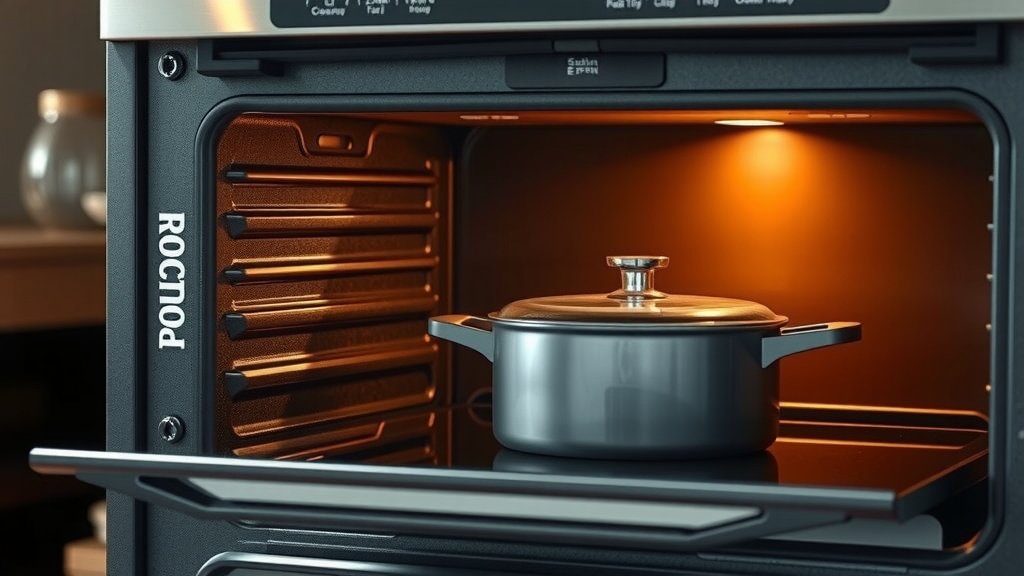
Yes, you can absolutely use a Dutch oven inside an electric oven for many cooking tasks. Most Dutch ovens are designed to withstand high oven temperatures safely.
This kitchen powerhouse works wonderfully for braising, baking bread, and slow cooking in your electric oven, bringing consistent heat distribution.
Here’s a quick overview of what you’ll find in this guide:
- Most Dutch ovens are safe for electric oven use.
- Always check your specific Dutch oven’s heat resistance.
- Enamel coatings often have a lower maximum temperature.
- Bare cast iron can typically handle very high heat.
- Dutch ovens excel at even cooking and keeping food moist.
Can You Use Dutch Oven Inside Electric Oven?
Yes, you can confidently use your Dutch oven in an electric oven. This classic cookware is perfectly suited for oven baking and roasting, offering superb heat retention.
Think of it as a perfect partner for consistent, delicious results. Many home cooks consider their Dutch oven essential for oven-based recipes.
Why Dutch Ovens Shine in Electric Ovens
Electric ovens offer a stable, dry heat environment. A Dutch oven, with its heavy construction, helps distribute that heat incredibly evenly.
This means no more burnt edges or undercooked centers for your casseroles or roasts. The thick walls hold onto heat, creating a mini, consistent oven within your oven (Culinary Institute of America research often points to this benefit).
Plus, the tight-fitting lid traps steam. This self-basting action keeps your food moist and tender, especially for slow-cooked dishes.
Understanding Your Dutch Oven’s Materials
Not all Dutch ovens are identical. Their material greatly impacts how you use them in your electric oven. Knowing your pot helps you cook better.
You want to be sure you respect its specific limits. This helps your cookware last a long time, too.
Bare Cast Iron Strength
Bare cast iron Dutch ovens are true workhorses. They can handle extremely high temperatures.
These pots are essentially pure iron, often seasoned with oil. Many experts say they are safe for virtually any oven temperature you’d use at home (Good Housekeeping research).
Just remember that the seasoning can break down at very high heats, sometimes requiring re-seasoning.
Enamel Coating Care
Enamel-coated Dutch ovens are popular for their beauty and ease of cleaning. However, the enamel has a temperature limit.
Most enamel Dutch ovens are safe up to 450-500°F (232-260°C). Exceeding this can damage the coating, causing it to crack or discolor.
Always check your specific brand’s instructions. This is a vital step for keeping your pot in top condition.
Temperature Limits: What You Need to Know
The biggest factor when using your Dutch oven is its maximum safe temperature. This varies by manufacturer and material.
It’s like driving a car; you wouldn’t push it beyond its design limits. Your Dutch oven deserves similar respect.
Checking the Manufacturer’s Guide
Always consult your Dutch oven’s user manual or the manufacturer’s website. This information is key.
We found that companies like Le Creuset and Staub clearly list their temperature ratings. Typically, the knob on the lid also has a heat limit.
If your knob is plastic or phenolic, it might have a lower heat tolerance than the pot itself. Consider swapping it for a metal one for higher temps.
Tips for Optimal Dutch Oven Use in an Electric Oven
Using your Dutch oven is straightforward, but a few tips make it even better. You’ll get more consistent and delicious results every time.
These small actions protect your pot and improve your cooking experience. We want your dishes to turn out perfectly.
Preheat Like a Pro
For recipes like no-knead bread, preheating your empty Dutch oven in the electric oven is often recommended. This creates a super-hot surface for baking.
Always place the empty pot into a cold oven, then bring it up to temperature. Adding a cold pot to a hot oven can risk thermal shock (many cookware experts caution against this).
Mind the Lid
The lid is essential for trapping moisture and creating an ideal cooking environment. For some recipes, you might keep the lid on for most of the cooking time.
For browning, you may remove the lid for the last part of cooking. This lets moisture escape and helps crisp up the food, giving you that lovely crust.
What Can You Cook? A World of Possibilities
Your Dutch oven in an electric oven opens up so many cooking avenues. It’s incredibly versatile.
From hearty stews to artisan bread, you’ll find endless recipes. It truly becomes a go-to piece of cookware.
- Braised Meats: Think tender pot roasts, short ribs, or coq au vin.
- Soups and Stews: Slow simmering develops deep flavors beautifully.
- No-Knead Bread: The Dutch oven creates a steamy environment, mimicking a baker’s oven.
- Casseroles: Lasagnas, gratins, and baked pasta dishes cook evenly.
- Roasts: Small chickens or root vegetables roast perfectly, staying moist inside.
Potential Pitfalls and How to Avoid Them
While generally safe, there are a couple of things to watch out for. Knowing these can save you trouble and protect your cookware.
You want to enjoy cooking, not worry about damaging your beloved pot or oven. A little knowledge goes a long way.
Thermal Shock Warning
Avoid sudden temperature changes with your Dutch oven. Dropping a very hot pot into cold water, or putting a cold pot into a super hot oven, can cause cracks.
This is especially true for enamel-coated pots. Let the pot cool down gradually before washing, and always preheat with the oven (Cook’s Illustrated advises this).
Cleaning After Use
Allow your Dutch oven to cool completely before washing. For bare cast iron, follow seasoning guidelines.
For enamel, use warm, soapy water and a soft sponge. Avoid abrasive cleaners or steel wool, which can scratch the surface.
Dutch Oven Oven Readiness Checklist
Before you place your Dutch oven in the electric oven, quickly run through this list:
- Is your Dutch oven clean and dry?
- Have you checked its maximum temperature rating?
- Is the lid knob oven-safe for your recipe’s temperature?
- Are you preheating the pot with the oven, if required?
- Is the oven rack positioned correctly for your dish?
- Are you using oven mitts for safe handling?
Here’s a quick comparison of two common Dutch oven types:
| Feature | Bare Cast Iron Dutch Oven | Enamel Coated Dutch Oven |
|---|---|---|
| Max Oven Temperature | Typically 500-600°F+ (260-315°C+) | Usually 450-500°F (232-260°C) |
| Maintenance | Requires seasoning, rust prevention | Easier to clean, no seasoning needed |
| Appearance | Rustic, dark gray/black finish | Wide range of colors, glossy finish |
| Acidic Foods | Can react, may strip seasoning | Resistant to acidic ingredients |
| Thermal Shock | Less prone, but still avoid extremes | More susceptible to cracking |
Conclusion
Using a Dutch oven in an electric oven is a fantastic way to elevate your cooking. You get the benefit of stable, even heat and excellent moisture retention.
By simply understanding your pot’s material, checking its temperature limits, and following a few basic tips, you’re set for culinary success. Go ahead and unlock a world of delicious braises, stews, and freshly baked bread!
Frequently Asked Questions About Dutch Ovens in Electric Ovens
Can I put a cold Dutch oven directly into a hot electric oven?
It’s best to avoid placing a cold Dutch oven directly into a very hot electric oven. This sudden change in temperature, known as thermal shock, can cause your pot, especially enamel-coated ones, to crack. Always preheat your Dutch oven gradually with the oven for best results.
What’s the best temperature range for cooking with a Dutch oven in an electric oven?
The best temperature range depends entirely on your recipe. However, most common Dutch oven recipes, like stews, roasts, or bread, typically call for temperatures between 325°F and 475°F (160°C to 245°C). Always stay within your specific Dutch oven’s manufacturer-recommended maximum heat limit.
Does the size of the Dutch oven matter for electric oven use?
Yes, the size matters for proper air circulation in your electric oven. Make sure your Dutch oven isn’t so large that it touches the oven walls or crowds other items. Allowing some space around the pot helps ensure even cooking and efficient heat distribution inside the oven.
Can I use a Dutch oven on a glass-top stove and then transfer it to an electric oven?
Yes, you can typically use a Dutch oven on a glass-top stove (check for compatibility, as some very rough cast iron might scratch it) and then transfer it to an electric oven. Just be mindful of the heat transfer. Use oven mitts and place it carefully to avoid sudden temperature shifts or dropping it.
How do I prevent my food from sticking in an electric oven Dutch oven?
To prevent sticking, ensure you use enough oil or fat to coat the bottom and sides of the Dutch oven. For bare cast iron, proper seasoning is key. For both types, avoid cooking at excessively high temperatures for too long without enough liquid, and make sure to deglaze the pot if you’re layering ingredients after searing.
