An electric oven element typically cannot be repaired; it almost always requires a full replacement when it fails.
Attempting to repair a damaged electric oven element is often unsafe and unreliable, making replacement the standard, recommended solution.
- Replacing a faulty oven element is almost always safer and more effective than attempting repairs.
- DIY replacement is possible but needs careful safety precautions and finding the correct part.
- Professional installation ensures safety and proper function, giving you peace of mind.
- Costs vary, but replacement is generally more economical than continuous repair attempts or risking further damage.
- Always disconnect power to your oven before beginning any inspection or work.
Can Electric Oven Element Be Repaired Not Replaced?
No, an electric oven element is rarely repairable. It’s designed as a single, sealed unit, and damage usually means it needs a complete replacement for safety and proper function.
Understanding Your Oven Element’s Job
Your oven’s heating element is a vital component. It’s essentially a metal tube containing a wire coil. Electricity flows through this coil, generating heat to cook your food. This heating process is what makes your oven work.
When you set a temperature, the element glows red. This visible glow means it is working hard. Its robust design allows it to handle extreme heat cycles regularly.
Why Repair Isn’t a Practical Option
Think of the heating element like a light bulb. Once the filament inside breaks, you don’t try to splice it back together. You replace the bulb. Oven elements work on a similar principle, just on a much larger scale.
We found that the internal wire, often made of a nickel-chromium alloy, can crack or break. This usually happens from repeated heating and cooling cycles. Once this internal wire breaks, the element stops heating.
What Happens When an Element Fails?
When an electric oven element fails, the electrical circuit inside breaks. This means electricity cannot flow through it anymore. You might see a visible crack, a bulge, or even a small hole on the element’s surface.
Sometimes, a faulty element might create sparks or a burning smell. These are clear signs that something is wrong. Trying to fix these issues can be incredibly risky. Many experts advise against any attempts at repair (Electrical Safety Foundation International guidelines).
The Risks of DIY Element Repair
Attempting to repair a damaged oven element carries significant dangers. You are dealing with high voltage electricity. Incorrect repairs could lead to electrical shock or even a house fire.
An improperly repaired element might not heat evenly or safely. This could ruin your food or damage other oven components. For these reasons, replacing the element is always the safest path.
Spotting a Faulty Electric Oven Element
How do you know if your oven element is actually the problem? There are a few clear signs. Catching these early can save you frustration and wasted cooking time.
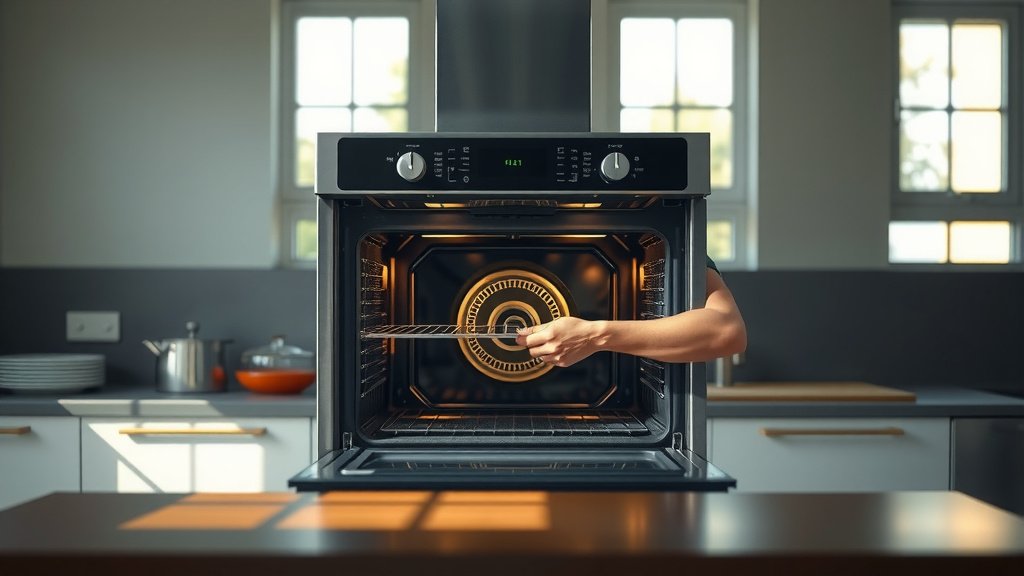
Look inside your oven carefully. A visual inspection can reveal a lot. You might see obvious damage, or perhaps no glow at all.
Common Signs to Watch For
- The oven doesn’t heat up at all.
- The oven heats unevenly, with some spots colder than others.
- You see visible cracks, blisters, or holes on the element.
- The element doesn’t glow red when the oven is on.
- There’s a strong smell of burning plastic or metal.
- The oven frequently trips your circuit breaker.
Is DIY Replacement for You?
Replacing an oven element yourself is a common home repair. It’s often simpler than you might think. But it requires attention to detail and a commitment to safety. You will need a few basic tools and some patience.
Many homeowners successfully replace their oven elements. However, if you are uncomfortable with electrical work, calling a professional is always best. Don’t push your comfort zone with electricity.
Safety First, Always
Before you touch anything inside your oven, disconnect its power. This means unplugging it from the wall. If it’s hardwired, turn off the circuit breaker that controls your oven. This step is non-negotiable for your safety.
Wearing insulated gloves is also a good idea. Always double-check that the power is off before starting. A simple voltage tester can confirm this for you.
Finding the Perfect Replacement Part
Not all oven elements are the same. You need a replacement that matches your oven’s make and model precisely. Check your oven’s user manual or the manufacturer’s website. You’ll likely need the model number.
An exact match ensures proper fit and function. Using the wrong part could cause further damage or create a safety hazard. We found that generic parts often lead to more problems (Consumer Reports).
Step-by-Step Replacement Overview
Once you have your new element and have disconnected power, the process is fairly straightforward:
- Remove the oven racks.
- Locate the screws holding the old element in place.
- Carefully unscrew and pull the old element forward.
- Disconnect the two wires attached to the old element.
- Attach the wires to your new element.
- Slide the new element into place and secure it with screws.
- Test the oven to ensure it heats correctly.
When to Call the Oven Pros
Sometimes, DIY just isn’t the right answer. If you’re unsure at any point, or if the repair seems more complex, don’t hesitate. A professional appliance technician can help. They have the tools and expertise.
Calling a pro might cost a bit more upfront. But it guarantees the job is done safely and correctly. This can save you from potential damage or injury down the road.
Benefits of Professional Installation
A certified technician understands your oven’s wiring. They can diagnose underlying issues beyond just the element. Plus, they often provide a warranty on their work, giving you extra peace of mind.
They can also ensure your oven is functioning at peak efficiency. This might help lower your energy bills. It’s a small investment for long-term kitchen comfort.
Cost Breakdown: Repair vs. Replace
Trying to repair an element yourself might seem cheaper, but it’s often a false economy. The reality is, replacement parts are usually very affordable. Labor costs vary widely.
| Action | Typical Cost (DIY) | Typical Cost (Professional) |
|---|---|---|
| Element Replacement Part | $30 – $100 | $30 – $100 (part only) |
| Labor & Service Call | $0 | $100 – $300 |
| Total Estimated Cost | $30 – $100 | $130 – $400 |
As you can see, a DIY replacement can be quite cost-effective. However, factoring in professional expertise makes sense for many people. It’s about weighing your skills against your budget.
Extending Your Oven Element’s Life
While you can’t prevent every element failure, you can take steps to prolong its life. Gentle use and proper care go a long way. Treat your oven with respect, and it will serve you well.
Consider these simple tips:
- Avoid harsh cleaners directly on the element. Residue can cause hot spots.
- Do not scratch or poke the element. This can damage the outer casing.
- Preheat your oven gradually. Extreme temperature shocks might stress the element.
- Clean spills promptly. Baked-on food can sometimes stick and cause issues.
- Ensure proper ventilation. Overheating can wear down components faster.
- Follow manufacturer cleaning instructions. Self-cleaning cycles can be hard on elements; use them sparingly.
Conclusion
When your electric oven element stops working, replacement is almost always the answer. Attempting to repair it isn’t safe or reliable. You have options: a confident DIY approach or hiring a skilled professional. Both paths ensure your oven returns to safe, effective operation. Always prioritize safety, disconnect power, and find the correct replacement part. A functional oven makes your kitchen a happy place!
How do I know if my oven element is completely dead?
If your oven element is completely dead, it typically won’t glow red at all, even after the oven has been preheating for a while. You might also notice that the oven stays cold or only gets lukewarm, failing to reach the set temperature.
Can I use my oven if one element is broken?
Using an oven with a broken element is generally not recommended. It can lead to uneven cooking, longer preheating times, and potentially trip your circuit breaker. More importantly, if the element is sparking or visibly damaged, it could pose a fire hazard.
How long do electric oven elements typically last?
Electric oven elements usually last between 5 to 10 years, depending on usage frequency and how well the oven is maintained. Heavy use, frequent temperature changes, and accidental damage can shorten their lifespan.
Is it difficult to replace an oven element myself?
Replacing an oven element is considered a relatively easy DIY task for most homeowners with basic tool knowledge. The most crucial steps involve ensuring the power is completely off and correctly connecting the new element’s wires. If you follow safety guidelines, it can be done quickly.
Does a faulty oven element affect my electricity bill?
Yes, a faulty oven element can affect your electricity bill. If the element is partially working, the oven might struggle to reach or maintain the set temperature, leading it to draw more power for longer periods. This inefficiency translates to higher energy consumption.