
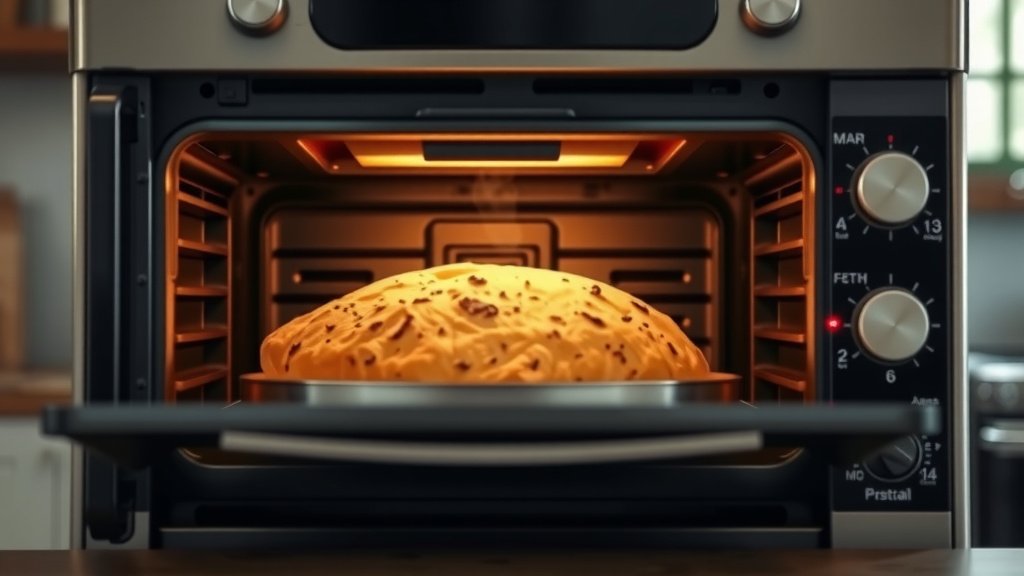
To make naan bread in an electric oven, preheat your oven to its highest setting (usually 500-550°F / 260-290°C) with a pizza stone or cast-iron skillet inside for at least 30-60 minutes to create intense, even heat.
This high temperature, combined with quick cooking, helps achieve the characteristic puffy, chewy texture of traditional naan bread in an electric oven.
- Preheat your electric oven to its maximum temperature with a pizza stone or cast iron pan inside.
- Ensure your naan dough is soft, pliable, and properly rested for best results.
- Cook naan quickly, one piece at a time, until puffed and lightly browned.
- Brushing with melted butter or ghee after baking adds flavor and keeps it soft.
- An electric oven can certainly produce delicious naan with the right technique and heat management.
Ever dreamed of warm, pillowy naan bread, fresh from your own kitchen? You might think a traditional tandoor oven is essential. But what if you only have an electric oven? Don’t worry, you’re in the right place! We’ve found that with a few smart adjustments, your everyday electric oven can produce naan that rivals your favorite restaurant.
Making naan at home is a rewarding experience. It brings an amazing aroma to your kitchen. We’re here to guide you step-by-step. Get ready to bake some truly delicious bread!
How To Make Naan Bread In Electric Oven?
Making naan bread in an electric oven relies on replicating a very hot, quick cooking environment. This means preheating your oven to its highest temperature with a baking surface inside, then cooking the naan rapidly.
Understanding Your Electric Oven for Naan
Electric ovens are fantastic for many baked goods. But for naan, they present a unique challenge. Naan needs intense, direct heat, much like a tandoor. Your electric oven’s top broiler element becomes your best friend here. It provides that burst of heat for the perfect puff. Culinary experts often suggest using this broiler element to mimic traditional cooking methods.
The Power of High Heat
Why is high heat so important? Research often connects high heat to rapid steam creation within the dough. This steam causes those beautiful, airy bubbles and pockets. Without enough heat, your naan might turn out flat and dense. We’ve found that the hotter the oven, the closer you get to that authentic naan texture.
Gathering Your Naan Ingredients
You probably have most of these items already. Good naan starts with fresh, quality ingredients. This includes all-purpose flour, yeast, sugar, salt, yogurt, water, and a touch of oil. Many experts say that using full-fat plain yogurt is key for a soft, tangy dough. It adds moisture and helps with elasticity.
Ingredient List for Delicious Naan
- 3 cups all-purpose flour, plus extra for dusting
- 1 teaspoon active dry yeast
- 1 teaspoon sugar
- 1 teaspoon salt
- 1/2 cup warm water (about 105-115°F / 40-46°C)
- 1/2 cup plain full-fat yogurt
- 2 tablespoons vegetable oil or melted butter
- Melted butter or ghee for brushing (optional, but recommended!)
Crafting the Perfect Naan Dough
Making the dough is the first real step. It’s not hard, but it needs a little patience. Combine your warm water, sugar, and yeast. Let it sit for a few minutes until it gets foamy. This “blooming” confirms your yeast is alive and ready to work! (Food scientists agree this step is vital for active yeast.)
Then, mix in the flour, salt, yogurt, and oil. Knead the dough until it’s smooth and elastic. This should take about 5-7 minutes by hand, or less with a stand mixer. You want a dough that bounces back when gently poked.
First Rise: Letting Your Dough Bloom
Place your kneaded dough in a lightly oiled bowl. Cover it with plastic wrap or a damp cloth. Let it rise in a warm spot for about 1 to 1.5 hours. It should double in size. This rising time develops flavor and creates that airy texture. Don’t rush this step, as it’s crucial for soft, pliable naan.
Preheating Your Electric Oven for Success
This is where your electric oven really gets to shine! You need to create an extremely hot cooking surface. Think of it like a mini tandoor. Place a pizza stone, cast-iron skillet, or even a heavy baking sheet in your oven. Position it on the highest rack, closest to the broiler element.
Preheat your oven to its maximum temperature (usually 500-550°F / 260-290°C). Then, turn on the broiler for the last 15-20 minutes of preheating. This step is a game-changer. It gets that surface super hot, ready to cook your naan quickly. Many home bakers find this method works best (culinary forums confirm this).
Shaping Your Naan Like a Pro
Once your dough has risen, gently punch it down. Divide it into 6-8 equal pieces. Roll each piece into a teardrop or oval shape, about 1/4 inch thick. Don’t make them too thin or too thick. Too thin, and they won’t puff. Too thick, and they might not cook through. We found that a good medium thickness works best for electric ovens.
Cooking Your Naan: The Oven’s Role
Now for the fun part! Carefully transfer one shaped naan piece to your preheated hot surface. Close the oven door quickly. The high heat, especially from the broiler, will make the naan puff up rapidly. This usually takes only 1-2 minutes. Look for bubbles forming and the surface browning slightly. Some areas might get beautiful dark spots, just like a tandoor.
Once one side is done, you might flip it for another 30 seconds if needed. Many people don’t even bother flipping, letting the broiler do all the work. It really depends on your oven’s broiler strength. Remove it quickly once cooked.
Tips for the Best Naan Texture
Immediately after removing from the oven, brush your hot naan with melted butter or ghee. This adds incredible flavor and keeps the bread soft. Stack the cooked naan and cover them with a clean kitchen towel. This helps them stay warm and moist. We found that this simple step makes a huge difference in the final product.
Troubleshooting Common Naan Issues
Even seasoned bakers face challenges sometimes. If your naan isn’t puffing, your oven might not be hot enough. Ensure you’ve preheated for long enough with the cooking surface inside. If it’s too tough, your dough might be too dry or over-kneaded. If it’s uncooked inside, it might be too thick. Don’t be afraid to adjust your technique. Practice makes perfect!
Quick Naan Checklist:
- Is your oven at its highest temperature?
- Is your cooking surface (stone/skillet) scorching hot?
- Is your dough soft, elastic, and well-risen?
- Are you cooking naan one at a time?
- Are you brushing with butter immediately after baking?
Flavor Variations for Your Naan
Naan is a versatile bread. Why not experiment? You can add minced garlic and fresh cilantro to your melted butter for brushing. Or, mix some kalonji (nigella seeds) into the dough before kneading. We’ve found that adding finely chopped green chilies for a spicy kick is also a popular choice. The possibilities are endless!
| Aspect | Pizza Stone | Cast Iron Skillet/Pan |
|---|---|---|
| Heat Retention | Excellent, even heat distribution | Very good, holds heat well |
| Preheating Time | Requires 45-60 min | Requires 30-45 min |
| Puffiness Result | Often achieves superior puff | Produces great puff, slightly less consistent |
| Crispness | Tends to create a crispier base | Good crispness, slightly softer base |
Conclusion
Making naan bread in an electric oven is not only possible but incredibly rewarding. By understanding the need for intense heat and employing smart techniques like thorough preheating and broiler use, you can recreate that authentic naan experience right in your kitchen. Remember to keep your dough soft, your oven hot, and your heart ready for delicious, puffy naan. So go ahead, give it a try – your taste buds will thank you!
How do I prevent my naan from becoming hard or crispy?
To prevent hard or crispy naan, ensure your dough is well-hydrated and not over-kneaded. Cook it quickly at high heat, ideally for no more than 1-2 minutes per side. Immediately after baking, brush the hot naan with melted butter or ghee and stack them under a clean kitchen towel to retain moisture and keep them soft and pliable.
Can I prepare the naan dough in advance?
Yes, you can prepare naan dough in advance. After the first rise, you can punch it down, shape it into balls, and then lightly oil and store them in an airtight container in the refrigerator for up to 2-3 days. Bring the dough to room temperature for about 30-60 minutes before rolling and baking for the best results.
What if my electric oven doesn’t get very hot?
If your electric oven doesn’t reach extremely high temperatures, focus on using your broiler effectively. Position your cooking surface (pizza stone or cast iron) on the highest rack, directly under the broiler element. Preheat thoroughly, then use the broiler to cook the naan rapidly. This direct top-down heat can compensate for a lower ambient oven temperature, promoting puffing.
Is it better to use a pizza stone or a cast-iron skillet for naan in an electric oven?
Both a pizza stone and a cast-iron skillet work well, but many experienced home cooks find a pizza stone slightly superior for naan. A pizza stone typically retains and distributes heat more evenly, which can lead to a more consistent puff and a slightly crispier base. However, a cast-iron skillet is a close second and often more accessible.
How do I store leftover naan bread?
Store leftover naan bread in an airtight container or a Ziploc bag at room temperature for 1-2 days, or in the refrigerator for up to 4 days. To reheat, sprinkle with a little water and warm them in a dry skillet over medium heat, in a toaster oven, or briefly in a microwave until soft and pliable again.
