
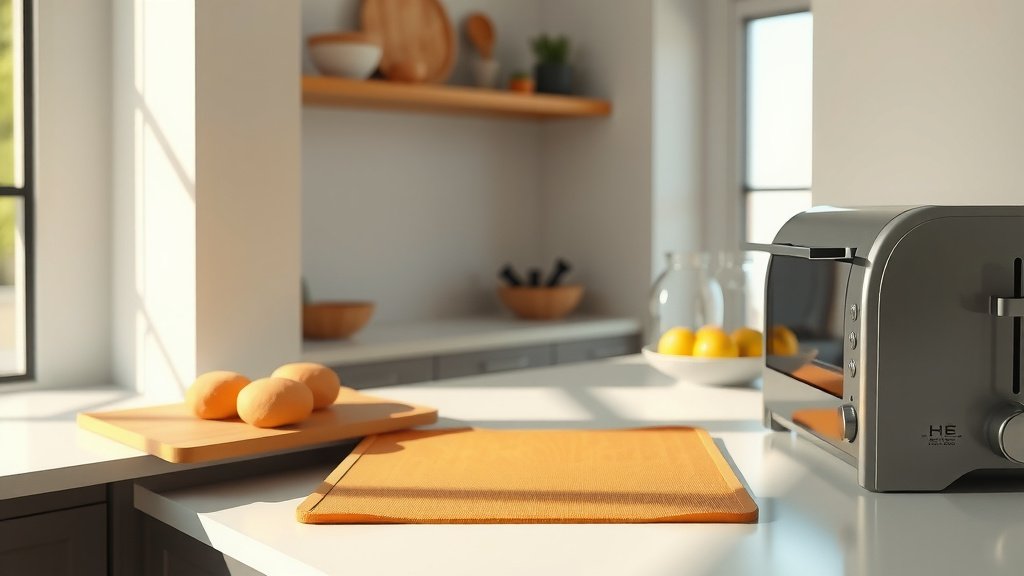
Yes, you absolutely can use silicone in a toaster oven, provided it’s food-grade silicone and rated for high temperatures.
Most quality silicone bakeware is designed to withstand typical oven temperatures, including those found in toaster ovens, making it a safe and convenient option.
- You can safely use food-grade silicone bakeware in your toaster oven.
- Always check your silicone product’s specific temperature rating; most handle up to 400-500°F.
- Silicone offers benefits like non-stick properties and even baking.
- Avoid direct contact with heating elements or sharp utensils.
- Proper cleaning ensures longevity and hygiene for your silicone items.
Can I Use Silicone In A Toaster Oven?
Many people ask if their favorite silicone bakeware is safe for smaller toaster ovens. The short answer is yes, you usually can. As long as your silicone product is food-grade certified and has a clear temperature rating, it should be fine.
Toaster ovens get hot, but quality silicone is made to take the heat. We found that most silicone bakeware is designed for temperatures up to 450°F or even 500°F (FDA guidelines). This range covers typical toaster oven settings for baking and roasting.
Why Choose Silicone for Toaster Ovens?
Silicone bakeware brings a lot to the table, especially for compact cooking spaces like toaster ovens. You might be surprised how much convenience it adds.
Silicone’s Heat Resistance
One of silicone’s big strengths is its ability to handle high temperatures. It’s like a trusty friend that doesn’t melt under pressure, or in this case, heat!
We found that its heat resistance makes it ideal for consistent baking. Your cookies or muffins will cook evenly without burnt edges (Good Housekeeping Institute). This means predictable results for your small-batch recipes.
Flexibility and Non-Stick Properties
Ever struggled to get a mini loaf out of a metal pan? Silicone makes that a distant memory. Its natural flexibility allows you to easily pop out baked goods without sticking.
This also means less fuss with greasing and flouring. Just a little preparation and your treats slide right out. It’s truly a game-changer for cleanup too, as things rarely stick stubbornly.
Understanding Silicone Safety
While silicone is generally safe, not all silicone is created equal. Knowing what to look for keeps your cooking worry-free.
Food-Grade Silicone Matters
Always check for “food-grade” on your silicone bakeware. This label means it’s made without harmful fillers and won’t leach chemicals into your food. Think of it as a quality assurance stamp for your kitchen.
Many experts say that genuine food-grade silicone is inert and stable. This means it won’t react with food or release odors (National Institutes of Health).
Temperature Limits Are Real
Every piece of silicone bakeware has a maximum temperature. Typically, this is around 400°F to 500°F. Your toaster oven might reach these highs, especially during broiling.
Always glance at the product’s packaging for its specific rating. Staying within these limits is key to keeping your silicone safe and long-lasting. Overheating can damage the material over time, even if it doesn’t melt instantly.
The Right Way to Use Silicone Bakeware
Using silicone in your toaster oven is simple, but a few tips can make your experience even better.
Prepping Your Silicone Molds
Even though silicone is non-stick, a light spray of cooking oil for the first use helps condition it. After that, you might not need to grease it every time.
When filling molds, place them on a small baking sheet or tray before putting them in the toaster oven. This makes them easier to handle and prevents spills, since silicone is quite flexible.
Placement in the Toaster Oven
Avoid letting silicone bakeware touch the toaster oven’s heating elements. Direct contact with extreme heat can potentially damage the silicone over time, or worse, cause odors.
Position your silicone items on the middle rack. This provides even heat distribution and keeps them safely away from the top and bottom elements. Good air circulation around the bakeware is also a plus for even baking.
What to Avoid When Using Silicone
Even though silicone is tough, there are a few things that can shorten its life or compromise its safety.
Sharp Objects and Open Flames
Be careful with knives or other sharp utensils directly on silicone. It can easily cut or tear, creating weak spots that could break down with heat.
Never place silicone directly on an open flame or stovetop burner. While it handles oven heat well, direct flame is too intense and will damage it quickly. This is common sense, right?
Silicone vs. Other Bakeware Materials
How does silicone stack up against traditional materials you might use in your toaster oven? Let’s take a look.
| Feature | Silicone | Metal | Glass |
|---|---|---|---|
| Heat Resistance | Excellent (up to 500°F) | Excellent (higher than silicone) | Good (can shatter if thermal shocked) |
| Non-Stick | Natural non-stick | Requires greasing/lining | Can stick if not greased |
| Flexibility | Highly flexible | Rigid | Rigid, brittle |
| Cleaning | Very easy, often dishwasher safe | Easy to moderate, scrubbing needed | Moderate, can require soaking |
| Weight | Lightweight | Moderate to heavy | Heavy |
Cleaning and Caring for Silicone
Keeping your silicone bakeware clean is simple and helps it last a long time. It usually doesn’t hold onto food residue.
Most silicone items are dishwasher safe. For hand washing, use warm, soapy water and a soft sponge. Avoid abrasive scrubbers, which can scratch the surface.
Sometimes, silicone can develop a slight oily film or smell over time. Research suggests that baking it at a low temperature for an hour (around 200°F) after a good wash can often help (Consumer Reports).
Signs It’s Time to Replace Your Silicone
Silicone is durable, but it won’t last forever. How do you know when it’s seen its last batch of brownies?
If your silicone bakeware becomes sticky, discolored, or shows any signs of melting or cracking, it’s time for a replacement. These are indicators that the material is breaking down and might not be safe to use anymore.
Checklist for Safe Silicone Use
- Confirm it’s food-grade silicone.
- Check the specific temperature rating.
- Keep it off direct heating elements.
- Use a baking sheet for stability.
- Avoid sharp objects and cuts.
- Clean it regularly after each use.
Conclusion
Using silicone in your toaster oven is a fantastic idea for many home cooks. It offers convenience, even baking, and easy cleanup, making your small-scale culinary adventures much more enjoyable.
By choosing food-grade products, respecting temperature limits, and following a few simple usage tips, you can enjoy all the benefits. So go ahead, bake those muffins, roast those veggies, and let silicone make your toaster oven cooking a breeze. You’ve got this!
Does silicone bakeware smell when heated in a toaster oven?
New silicone bakeware might have a slight odor during its first few uses in a toaster oven. This is usually harmless and dissipates over time. If the smell persists or is very strong, it might not be high-quality food-grade silicone.
Can silicone bakeware go under the broiler in a toaster oven?
Generally, it’s not recommended to put silicone directly under the broiler. Broiling elements deliver intense, direct heat that often exceeds the safe temperature limits of most silicone, leading to damage or melting.
How do I prevent my silicone molds from wobbling in the toaster oven?
The best way to prevent silicone molds from wobbling is to place them on a sturdy metal baking sheet or a small oven-safe tray before putting them into the toaster oven. This provides a stable base for the flexible silicone.
Is it true that silicone bakeware can sometimes stain?
Yes, silicone can sometimes absorb colors from highly pigmented foods like tomato sauce or turmeric, leading to stains. These stains are usually cosmetic and don’t affect the performance or safety of the bakeware.
Can I store food in silicone bakeware inside the refrigerator after baking?
Absolutely! Silicone is perfectly safe for refrigerator and freezer use. Its flexibility makes it easy to store and then easily remove frozen items, making it quite versatile for food storage after cooking.
