
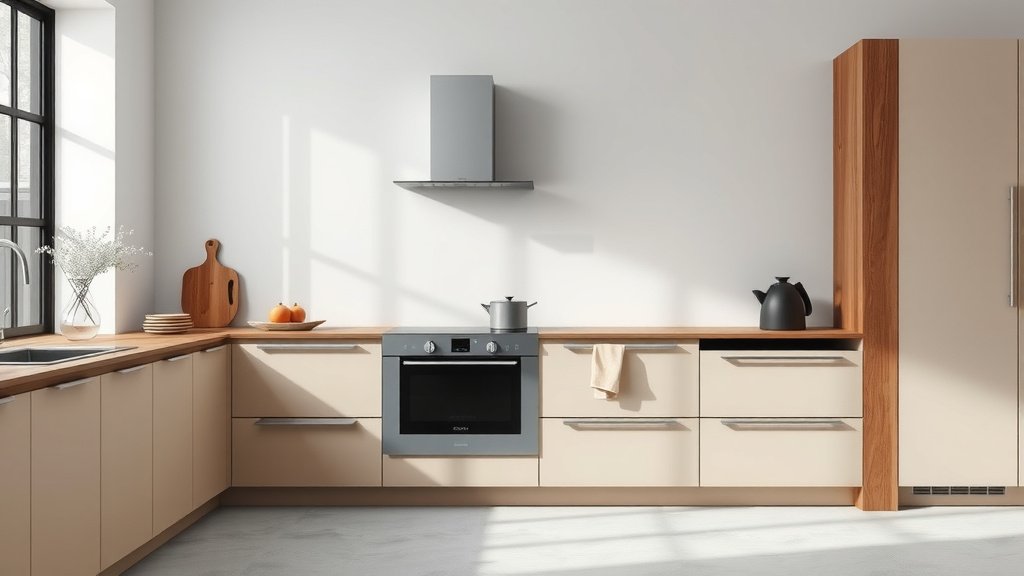
A single wall oven is a standalone baking unit installed directly into cabinetry, offering flexible kitchen design.
In contrast, a range oven combines the oven and cooktop into one integrated appliance, typically sliding into an existing cutout between cabinets.
- A single wall oven is just the oven, installed separately, giving you design freedom.
- A range oven bundles the oven and stovetop into one unit, saving space.
- Wall ovens offer ergonomic cooking heights and better kitchen flow.
- Ranges are often more budget-friendly initially and simpler to install as one piece.
- Your kitchen size, cooking habits, and desired aesthetic truly guide the best choice.
How Does A Single Wall Oven Differ From Range Oven?
A single wall oven is an independent oven unit built into your kitchen cabinets. A range oven combines both a cooktop and an oven into one cohesive appliance.
The main distinctions lie in their installation, kitchen footprint, and overall design integration.
What is a Single Wall Oven?
Imagine just the oven, separate from your stovetop. You build it right into your cabinetry, often at eye level. This provides tremendous design freedom for your kitchen.
What is a Range Oven?
Picture a standard stove; that’s a range oven. It’s a single unit combining the oven below and cooktop on top. It slides right between cabinets, creating one compact cooking station. It’s a classic choice.
Key Differences: Installation & Design
Placement and Flexibility
A single wall oven needs its own dedicated cabinet space. You choose its height, making baking more comfortable. This setup allows for separated cooking zones, ideal for custom layouts.
A range oven simply slides into a standard 30-inch opening. It’s a straightforward, all-in-one solution. This requires less remodeling, saving time and effort.
Aesthetics and Kitchen Flow
Wall ovens offer a sleek, built-in look, contributing to a modern kitchen feel. You can place your cooktop on an island, enhancing overall kitchen ergonomics. Designers often suggest this for a customized space.
Ranges provide a more traditional, unified aesthetic. They act as a single focal point, common in smaller or classic kitchen designs. They offer a timeless, integrated look without complex installations.
Ergonomics & Practicality
One huge benefit of a wall oven is height flexibility. Baking becomes easier when you don’t bend down. Research points to ergonomic placement helping with ease of use and safety (NIH studies).
With a range, you bend to load and unload the oven. Consider this if you bake often. The cooktop, however, stays at a standard, comfortable height for stirring.
Budget and Maintenance
Upfront Costs
Ranges are often more budget-friendly upfront. You buy one appliance for two jobs, which can reduce the initial purchase cost. This simplicity appeals to many homeowners.
A wall oven needs a separate cooktop and more cabinet work. The total project cost can be higher for a wall oven setup (we found), despite individual appliance costs.
Longevity and Repairs
If a range component breaks, the entire unit may need service. This could leave you without both cooking methods temporarily. Service calls for ranges often cover the whole appliance.
With a wall oven and separate cooktop, an oven issue means your cooktop still functions. This separation offers convenience during repairs, letting you keep cooking.
Performance & Cooking Capacity
Both oven types offer fantastic features like convection and self-cleaning. Modern appliances generally provide excellent cooking capabilities, regardless of their configuration.
Some premium wall ovens may offer more specialized features or larger capacities. They are not constrained by a cooktop. This can mean better insulation or advanced controls, many product reviews suggest.
Range ovens typically provide good, standard oven capacity. For a family of four or five, a range oven will likely serve you well. It’s about finding the right fit for everyday needs.
Which One Is For You? (Checklist & Table)
Here’s a quick guide to help you decide which oven might be your perfect kitchen companion.
Benefits of a Single Wall Oven
- Ideal for new kitchen designs or major remodels.
- Creates a sleek, modern, built-in look.
- Allows for comfortable, ergonomic cooking heights.
- Provides flexible kitchen layouts with a separate cooktop.
- Offers independent components for easier repair logistics.
Advantages of a Range Oven
- Excellent for replacing existing stoves with a straightforward swap.
- Optimal for limited kitchen space due to its combined unit.
- Generally fits a tighter appliance budget.
- Maintains a traditional, unified kitchen aesthetic.
- Simpler installation often requires fewer modifications.
Quick Comparison Table
Let’s put them side-by-side for a clear overview:
| Feature | Single Wall Oven | Range Oven |
|---|---|---|
| Installation | Built into cabinetry, separate from cooktop. | Slides into standard opening, combines cooktop & oven. |
| Aesthetics | Modern, integrated, flexible layout. | Traditional, unified look, single focal point. |
| Ergonomics | Adjustable height, less bending. | Oven requires bending, cooktop at standard height. |
| Cost | Often higher total project cost (oven + cooktop + cabinetry). | Generally lower initial purchase cost as one unit. |
| Repair Impact | One unit can fail, the other still works. | Unit failure may impact both oven and cooktop use. |
Conclusion
Choosing between a single wall oven and a range oven boils down to your kitchen’s unique layout, your cooking style, and your budget. Both options offer great ways to cook and bake your favorite dishes.
There’s no single “better” choice; only the best choice for you. Consider these insights, and select the appliance that truly enhances your culinary space and daily life. Happy cooking!
FAQs
Is a wall oven more efficient than a range oven?
Efficiency largely depends on the specific model and energy rating. Wall ovens, being built-in, might offer slightly better insulation. Always check the individual appliance’s energy guide.
Can I install a wall oven under a counter?
Yes, many single wall ovens are designed for under-counter installation. This provides a separate oven while keeping your cooktop above, offering layout flexibility distinct from a traditional range.
What are the typical dimensions for a single wall oven cutout?
Standard single wall ovens usually fit cabinet cutouts of 24, 27, or 30 inches wide. Always consult the specific product’s installation manual. Precise dimensions for height and depth vary.
Do wall ovens need a special electrical connection?
Most electric wall ovens require a dedicated 240-volt electrical circuit, similar to electric ranges. Gas wall ovens need a gas line. A qualified professional must ensure correct hookups for safety.
Is it more expensive to repair a wall oven or a range oven?
Repair costs for parts and labor can be similar. For a range, one service call covers both components. Separate wall ovens and cooktops might require separate diagnostics for different issues, impacting overall cost (as we found in common service reports).
