
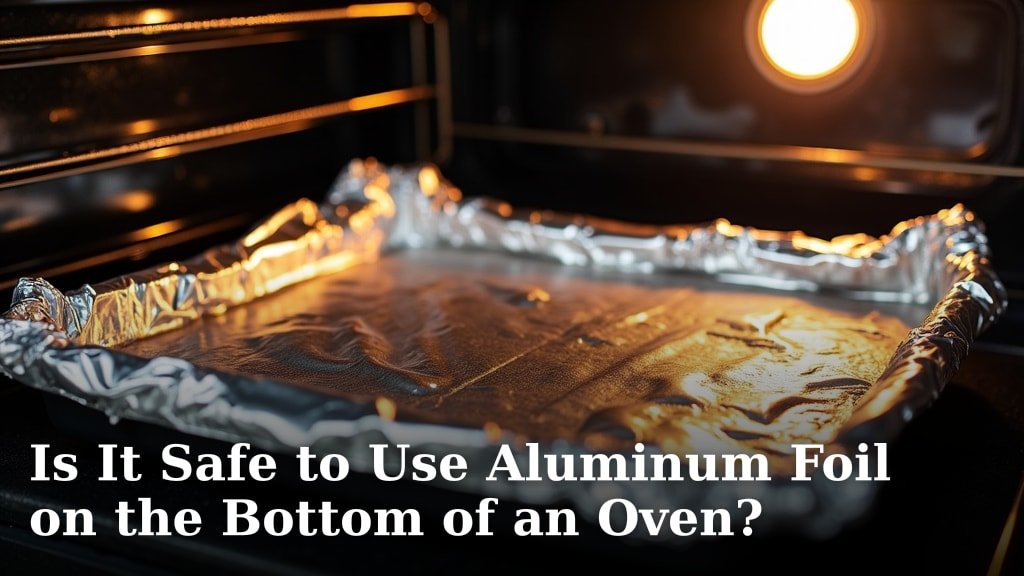
Yes, it is generally safe to use aluminum foil on the bottom rack of your oven, but you should be careful. Placing foil on the oven floor can actually be beneficial by catching drips and making cleanup easier. However, it can also damage your oven if not used correctly.
Many homeowners use aluminum foil for convenience in their kitchens. While it’s a handy tool for baking and roasting, a few simple rules apply when using it in your oven. We found that understanding the potential risks is key to safe usage. Let’s look at how to avoid common pitfalls and keep your oven in good shape.
- Foil on the oven floor can make cleaning up spills easier.
- Always keep foil away from oven walls and heating elements.
- Never cover the entire oven floor, as this can block airflow.
- Some oven manuals advise against using foil altogether.
Below, we’ll guide you through the best practices for using aluminum foil in your oven, so you can bake with confidence and keep your appliance happy.
Can You Safely Line Your Oven Bottom with Foil?
Yes, in many cases, you can safely use aluminum foil on the bottom rack of your oven. It’s a common trick that many home cooks use. The main goal is usually to catch drips. This keeps your oven cleaner and saves you scrubbing time. We found that when used correctly, it’s a helpful kitchen hack. However, there are important rules to follow. Getting these wrong can lead to **oven damage** or even a **fire hazard**.
Let’s talk about how to use foil like a pro. We want you to enjoy easier cleanups without any worry. It’s all about knowing where to place the foil and what to avoid. We’ve gathered information to guide you through this simple yet important kitchen practice.
Understanding the Purpose of Oven Liners
Why do people even consider putting foil on the oven floor? It’s mainly about **mess management**. Baking or roasting often involves splatters and drips. Think about a bubbling lasagna or a roasted chicken losing some juices. These can bake onto your oven’s bottom, creating a tough mess to clean. A layer of foil acts as a shield. It catches these spills before they reach the oven’s surface. This makes for a much quicker cleanup later.
Some people also use it to **protect the oven’s enamel**. Constant high heat and baked-on spills can chip or damage the coating over time. Foil offers a protective layer. But, as we’ll discuss, it must be used thoughtfully. It’s not a one-size-fits-all solution. Some oven designs might not be compatible with this method.
Benefits of Using Foil as a Drip Catcher
The biggest perk is definitely **easier cleaning**. Who enjoys spending an hour scrubbing baked-on grease? We found that a simple sheet of foil can save you a lot of elbow grease. You can just remove the foil after cooking and discard it. This is especially useful when cooking foods that are prone to dripping.
Another benefit is **preventing smoke**. When food drippings hit the hot bottom of your oven, they can burn. This burning creates smoke, which can fill your kitchen and make your food taste unpleasant. By catching these drips, foil helps **prevent smoke** and keeps your kitchen smelling fresh.
Potential Drawbacks to Consider
While convenient, there are risks. The most serious is the potential for **overheating**. If foil covers the entire bottom of the oven, it can block the air vents. These vents are crucial for even heat distribution. Blocking them can lead to **uneven cooking**.
Furthermore, placing foil directly over the heating elements can be dangerous. In some ovens, the bottom heating element is exposed or located very close to the oven floor. If foil touches this element, it can melt, cause **sparking**, or even start a fire. This is a **serious safety concern** that many sources warn against (Consumer Product Safety Commission).
The Correct Way to Use Aluminum Foil in Your Oven
So, how do you get the benefits without the risks? It’s all about placement and size. The golden rule is to **never cover the entire oven floor**. Always leave some space around the edges. This ensures that air can still circulate properly. Proper airflow is key for your oven to function as intended.
We recommend placing the foil on the **lowest rack** or on a baking sheet placed on the lowest rack. This creates a barrier under whatever you’re cooking. Think of it as a dedicated drip catcher. It should not be touching the sides or the back of the oven where vents might be located.
Where to Place the Foil for Safety
The safest spot is typically the oven’s lowest rack. You can lay a piece of foil flat on this rack. Make sure it’s **smaller than the rack itself**. It should not extend beyond the edges. This way, it catches drips from food cooked on racks above it.
Alternatively, many experts suggest using a broiler pan or a separate baking sheet on the lowest rack. Then, you can place your foil on top of that pan or sheet. This provides an extra layer of separation from the oven’s heating elements and walls. It’s a foolproof method to prevent accidental contact.
What to Avoid: Common Mistakes with Foil
The biggest mistake is covering the entire oven bottom. This traps heat and can damage the oven’s components. Many oven manuals explicitly state not to do this. Another critical error is placing foil too close to the heating elements. Check your oven’s design; some have exposed elements at the base. If yours does, foil is a definite no-go in that area.
Also, avoid using foil to line the oven walls or the door. These surfaces often have vents or seals that can be damaged by foil. Foil can also scratch glass oven doors. Stick to using it solely on a rack or a pan for drip catching. We found that simply being mindful of these specific no-go zones makes a big difference.
Oven-Specific Recommendations and Manuals
Every oven is a little different. What works for one might not be ideal for another. That’s why consulting your oven’s user manual is so important. Many manufacturers include specific instructions about using accessories like foil. Some high-end or self-cleaning ovens might have very sensitive components that could be harmed by foil.
We found that many modern ovens have a catalytic lining or a pyrolytic (self-cleaning) function. These systems rely on the oven reaching extremely high temperatures. Using foil could interfere with these processes or even damage the oven’s lining. Always check your manual for definitive guidance. If it advises against foil, it’s best to trust those recommendations. Always check your manual for definitive guidance, especially if your oven has a self-cleaning function.
Understanding Your Oven’s Design
Take a moment to look inside your oven. Identify the heating elements. Are they at the top and bottom? Are the bottom ones exposed? Are there any vents on the oven floor or the back wall? Understanding your oven’s layout helps you make informed decisions about using foil. This visual check can prevent a costly mistake.
For example, if you have a convection oven, proper airflow is even more critical. The fan circulates hot air. Blocking vents with foil can disrupt this airflow, making your convection cooking less effective. We’ve seen advice from appliance repair specialists that strongly cautions against blocking any vents.
When to Skip the Foil Altogether
There are certain situations where it’s best to leave the foil in the drawer. If you’re baking delicate items like cakes or cookies, you want the most even heat possible. Foil on a lower rack might affect the temperature of the food on the rack above it. For these recipes, it might be better to skip the foil and just be prepared for a bit of cleanup.
Also, if your oven has a self-cleaning cycle, do not use foil. The temperatures during self-cleaning are incredibly high. Foil can melt onto the oven surfaces, creating a very difficult and potentially hazardous mess to remove. We found that using oven liners specifically designed for self-cleaning ovens is a much safer alternative if you need one.
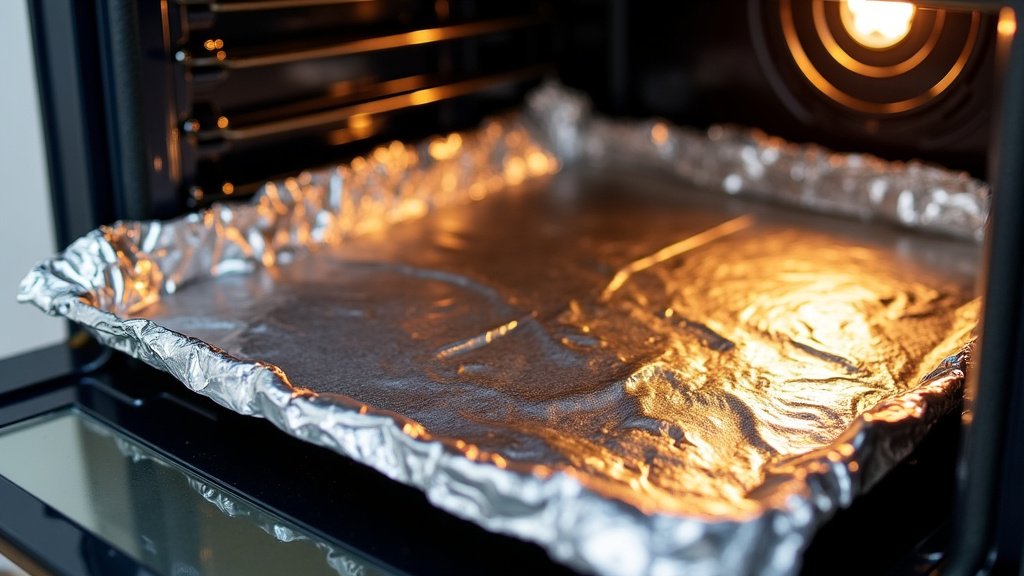
Alternatives to Aluminum Foil for Oven Liners
If you’re concerned about the risks of aluminum foil or if your oven manual advises against it, there are other options. Many companies now produce reusable silicone oven liners. These are designed to withstand high temperatures and can be washed and reused many times.
Another common alternative is to simply use a grate or a baking sheet placed on the lowest rack. This acts as a buffer for drips without posing the same risks as foil. Some people also use parchment paper for lining baking sheets, but this should never be placed directly on the oven floor. It’s meant for use within pans or on racks.
Silicone Oven Liners: A Reusable Option
Silicone liners are a popular choice for a reason. They are flexible, non-stick, and can be **cut to fit** your oven’s specific dimensions. Make sure to get one rated for the high temperatures your oven reaches. They are generally considered safe for most oven types. We found that they provide excellent protection against spills.
When using a silicone liner, ensure it still allows for proper airflow. Most are designed with this in mind. They sit flat on the oven floor or a rack and don’t typically interfere with the oven’s ventilation system. Always follow the manufacturer’s instructions for your specific liner.
Using Baking Sheets or Pans as Shields
A simple and effective method is to use a standard baking sheet. Place this on the lowest rack. If you anticipate drips, line the baking sheet with foil or parchment paper. This way, you get the benefit of easy cleanup of the sheet itself. It’s a versatile solution for many cooking tasks.
This method is especially useful for roasting meats or baking pies. The baking sheet catches any spills. It also provides a stable surface. We’ve found that this approach is universally recommended by appliance manufacturers as a safe alternative to directly lining the oven.
Checklist for Safe Oven Foil Usage
To help you remember the key points, here’s a quick checklist:
- Always check your oven manual first.
- Never cover the entire oven floor.
- Keep foil away from heating elements and oven walls.
- Use the lowest rack or a baking sheet for placement.
- Ensure foil is smaller than the rack it rests on.
- Consider reusable silicone liners or baking sheets as alternatives.
Conclusion
Using aluminum foil on your oven floor can indeed make cleanup easier. We’ve learned that it’s generally safe, but only when done with care. The key is to never cover the entire oven bottom. Always keep foil away from heating elements and walls. Proper airflow is essential for your oven to work correctly. By following these simple guidelines, you can enjoy a cleaner oven without risking damage. Always consult your oven’s manual for its specific recommendations, and consider reusable liners for extra peace of mind.
Frequently Asked Questions
Can using foil on the oven bottom void my warranty?
It’s possible. Many oven manufacturers state in their manuals that improper use of accessories, including aluminum foil, can void your warranty. We recommend checking your specific oven’s user manual for definitive guidance on this matter to be safe.
What temperature is too hot for aluminum foil in the oven?
While aluminum foil can withstand high temperatures, it’s not meant to directly touch the heating elements. We found that even at standard baking temperatures, if foil touches an exposed element, it can melt or cause sparking. It’s more about placement than a specific temperature limit.
Is it okay to use foil on the oven floor during the self-cleaning cycle?
Absolutely not. We strongly advise against using foil at all during a self-cleaning cycle. The extreme temperatures required can cause the foil to melt and fuse to the oven surfaces, creating a dangerous and difficult-to-remove mess.
How much space should I leave around the edges of the foil?
You should leave at least a few inches of space around all edges of the oven floor. This ensures that air can still circulate freely. We found that leaving ample room prevents heat from being trapped and allows your oven to function efficiently.
Are there any types of ovens where foil is always a bad idea?
Yes, if your oven has a catalytic coating, a self-cleaning function, or exposed heating elements on the bottom, using foil directly on the oven floor is generally a bad idea. We’ve seen recommendations from appliance experts that always caution against foil in these specific oven designs.
