
Your wall oven tripping the circuit breaker is often due to an overloaded circuit or a faulty heating element. It can also happen if the oven’s wiring is loose. These are common issues that can be resolved with a little troubleshooting. Don’t worry, we’ll help you figure out why this is happening.
When your oven breaker trips, it’s a sign the appliance is drawing more power than the circuit can handle safely. This is a protective measure to prevent damage or fire hazards. Many things can cause this, from simple user errors to actual component failures. We’ll help you diagnose the root cause and get your oven working again without any surprises.
- Breakers trip to protect your home from electrical issues.
- Common culprits include overloaded circuits and bad heating elements.
- Loose wiring can also cause your oven to trip the breaker.
- Proper troubleshooting can help you identify the problem.
Let’s walk through the most common reasons your wall oven might be causing that breaker to flip.
Troubleshooting Your Oven’s Breaker Issues
A tripped breaker is your oven’s way of saying, “Whoa there, something’s not right!” It’s a safety feature designed to protect your home and the appliance itself. You’re not alone if your wall oven is frequently tripping the circuit breaker. Many homeowners encounter this frustrating problem. Let’s figure out what’s causing your oven to act up and how to fix it.
Understanding Why Breakers Trip
Circuit breakers are like tiny guardians for your home’s electrical system. They monitor the amount of electricity flowing through a circuit. If too much electricity tries to pass, which is called an overload, the breaker automatically shuts off the power. This prevents wires from overheating, which could lead to a fire.
Your wall oven, especially when using the bake or broil elements, draws a significant amount of power. It’s one of the high-demand appliances in most kitchens. If something is drawing even more power than usual, or if the circuit itself isn’t equipped for the oven’s normal needs, the breaker will trip. We’ll look at several common scenarios that can lead to this.
Common Culprits for a Tripping Oven Breaker
Let’s dive into the most frequent reasons your oven might be causing that breaker to trip. We’ll start with the simplest possibilities and move toward the more complex ones.
1. Overloaded Circuit
This is often the simplest explanation. Your oven shares a circuit with other appliances. If you’re running too many high-power devices at once, you might exceed the circuit’s capacity. Think of it like trying to plug in a toaster, a microwave, and a hair dryer all into the same small power strip – eventually, something has to give.
What’s on the Circuit?
Many kitchens have ovens on circuits that also power other outlets or appliances. If you’re using your oven for a long bake and also have a microwave running, or perhaps a portable heater plugged into an outlet on the same circuit, you could easily overload it. We found that checking what else is active when the oven is on is a critical first step.
How to Test for an Overloaded Circuit
Try this simple test: turn off or unplug everything else on the same circuit as your oven. Then, try using your oven. If the breaker doesn’t trip, you’ve likely found your problem. You might need to be more mindful of what appliances you run simultaneously, or consider having an electrician assess if your oven needs its own dedicated circuit. This is a very common solution according to many appliance repair guides.
2. Faulty Heating Element
The heating elements in your oven (both the bake and broil elements) are essentially large resistors. They get very hot when electricity passes through them. Over time, these elements can degrade, develop cracks, or have internal shorts. When this happens, they can draw far more power than they should.
Signs of a Failing Element
A heating element that’s about to fail might show visible signs. Look for visible cracks, blisters, or a dull, worn appearance. If one element seems to be heating unevenly or not at all, it could be a sign of trouble. We’ve found that a faulty element is a leading cause of breaker trips, especially if it happens suddenly without other appliances running.
Testing the Heating Element
Diagnosing a faulty heating element usually requires a multimeter. You’ll need to safely disconnect power to the oven and then test the resistance of the element. If the resistance is too high, too low, or shows an open circuit, the element likely needs replacement. Many appliance repair sites suggest this is a task best left to someone comfortable with electrical testing, but it’s a common fix.
3. Loose Wiring Connections
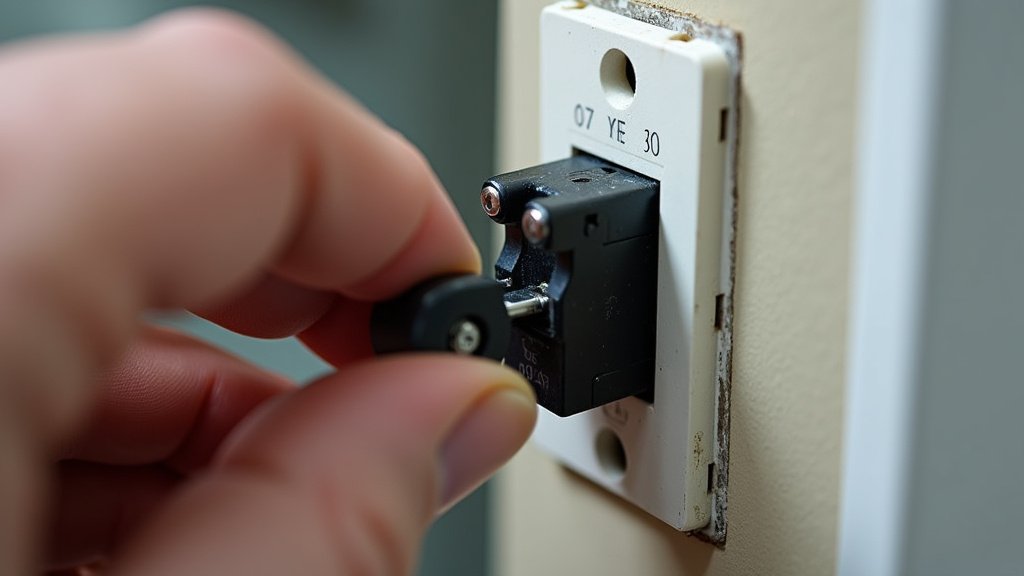
Electrical connections inside your oven and at the junction box can become loose over time due to vibrations or improper installation. When a connection is loose, it can create resistance. This increased resistance causes heat buildup, which can draw excessive current and trip the breaker. It’s like a kink in a water hose – it restricts flow and causes pressure issues.
Where to Look for Loose Wires
There are several places loose wires can cause problems. The connection point where the oven wires meet the house wiring (often in a junction box behind the oven) is a common spot. Inside the oven itself, the terminals connecting to the heating elements, thermostat, or other components can also loosen. You might even find loose wires at the terminal block where the oven’s power cord connects.
The Dangers of Loose Connections
Loose connections don’t just trip breakers; they can also be a fire hazard. Arcing can occur at these points, generating intense heat. If you smell burning or see scorch marks around electrical connections, turn off the power immediately and call a professional. Many electrical safety guidelines strongly advise against leaving loose wiring unaddressed.
4. Faulty Oven Control Board or Thermostat
The electronic control board or the mechanical thermostat is the “brain” of your oven. If this component malfunctions, it can send incorrect signals. It might tell the heating elements to stay on longer than they should, or to draw more power than necessary. A faulty thermostat, for example, might not shut off the heat when it reaches the set temperature, leading to an overheat condition and a tripped breaker.
Troubleshooting Electronic Components
Diagnosing issues with control boards or thermostats can be tricky. Often, you’ll notice other control-related problems as well, such as inconsistent temperatures or buttons that don’t respond. While some component tests can be done with a multimeter, replacing these parts can be more involved. We found that issues with the control board are less common than heating element or overload problems but can certainly cause breaker trips.
5. Issues with the Oven Door Seal or Gasket
While less direct, a damaged or missing oven door seal can contribute to breaker trips. A poor seal allows a lot of heat to escape. To compensate, the oven’s heating elements will have to work harder and longer to maintain the set temperature. This sustained, high-power draw can eventually overload the circuit and trip the breaker. It’s like trying to heat a room with a window wide open – the heater runs constantly. A damaged or missing oven door seal can cause heat to escape, making the elements work harder and potentially trip the breaker.
Checking Your Oven Door Seal
Inspect the gasket around your oven door. Is it torn, cracked, or missing in places? Is the door closing tightly and evenly all around? If you can see light escaping around the edges when the oven is on, or if you feel excessive heat escaping, the seal might be compromised. Replacing the door seal is often a straightforward DIY repair that can help improve efficiency and prevent breaker issues.
When to Call a Professional
While some of these issues are manageable with basic troubleshooting, others require expert knowledge and tools. You should always consider calling a qualified appliance repair technician or an electrician if:
- You’re uncomfortable working with electrical components.
- The problem persists after trying basic troubleshooting steps.
- You suspect a major internal component failure.
- You see signs of burning, melting, or arcing.
- Your oven is still under warranty.
Safety is always the top priority. Working with electricity can be dangerous if you’re not experienced. A professional can quickly and safely diagnose the problem and perform the necessary repairs.
Quick Checklist: Is Your Oven Breaker Tripping?
Let’s run through a quick checklist to help you pinpoint the cause:
- Is the breaker tripping only when the oven is on high heat, or also on lower settings?
- Are other appliances running on the same circuit when the breaker trips?
- Do you see any visible damage to the oven’s heating elements?
- Does the oven door seal seem to be in good condition?
- Do you smell any unusual odors or see scorch marks?
- Are the oven’s controls functioning normally otherwise?
Answering these questions can give you a strong indication of where to start your investigation. Remember, a tripped breaker is a warning sign, and addressing it promptly can prevent further damage.
Conclusion
We’ve covered the common reasons your wall oven might trip the circuit breaker, from simple overloads to potential component failures. Remember, a tripped breaker is your oven’s safety signal. Taking the time to troubleshoot these issues can save you stress and potential repair costs. Don’t hesitate to call a professional if you’re uncomfortable with electrical work or suspect a serious problem. Your oven can be back to baking your favorite meals safely and reliably with a little attention.
Frequently Asked Questions
Can a simple power surge cause my oven breaker to trip?
Yes, a sudden surge of electricity, like from a nearby lightning strike or a power fluctuation, can sometimes trip your oven’s breaker. These surges can temporarily overload the circuit. If this happens rarely and your oven works fine afterward, it might have just been a one-off event.
How often should I check my oven’s heating elements?
You don’t need to check your heating elements regularly unless you suspect a problem. However, if your oven breaker trips frequently, or if you notice uneven heating or visible damage like cracks or blisters on the elements, it’s time for a closer inspection.
Is it safe to reset a tripped breaker multiple times for my oven?
It’s generally not recommended to repeatedly reset a tripped breaker without identifying the cause. Each time a breaker trips, it means there’s an underlying electrical issue. Continuously resetting it can mask a more serious problem and potentially lead to damage or a safety hazard.
What’s the difference between an overloaded circuit and a short circuit for my oven?
An overloaded circuit happens when too many appliances draw power on the same line, exceeding its safe capacity. A short circuit is more severe, occurring when a hot wire touches a neutral or ground wire, causing a massive surge of current that instantly trips the breaker to prevent damage or fire.
If my oven door seal is bad, will it always trip the breaker?
A damaged oven door seal doesn’t always trip the breaker, but it can contribute over time. When heat escapes, the elements work harder and longer to maintain the set temperature. This sustained high power draw can eventually lead to an overload condition and trip the breaker, especially if other devices are also active on the circuit.
