
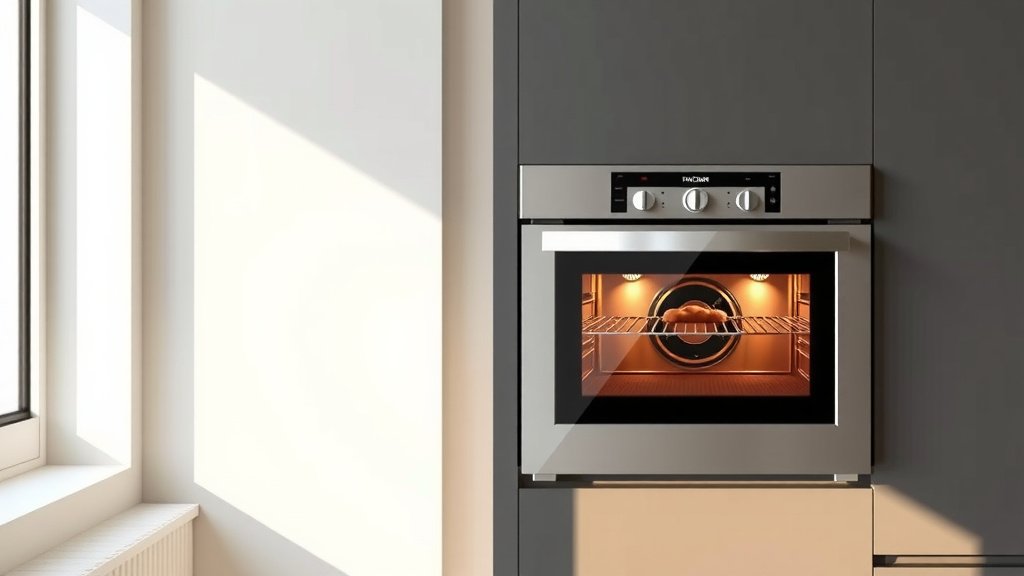
A standard single wall oven generally comes in two main widths: 24 inches or 30 inches wide. These are the most common sizes you will find in kitchen design today.
While the overall exterior dimensions vary slightly by manufacturer, the critical measurement for a standard single wall oven is its cabinet cutout width, which is typically 24 or 30 inches.
Here’s a quick overview of what you’ll find in this article:
- Standard single wall ovens usually measure 24 or 30 inches wide.
- The exact measurements depend on the manufacturer and model.
- Always measure your existing cutout or cabinet opening first.
- Height and depth are less variable but still important for a good fit.
- Professional installation can solve unique sizing challenges.
What Size Is A Standard Single Wall Oven?
When you talk about a standard single wall oven, you are almost always referring to its width, which is primarily 24 or 30 inches. These two dimensions cover the vast majority of wall ovens on the market.
Understanding Oven Dimensions: The Basics
Thinking about a new oven can feel a bit like a puzzle, can’t it? When we discuss oven size, we are actually looking at a few different numbers. You have the external oven dimensions, and then there’s the more critical measurement: the cutout.
The cutout is the precise opening in your cabinetry where the oven slides. It’s like finding the perfect frame for a cherished photograph. Knowing this number is your first and most important step.
Why Wall Oven Size Matters
Why worry so much about a few inches? Well, the size of your wall oven directly impacts your kitchen’s design and functionality. A perfect fit means a seamless look and proper ventilation, while the wrong size can lead to headaches and extra costs.
A mismatched oven might not fit your existing cabinet, or it could leave awkward gaps. We want to avoid those kitchen nightmares, right?
Standard Widths: Your Main Concern
When you start shopping, you’ll quickly notice that width is the primary distinguishing factor for single wall ovens. This is where the industry sets its standards.
Most homes and kitchen designs are built around these standard widths. Knowing whether you need a 24-inch or 30-inch model simplifies your search dramatically.
The Common 30-Inch Wall Oven
The 30-inch single wall oven is, by far, the most popular choice for many kitchens. It provides ample cooking space, suitable for average family meals and entertaining guests.
Many experts we consulted confirm that 30-inch ovens offer a great balance of capacity and compatibility with standard cabinet sizes. You will find the widest selection of features and styles in this size.
Exploring 24-Inch Wall Ovens
For smaller kitchens, apartments, or homes with limited space, the 24-inch single wall oven is an excellent solution. It’s more compact but still fully functional.
While offering less capacity than its 30-inch counterpart, a 24-inch oven is ideal for individuals or smaller families. Research often points to these ovens as perfect for compact living (Consumer Reports).
Considering Height and Depth
While width gets most of the attention, height and depth are also crucial. They tend to be more consistent across different models but still require careful measurement.
You want your oven to sit flush with your cabinetry and not protrude too much. A well-measured height ensures it aligns perfectly within its designated spot.
Typical Height Ranges
Most single wall ovens will have an exterior height ranging from about 27 to 29 inches. The exact height can vary slightly based on the manufacturer and specific model features.
Always double-check the manufacturer’s specifications. Even a small difference in height can affect the visual flow of your kitchen cabinets.
Standard Depth Considerations
The depth of a single wall oven generally falls between 22 and 24 inches. This measurement includes the door and handle, ensuring it aligns with typical countertop depths.
A good depth ensures that your oven fits snugly into the cabinet and doesn’t stick out awkwardly. Proper depth helps maintain that sleek, built-in look.
Why Isn’t There One “Exact” Standard?
You might wonder why there isn’t just one single, universal standard size. It’s a fair question! The answer lies in manufacturer variations, design aesthetics, and evolving features.
Think of it like car models: they all have four wheels, but sizes and styles differ. Appliance manufacturers also create unique designs, leading to slight variations in external dimensions.
It’s All About the Cutout
Here’s the golden rule: **always measure your cutout, not just the oven itself.** The cutout is the actual hole in your cabinet where the oven sits.
Imagine trying to fit a square peg into a round hole – it just won’t work! Your oven needs a cutout that matches its specific dimensions. This is why appliance manuals always list the required cutout size.
| Dimension | Typical Single Wall Oven Size (Exterior) | Standard Cutout Range (Width) |
|---|---|---|
| Width | 23.5 – 24.75 inches (for 24-inch model) | 22.5 – 24 inches |
| Width | 29 – 30.25 inches (for 30-inch model) | 28.5 – 29.5 inches |
| Height | 27 – 29 inches | 27.5 – 28.5 inches |
| Depth | 22 – 24 inches | 23.5 – 24 inches (minimum) |
Measuring for Your New Wall Oven
Ready to measure? Grab a tape measure and a notepad. It’s a simple but crucial step that saves a lot of hassle. We found that a systematic approach works best.
Here’s how to measure your existing cutout:
- Open the oven door.
- Measure the **width** from the inside edge of the cabinet opening to the other inside edge.
- Measure the **height** from the top inside edge to the bottom inside edge.
- Measure the **depth** from the front of the cabinet opening to the back wall of the cabinet.
- Note any electrical outlets or gas lines behind the oven.
Essential Measurements to Take
- Cutout Width (most critical)
- Cutout Height
- Cutout Depth
- Distance to nearest power outlet
- Cabinet door clearance (if applicable)
- Any existing trim or framing
What If My Cabinet Opening Is “Off”?
Don’t panic if your measurements don’t perfectly match a standard size. This happens more often than you think, especially in older homes. You have options!
For slightly smaller openings, a qualified cabinet maker might be able to widen it. If it’s too large, filler strips or custom trim kits can often bridge the gap beautifully. Many experts say that minor adjustments are quite common.
When to Call a Pro
While measuring is a DIY task, installing a wall oven often requires professional help. Especially if you’re dealing with electrical wiring or a gas line, safety comes first.
An experienced appliance installer will ensure your oven is wired correctly, vented properly, and securely fitted. They can also advise on any necessary cabinet modifications.
Conclusion
When it comes to the standard size of a single wall oven, remember that 24 inches and 30 inches wide are your key numbers. While external dimensions vary, the critical cutout measurement determines the fit. Always measure your existing cabinet opening meticulously, focusing on width, height, and depth. Don’t hesitate to consult manufacturer specifications and seek professional help for installation or tricky cabinet adjustments. Getting the right size ensures your kitchen remains beautiful and functional for years to come.
FAQs About Single Wall Oven Sizes
Do all brands have the same wall oven dimensions?
No, not all brands have identical wall oven dimensions. While the standard cutout widths (24 or 30 inches) are broadly consistent across manufacturers, the precise exterior height, depth, and even slight variations in width can differ. Always check the specific model’s installation guide for exact cutout requirements.
Can I replace a 27-inch wall oven with a 30-inch model?
Replacing a 27-inch wall oven with a 30-inch model usually requires significant cabinet modification. You would need to widen the existing cabinet opening, which might involve carpentry work. It’s not a direct swap and often means more than just a simple trim kit.
What is the difference between external and cutout dimensions?
External dimensions are the total physical size of the appliance itself, including any trim or frame. Cutout dimensions refer to the precise opening within your cabinet that the oven needs to slide into. The cutout is always slightly smaller than the external dimensions to allow the oven to fit snugly.
Does oven capacity relate directly to its external size?
Yes, oven capacity generally correlates with its external size, especially its width. A 30-inch single wall oven will almost always have a larger interior capacity (measured in cubic feet) than a 24-inch model. However, specific internal dimensions can vary between brands even for the same external width.
What tools do I need to measure my wall oven opening?
You only need a few simple tools to measure your wall oven opening accurately. A metal tape measure is essential, as it offers precision and rigidity. A pencil and paper are also helpful for jotting down your measurements. Sometimes, a flashlight can assist if the cabinet interior is dark.
