
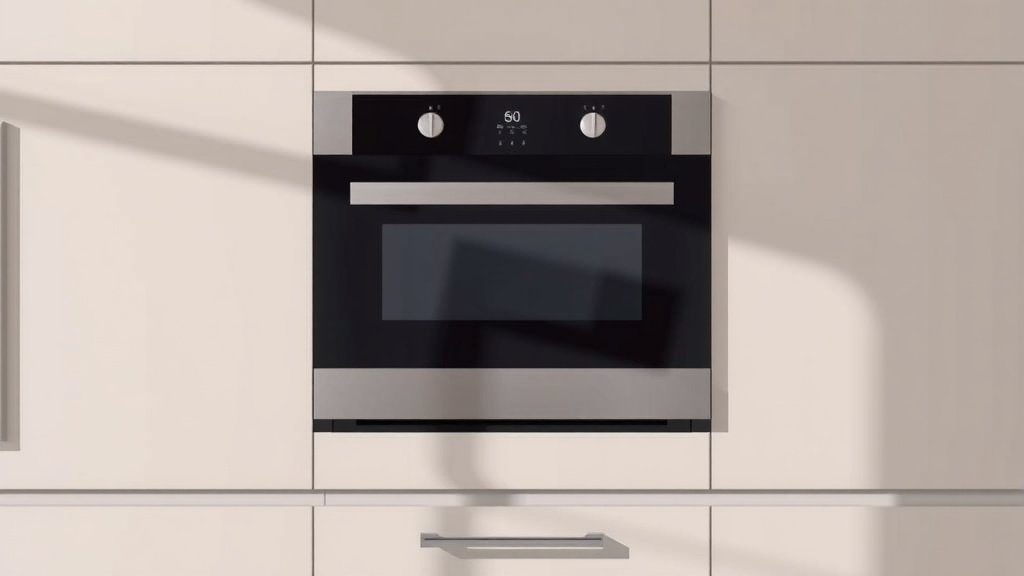
Yes, you absolutely can build a single wall oven into a cabinet, provided you choose the right type of cabinet and ensure all specifications are met. This is a common and practical kitchen design choice for homeowners today.
You’ll need to carefully consider dimensions, electrical requirements, and proper ventilation to make sure your installation is safe and effective.
Here’s a quick overview of what you’ll find in this guide:
- Discover why building a wall oven into a cabinet is a smart choice for your kitchen layout.
- Learn about the critical measurements and electrical needs before you start any work.
- Understand which type of cabinet works best for supporting a wall oven safely.
- Get a simple checklist of steps involved in the installation process.
- Decide if a DIY approach or professional installation is right for your situation.
Can A Single Wall Oven Be Built Into A Cabinet?
Yes, a single wall oven is specifically designed to be built into a cabinet structure. This allows for a sleek, integrated look in your kitchen.
Many homeowners prefer this setup for its ergonomic benefits and space-saving design.
Why Build a Wall Oven into a Cabinet?
Thinking about a wall oven? You’re not alone. Many homeowners choose this option for several great reasons.
First, it saves precious floor space that a freestanding range would occupy. Second, it lifts the oven to a more comfortable height.
No more bending over to check on your roast! This can be a real back-saver, especially as you get older (NIH).
Plus, a built-in oven often gives your kitchen a custom, high-end feel. It integrates smoothly with your cabinetry.
Key Considerations Before You Start
Before you even think about buying an oven or swinging a hammer, pause and plan. This step is super important.
Ignoring these details could lead to safety hazards or costly mistakes. We’re talking about electricity and heat, after all.
Measuring for Success
Measure twice, install once! This old carpenter’s saying is very true here. You need precise measurements for both your oven and your cabinet opening.
Every oven model has specific cutout dimensions. We found that the manufacturer’s installation guide is your best friend for this information (Energy Star).
Measure the width, height, and depth of the oven itself. Then, compare those to the available space in your cabinet.
Electrical Requirements Matter
Wall ovens are powerful appliances. They typically need a dedicated electrical circuit with specific voltage and amperage.
Trying to plug it into a standard outlet could overload your system. This is a fire risk, which is something nobody wants.
Many experts say to consult a qualified electrician. They can confirm your home’s wiring can handle the load.
The Right Cabinet Choice
Not just any cabinet will do for a wall oven. You need one designed to support its weight and accommodate its heat.
Special “oven cabinets” are available from cabinet manufacturers. These often come with necessary supports built-in.
Sometimes, you can modify an existing pantry or base cabinet. This takes careful planning and reinforcing.
| Cabinet Type | Pros | Cons |
|---|---|---|
| Dedicated Oven Cabinet | Designed for easy fit; good ventilation; strong support | Can be more expensive; less flexible for future changes |
| Modified Pantry/Base Cabinet | Potentially saves money; uses existing space | Requires structural reinforcement; might need custom cuts; ventilation can be tricky |
Installation Steps: What to Expect
While specific steps vary by oven model, the general process follows a pattern. It’s good to know what’s coming.
This helps you decide if you’re comfortable tackling it yourself or if you need a pro.
Here’s a general checklist:
- Review Oven Manual: Read it cover to cover for specific instructions.
- Prepare Cabinet: Ensure the cutout is correct and supports are strong.
- Electrical Hookup: Connect the oven to the dedicated circuit.
- Secure Oven: Fasten the oven to the cabinet according to instructions.
- Test Functionality: Run a quick test bake to check everything works.
Professional Installation vs. DIY
This is a big question for many homeowners. Can you do it yourself, or should you call in the experts?
There are arguments for both sides. Your comfort level and skills play a huge role here.
When DIY Might Be Okay
If you’re simply replacing an old wall oven with a new one of the exact same size, DIY might be an option.
Especially if the electrical hookup is already in place and correct. You’ll still need some basic tools and confidence.
However, even experienced DIYers often find the electrical part intimidating.
When to Call a Pro
If you’re installing a wall oven for the first time, or if you need new electrical wiring, always call a professional.
An electrician ensures safety, and a kitchen installer can handle cabinet modifications. We found that this investment often pays off in peace of mind (Consumer Reports).
Don’t risk electrical shock or damaging your new appliance. Sometimes, it’s just better to let the experts handle it.
Ventilation is Key
Ovens produce heat, obviously. But where does that heat go? Proper ventilation is super important.
Your oven’s installation manual will specify clearances around the oven. These gaps allow air to circulate.
Blocking vents can cause the oven to overheat. This reduces its lifespan and can be a fire hazard.
Common Mistakes to Avoid
Nobody wants to make a mistake when installing a major appliance. Here are some common pitfalls to watch out for.
A little foresight can save you a lot of headache and expense.
- Ignoring the manufacturer’s exact cutout dimensions.
- Not checking your electrical supply before buying the oven.
- Using an ordinary cabinet without reinforcing it properly.
- Forgetting to secure the oven with its mounting screws.
- Blocking ventilation openings, leading to overheating.
Conclusion
Building a single wall oven into a cabinet is a fantastic way to upgrade your kitchen. It offers convenience, style, and efficiency.
The process requires careful planning, precise measurements, and a good understanding of electrical safety.
Whether you choose to tackle it yourself or hire professionals, ensuring a safe and proper installation is paramount. With the right steps, you’ll enjoy your new built-in oven for years to come.
Can a wall oven go into any cabinet?
No, not just any cabinet. You need a cabinet specifically designed for wall ovens, or one that can be safely reinforced and modified to support the oven’s weight and accommodate its dimensions and ventilation needs. Standard cabinets might not be strong enough or have the correct clearances.
Do all wall ovens require a dedicated circuit?
Most wall ovens require a dedicated electrical circuit. These appliances draw a significant amount of power. Sharing a circuit with other appliances could cause overloads, tripped breakers, and potential safety issues. Always check the oven’s specifications and consult an electrician.
How much space is needed around a built-in oven?
The amount of space needed around a built-in oven varies by model. The manufacturer’s installation manual will specify minimum clearances for ventilation at the sides, top, and bottom. It’s crucial not to block these spaces to prevent overheating and ensure proper operation.
Can I install a wall oven under a counter?
Yes, many single wall ovens are designed to be installed under a counter, behaving much like a traditional range oven but without the cooktop above. You’ll still need a dedicated oven cabinet or a modified base cabinet that meets all size and electrical requirements for an under-counter installation.
What tools are essential for installing a wall oven?
Essential tools for installing a wall oven typically include a tape measure, screwdriver set, level, wire strippers (if handling electrical connections), and possibly a jigsaw or saw for cabinet modifications. For electrical work, a voltage tester is also crucial for safety. Always refer to your oven’s specific manual for required tools.
