
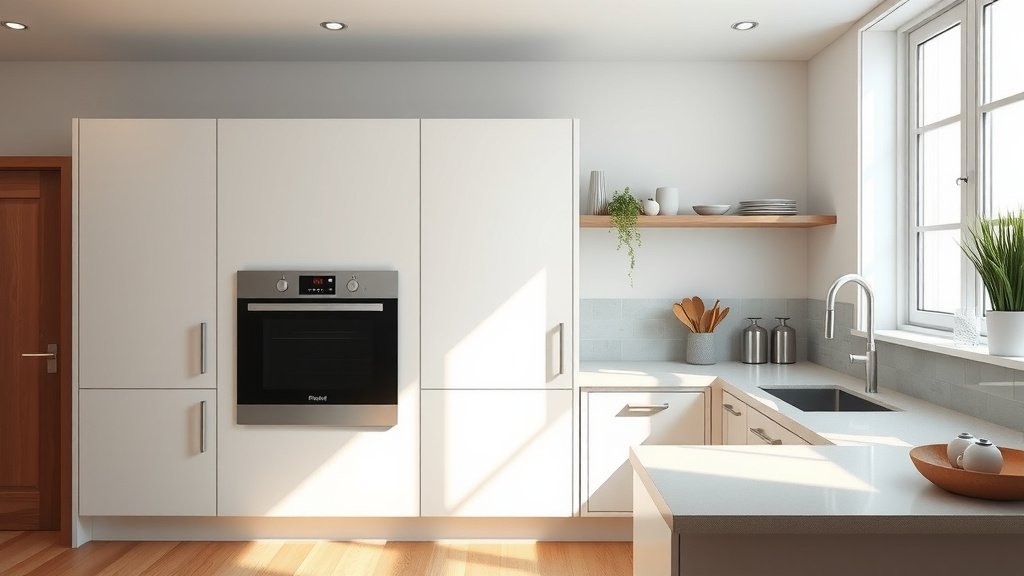
The typical cost to install a single wall oven ranges from $150 to $400 for labor, excluding the appliance itself.
Factors like needed electrical work, cabinetry modifications, and your specific location significantly affect the total expense for single wall oven installation.
- Single wall oven installation labor generally costs between $150 and $400.
- Electrical circuit upgrades or cabinet cutting can add hundreds to your bill.
- Doing it yourself saves labor costs but requires specific skills and safety knowledge.
- Always obtain multiple estimates to secure the best price for your project.
- Permits may be necessary for significant electrical changes, adding another layer of cost and time.
How Much Does It Cost To Install A Single Wall Oven?
Expect to pay anywhere from $150 to $400 for professional labor to install your single wall oven. This range primarily covers the straightforward placement and electrical connection of the appliance.
Understanding the Basic Installation Cost
When you first consider installing a new wall oven, you might focus on the appliance price. But don’t forget the installation fees. These are a separate, essential part of your budget.
Most standard installations involve removing the old oven and sliding the new one into its place. The electrician then connects it to an existing, compatible circuit. It sounds simple, right?
What Does Standard Installation Include?
A standard installation usually covers a few key steps. First, the technician will disconnect your old oven safely. Then, they will unbox and inspect your new appliance.
After that, they slide the new oven into the existing cabinet opening. Finally, they securely connect it to the electrical outlet. Testing the oven to ensure it works properly is the last step. Many services include basic cleanup as well, we found during our research.
When Do Costs Go Up? Unexpected Factors
Sometimes, your installation isn’t as simple as swapping out the old for the new. That’s when you’ll see the costs begin to climb. It’s like finding a detour on your road trip; it adds time and money.
These extra charges come from tasks beyond the basic installation. Things like modifying your cabinets or updating electrical systems are common culprits. Are you prepared for these potential add-ons?
Electrical Upgrades: A Common Hurdle
Wall ovens need a dedicated circuit, usually 240 volts. Many older homes might not have this, or the existing circuit might be outdated. Research shows that electrical work is often the biggest unexpected cost.
An electrician might need to run a new circuit from your main panel. This involves new wiring, a circuit breaker, and possibly a new outlet. We found that this work alone can add $200 to $800 or more to your total. Sometimes, a permit is even required for significant electrical upgrades (National Electrical Code guidelines).
Cabinet Modifications: Making Room
Did you choose a new oven that’s a slightly different size than your old one? This is a frequent issue. Your cabinet opening might need to be enlarged or reduced to fit the new appliance perfectly.
A skilled carpenter or cabinet maker will be needed for this task. Expect to pay anywhere from $100 to $300 for these adjustments. It’s like tailoring a suit; it has to fit just right.
Old Oven Removal and Disposal
What happens to your old, trusty oven? Most installers will haul away your old appliance for an additional fee. This service typically costs between $25 and $75. It saves you the hassle of finding a recycling center.
Some appliance retailers might include this service if you buy a new oven from them. Always ask about this upfront to avoid surprises. It’s a small cost but one that’s easy to overlook.
Location, Location, Location: Regional Differences
Just like real estate, installation costs vary by geographic location. What you pay in a large metropolitan area might be much higher than in a rural town. This is mostly due to labor rates.
Electricians and installers in high cost-of-living areas typically charge more. Always factor in your local market rates when budgeting. We found this to be a consistent trend across many home service industries.
DIY vs. Professional Installation: Weighing Your Options
You might be thinking, “Can’t I just do this myself?” It’s a valid question. The choice between DIY and hiring a professional largely depends on your skill set and comfort level.
Installing a single wall oven isn’t just about lifting. It involves electrical safety and precise measurements. Making the right choice can save you stress and money in the long run.
The DIY Approach: Savings and Skills
If you’re handy with tools and comfortable with electrical work, a DIY installation can save you a chunk of change. You’d primarily pay for the oven itself and any minor materials. But be honest with yourself about your capabilities.
Working with electricity can be dangerous if you don’t know what you’re doing. Many experts say that incorrect installation can lead to safety hazards or appliance damage. It’s a big responsibility.
Why Hire a Pro? Peace of Mind
Hiring a certified professional offers significant benefits. They have the right tools, knowledge, and experience. They can troubleshoot unexpected issues on the spot. Plus, most professional installations come with a warranty on their work.
This peace of mind is often worth the extra cost. A professional ensures the oven is installed safely and correctly. This can prevent costly repairs or safety issues down the line, according to Consumer Reports Appliance Guide.
Getting Quotes: Smart Strategies
Never settle for the first quote you receive. Always get at least three estimates from different qualified installers. This helps you compare prices and services effectively. It’s like shopping for a car; you wouldn’t buy the first one you see, would you?
Be very clear about what you need done. Share details about your existing setup and your new oven. This prevents surprises later and ensures accurate pricing.
What to Ask Your Installer
When getting quotes, prepare a list of questions. Ask if their quote includes old appliance removal. Confirm if electrical upgrades are needed and if they handle them.
Inquire about any warranties on their labor. Also, ask for a written breakdown of all costs. This helps you understand where your money is going.
| Service/Item | Estimated Cost Range | Notes |
|---|---|---|
| Standard Installation Labor | $150 – $400 | Connect to existing, compatible circuit |
| Electrical Upgrade (New Circuit) | $200 – $800+ | For homes without proper wiring |
| Cabinet Modification | $100 – $300 | Adjusting opening size for new oven |
| Old Oven Removal/Disposal | $25 – $75 | Haul away and recycle old unit |
| Permit Fees | $50 – $200 (if needed) | For major electrical work |
| Miscellaneous Materials | $10 – $50 | Connectors, screws, etc. |
Before your installer arrives, make sure you’re ready. A little preparation can save time and potential extra charges. Here’s a quick checklist to guide you:
- Clear the work area around the existing oven.
- Ensure the new oven is easily accessible for the installer.
- Have the owner’s manual for your new oven handy.
- Know where your electrical panel is located.
- Confirm any specific requests or concerns you have.
Conclusion
Installing a single wall oven involves more than just buying the appliance. Understanding the potential costs for labor, electrical work, and cabinet modifications is key. A standard installation typically runs $150 to $400, but be ready for variables.
Whether you choose DIY or professional help, knowledge is power. Getting multiple detailed quotes and preparing your space will smooth the process. Ultimately, a properly installed oven will serve your kitchen well for years to come.
How long does it take to install a single wall oven?
A standard single wall oven installation typically takes 1 to 3 hours. However, if electrical upgrades or cabinet modifications are required, the process can extend to 3-6 hours or even a full day.
Do I need a special electrical outlet for a wall oven?
Yes, most single wall ovens require a 240-volt dedicated circuit and a specific electrical outlet. A standard 120-volt household outlet is not sufficient and using it could damage the oven or create a fire hazard.
Can I replace a single wall oven with a different size?
You can replace a single wall oven with a different size, but it will likely require cabinet modifications. A cabinet maker or skilled carpenter can adjust the opening to fit your new appliance, adding to the overall cost.
Is it possible to install a wall oven without an existing cutout?
Installing a wall oven without an existing cutout is much more complex. It requires significant carpentry work to create a new cabinet opening and likely a new electrical circuit. This project is best left to experienced professionals and will be more expensive.
What should I do if my new wall oven doesn’t fit the existing opening?
If your new wall oven doesn’t fit, do not force it. You’ll need to either return the oven for a different size or hire a professional to modify your cabinet opening. Forcing it can damage both the oven and your cabinetry.
