
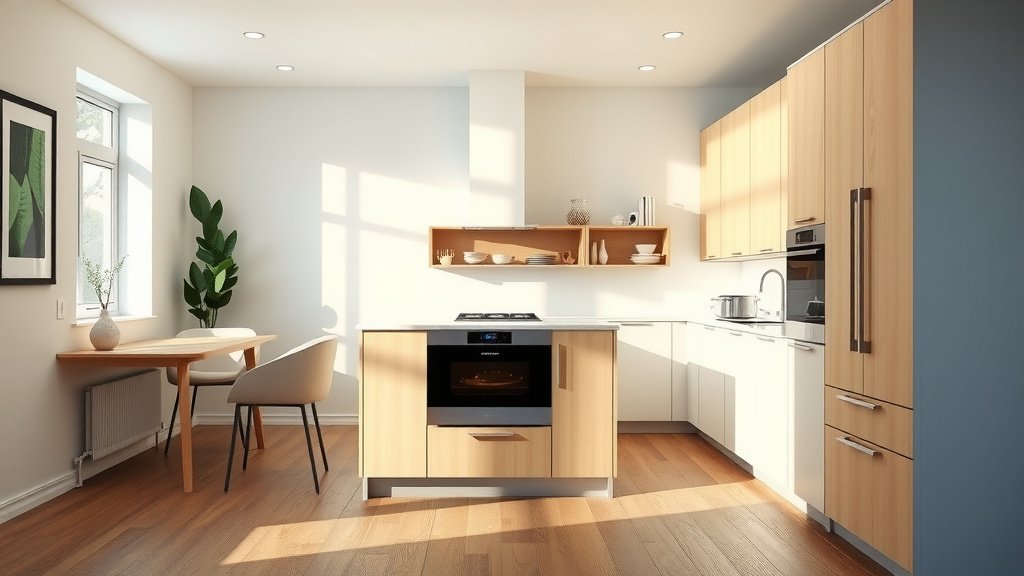
Yes, you can absolutely put a single wall oven in a kitchen island, but it requires careful planning and adherence to specific installation requirements.
Installing a single wall oven in an island is a popular design choice, offering convenience and a sleek look for your cooking space.
- An island oven is possible with the right kitchen design.
- You need adequate space, specific cabinetry, and proper electrical wiring.
- Effective ventilation is critical to manage heat and cooking fumes.
- Always check local building codes and consider professional installation for safety.
- It offers great accessibility but might reduce available counter space on the island.
Can You Put A Single Wall Oven In An Island?
You can certainly put a single wall oven in an island. Many homeowners find this a very practical and stylish option for their kitchen layout.
Why Consider an Island Oven?
Thinking about an island oven often starts with imagining your ideal kitchen. Perhaps you want to free up wall space, or maybe your current layout feels cramped.
An island oven can improve kitchen flow. It might place your baking station closer to your prep area, making cooking feel more intuitive. This can genuinely change how you use your kitchen.
The Practical Side of Island Ovens
Having an oven at waist height means no more bending over. This is a huge benefit for your back and knees, especially when lifting heavy dishes. It is about making your daily cooking easier.
We found that many people appreciate the accessibility. This thoughtful placement can enhance your cooking experience significantly.
Key Considerations for Island Oven Installation
While the idea of an island oven sounds great, it is not just a simple matter of dropping it in. You need to think about several practical aspects before you commit.
For a successful and safe installation, some important factors come into play. Each element needs careful attention and often professional assistance.
Space and Cabinetry Requirements
An island oven needs a dedicated cabinet. This cabinet must be the correct size for your chosen oven. You cannot just use any standard base cabinet for this appliance.
Manufacturers specify exact cut-out dimensions. Many experts say that proper cabinet support is vital for appliance longevity and safety (National Kitchen & Bath Association).
Electrical Wiring – A Big Deal
Ovens draw a lot of power. They need a dedicated electrical circuit, meaning its own breaker in your electrical panel. This is not something to overlook.
We found that improper wiring is a significant safety risk. Always consult a qualified electrician to ensure your island can safely power your oven.
Ventilation: The Often-Forgotten Hero
When you cook, heat, steam, and odors rise. In an island setting, these do not have a wall to direct them. You need a robust ventilation system.
Options include a downdraft vent, which rises from the countertop, or a ceiling-mounted hood. A good vent will keep your kitchen air clean and prevent grease buildup. We found that effective ventilation is key for kitchen comfort (ASHRAE guidelines).
Countertop Material Matters
The countertop around your oven will be exposed to heat. Some materials handle heat better than others. Think about granite, quartz, or stainless steel.
You also need enough landing space on either side of the oven. This provides a safe spot for hot dishes. Many guidelines point to ample counter space as a good first step (Kitchen Design Institute).
Building Codes and Safety
Local building codes dictate specific requirements for appliance installation. These codes ensure your safety and the integrity of your home. They cover everything from electrical to ventilation.
Always check with your local authorities or a licensed contractor. They can confirm that your plan meets all necessary standards. This step is non-negotiable for peace of mind.
The Pros and Cons: Weighing Your Options
Every design choice has its ups and downs. An island oven is no different. Let’s look at what you might gain and what challenges you might face.
Thinking through these points will help you make a well-informed decision. It is about finding the best fit for your lifestyle and kitchen space.
Benefits of an Island Wall Oven
- Improved Accessibility: No bending low to access dishes.
- Sleek Design: Creates a modern, uncluttered look.
- Optimized Workflow: Can place cooking nearer prep zones.
- Extra Wall Space: Frees up cabinets or windows on main walls.
- Sociable Cooking: Allows you to face guests while baking.
Potential Drawbacks
One major consideration is the loss of counter space on your island. The oven opening reduces your available flat surface. This can impact your prep area.
Cost is another factor. Installation for an island oven can be more expensive. This is due to the complex electrical and ventilation work. Safety is paramount, especially with small children around. A hot oven at island height might be a concern for some families.
Installation: DIY or Pro?
Installing a single wall oven, especially in an island, is not a simple task. It involves electrical work, custom cabinetry, and sometimes structural changes.
We found that attempting a DIY installation without the right skills can lead to significant problems. These range from safety hazards to voided warranties. It is often best to hire professionals for this type of project.
| Aspect | DIY Installation | Professional Installation |
|---|---|---|
| Cost | Lower upfront (materials only) | Higher (labor + materials) |
| Expertise | Requires advanced skills (electrical, carpentry) | Licensed, experienced tradespeople |
| Safety | Higher risk of errors or hazards | Ensured code compliance and safety |
| Warranty | May void appliance warranty if done incorrectly | Protects warranty; often includes installation warranty |
| Time | Can be time-consuming, unexpected delays | Efficient, completed within expected timeframe |
| Results | Variable quality, potential issues | High-quality, reliable, aesthetically pleasing |
Checklist: Is an Island Oven Right for You?
Before you make a final decision, ask yourself these questions. This quick checklist can help you determine if an island oven aligns with your kitchen vision and practical needs.
- Do you have enough island space for the oven and surrounding counter space?
- Is your electrical system ready for a dedicated oven circuit?
- Are you prepared for the cost and complexity of proper ventilation?
- Have you considered the impact on your workflow and social interactions?
- Are you comfortable with the safety implications for your household?
Conclusion
Putting a single wall oven in your kitchen island is a fantastic idea for many homes. It offers great ergonomic benefits and a modern aesthetic. However, it is not a decision to take lightly.
You need to plan carefully for space, electrical needs, and proper ventilation. Remember, local building codes are there to keep you safe. Consulting with skilled professionals can save you headaches later. With the right planning and expert help, your island oven can become a much-loved and functional centerpiece of your kitchen.
FAQ: Can I install a regular oven in an island?
You can install a single wall oven in an island, but it must be specifically designed as a “wall oven.” Standard range ovens, which combine a cooktop and an oven, are not suitable for island installation because of their top-heavy design and ventilation needs.
FAQ: How much counter space do you need around an island oven?
While specific codes vary, many kitchen design guidelines recommend at least 15-18 inches of clear counter space on one side of a wall oven, and at least 12 inches on the other. This provides a safe landing zone for hot dishes.
FAQ: What kind of ventilation is best for an island oven?
For an island oven, you will typically need either a downdraft ventilation system, which pulls air downwards from the cooking surface, or a ceiling-mounted range hood. The best option depends on your island design, ceiling height, and cooking habits. Ceiling hoods often offer more powerful extraction.
FAQ: Are island ovens safe for families with children?
Island ovens can be safe for families with children, but require extra consideration. Being at a lower height, children might access them more easily. Look for ovens with cool-touch doors and consider child-proof locks or safety gates around the island during cooking times for added security.
FAQ: Can I put a double wall oven in an island?
Installing a double wall oven in an island is generally more challenging and less common than a single oven. The main issues are the sheer size, weight, and even greater ventilation requirements. It would require a very large and structurally robust island, often necessitating custom cabinetry and advanced planning. Most islands are designed for a single wall oven.
