
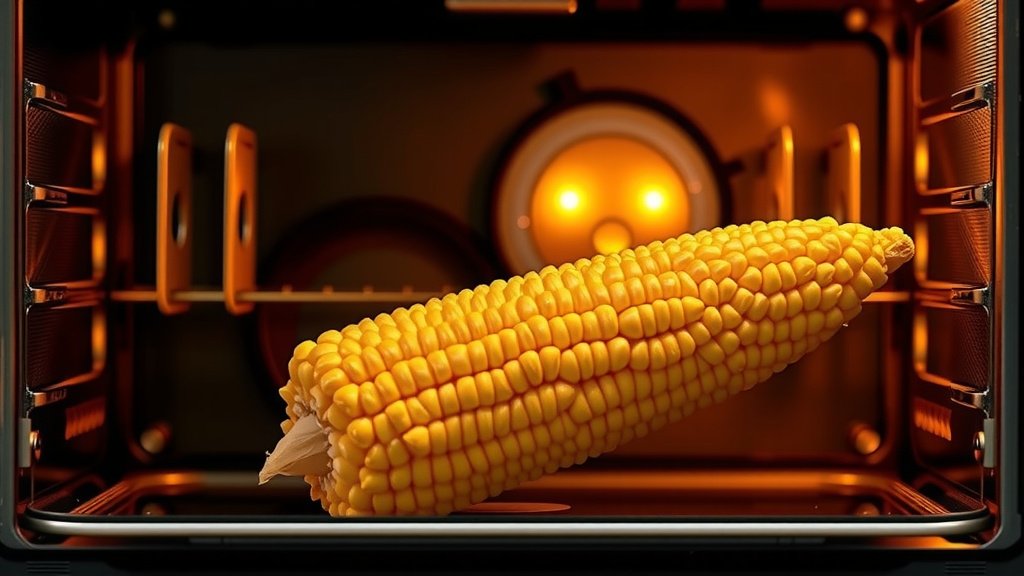
To make rotisserie corn on the cob, you’ll first prepare your fresh ears of corn with a light oil and seasoning before securing them onto a rotisserie spit.
Then, you’ll cook the corn slowly over even heat, allowing the rotisserie action to ensure a perfectly roasted and caramelized exterior on each cob.
- Rotisserie corn offers a unique, smoky flavor and ensures even cooking.
- Preparation involves husking, cleaning, oiling, and seasoning the corn.
- Secure corn tightly onto a rotisserie spit for balanced rotation.
- Cook slowly over medium-low heat until tender and slightly charred.
- Experiment with different seasonings and basting techniques for best results.
How To Make Rotisserie Corn On The Cob?
Making rotisserie corn on the cob is a fantastic way to elevate your side dish. It involves gently roasting corn on a rotating spit, which gives you even cooking and delicious charring all around.
You’ll love how this method brings out the corn’s natural sweetness, often with a subtle smoky touch. It’s a real crowd-pleaser for any outdoor meal or family dinner.
Why Rotisserie Corn On The Cob Is A Wonderful Idea
Have you ever struggled with unevenly cooked corn on a standard grill? Rotisserie cooking solves that common problem. It constantly turns the corn, ensuring every kernel gets exposed to the heat evenly.
This consistent rotation leads to a beautifully golden-brown finish and a tender, juicy inside. Many experts say this method produces some of the most flavorful corn you can make (Food Network).
Gathering Your Essentials: What You’ll Need
Before you start, let’s make sure you have everything ready. You don’t need much, but having the right tools and ingredients makes the process smooth and enjoyable.
Preparation is key for a successful outcome. What’s in your kitchen already that you can use?
Fresh Corn Selection
Picking the right corn is your first step to success. Look for ears with bright green husks that are tightly wrapped. They should feel plump and firm when you gently squeeze.
Avoid corn with dry husks or visible blemishes. These might indicate older or damaged ears, which won’t give you the best flavor.
Tools Of The Trade
Your rotisserie kit is essential, of course. This includes the spit rod, forks, and the motor itself. You might also want a basting brush for applying oil or butter during cooking.
A sharp knife for trimming and a large bowl for seasoning will also come in handy. We found that having these items organized makes the process much less stressful.
Seasoning Secrets
A simple combination works wonders for rotisserie corn. You’ll need some olive oil or melted butter to help the seasonings stick and promote browning.
Salt and black pepper are must-haves. Consider garlic powder, paprika, or a touch of chili powder for an extra flavor kick, if you enjoy bolder tastes.
Preparing Your Corn For The Spit
This part is all about getting your corn clean and ready to absorb those delicious flavors. Think of it as preparing a canvas for a culinary masterpiece.
A little care here goes a long way towards perfect rotisserie corn. You want each ear to be ready for its starring role.
Husking, Cleaning, and Drying Your Corn
Carefully pull back the green husks from each ear of corn. You can remove them entirely or leave a few layers at the base to create a convenient handle.
Next, remove all the silky strands. These can be stubborn, but persistence pays off for a clean eating experience. Then, rinse and pat the corn thoroughly dry.
It’s vital that the corn is dry, as research often connects dry surfaces to superior browning and a better crust (Cook’s Illustrated).
The Flavor Foundation: Oiling And Seasoning
Brush each ear lightly with olive oil or melted butter. This thin layer helps the seasonings stick and creates a lovely golden crust as it cooks.
Sprinkle your chosen seasonings liberally over each cob, rotating to ensure even coverage on all sides. Don’t be shy with the salt and pepper!
Mastering The Rotisserie Setup
Getting your corn onto the rotisserie spit correctly is crucial for even cooking. A well-balanced spit will rotate smoothly, ensuring every part of the corn cooks perfectly.
If the spit is unbalanced, it might wobble or stop turning, leading to unevenly cooked spots. We found that a few simple tricks make a big difference.
Securing and Balancing the Corn
Carefully slide the corn onto the rotisserie spit rod. Use the rotisserie forks to secure the ears tightly at both ends, pressing them firmly into the corn.
Many experts recommend arranging the corn so there’s a slight gap between each ear. This allows for better airflow and browning during the rotation.
Once on the spit, test its balance by holding it horizontally. If one side feels heavier, redistribute the corn slightly. A balanced load ensures a smooth, consistent spin.
Cooking Your Rotisserie Corn To Perfection
Now comes the fun part: watching your corn transform! The rotisserie action works its magic, slowly roasting the corn until it’s tender and subtly caramelized.
Patience is a virtue here. Resist the urge to rush the process; the slow roast is what creates that fantastic depth of flavor you’re after.
Heat, Timing, and Basting Techniques
Set your grill or oven to a medium-low heat, around 300-350°F (150-175°C). You want a gentle, consistent heat rather than a scorching one. This allows the corn to cook through without burning.
Rotisserie corn typically cooks for about 30-45 minutes. Look for the kernels to become plump and vibrant yellow, with some beautiful charring appearing on the edges. A quick taste test will confirm if it’s ready to enjoy.
For an even richer flavor, you can baste the corn periodically during the last 15-20 minutes. Melted butter with fresh herbs like parsley or cilantro works wonderfully.
- Melted butter and a pinch of salt
- Garlic butter for a savory kick
- Lime juice and chili powder for a Mexican street corn vibe
- Honey and a touch of cayenne for sweet heat
Common Mistakes To Avoid
Even seasoned cooks can sometimes make small errors. Knowing what to watch out for can help you achieve perfect rotisserie corn every single time.
Let’s make sure your rotisserie corn experience is a smooth and delicious one. A little foresight can prevent common pitfalls.
Trying to fit too many ears of corn onto one spit can hinder even cooking. The corn needs space to rotate freely and receive consistent heat. We found that leaving a small gap between each ear works best.
A patchy seasoning job means some bites will be bland while others are perfect. Take a moment to roll the oiled corn in your seasonings thoroughly for a consistent flavor profile.
Turning up the heat too high in an attempt to cook faster can lead to burnt exteriors and raw interiors. The rotisserie method thrives on gentle, consistent heat, yielding a superior taste and texture.
Expert Tips For Next-Level Rotisserie Corn
Ready to take your rotisserie corn from great to absolutely unforgettable? A few extra touches can really make your dish stand out.
Consider these ideas to impress your guests and treat your taste buds. There’s always room for a little culinary creativity!
After cooking, try a squeeze of fresh lime juice and a sprinkle of crumbled cotija cheese for a Mexican-inspired twist. Or, a dusting of smoked paprika can add a wonderful depth.
Many chefs suggest experimenting with different fresh herbs like chopped chives or cilantro mixed with a pat of butter right before serving for a burst of freshness.
Rotisserie corn is fantastic on its own, but it also makes an excellent side for grilled chicken, ribs, or steak. It’s perfect for picnics, barbecues, or even a casual weeknight dinner.
Consider serving it with a variety of toppings on the side so everyone can customize their own ear. Think about a mini corn bar at your next gathering!
Let’s look at some popular seasoning combinations to inspire your next batch of rotisserie corn.
| Flavor Profile | Key Ingredients | Best Served With |
|---|---|---|
| Classic Butter & Salt | Melted butter, sea salt, black pepper | Almost anything, especially BBQ meats |
| Spicy Southwest | Olive oil, chili powder, cumin, smoked paprika, lime juice | Tacos, grilled chicken, fajitas |
| Garlic Herb | Melted butter, minced garlic, dried parsley, thyme | Roasted chicken, pork chops |
| Sweet & Smoky | Olive oil, brown sugar, paprika, a pinch of cayenne | Pulled pork, brisket |
To ensure you don’t miss any steps, here’s a quick checklist before you fire up the rotisserie:
- Corn husked and de-silked?
- Corn washed and patted dry?
- Ears lightly oiled?
- Seasonings applied evenly?
- Spit rod and forks clean and ready?
- Corn secured and balanced on the spit?
Conclusion
Making rotisserie corn on the cob is a surprisingly simple yet incredibly rewarding cooking method. It brings out the corn’s best qualities, from its natural sweetness to a delightful charred exterior.
By following these steps, from careful preparation to slow, even cooking, you’re sure to create a dish that everyone will rave about. So, next time you’re planning a meal, remember the rotisserie – your corn will thank you for it!
What kind of corn is best for rotisserie cooking?
Sweet corn is generally the best choice for rotisserie cooking due to its natural sugars that caramelize beautifully. Varieties like Super Sweet or Ambrosia work wonderfully, offering a tender texture and rich flavor when roasted.
Can I use frozen corn on the cob on a rotisserie?
While fresh corn is ideal, you can use frozen corn on the cob. Make sure to thaw it completely and pat it very dry before oiling and seasoning. This prevents excess moisture from steaming the corn instead of roasting it.
How do I prevent the corn from falling off the rotisserie spit?
To keep corn secure, ensure you press the rotisserie forks deeply into the ends of the cobs. You can also use butcher’s twine to tie the corn tightly to the spit in a few places, especially if you’re cooking many ears.
Can I add other vegetables to the rotisserie with the corn?
Absolutely! You can rotisserie other sturdy vegetables like bell peppers, onions, or zucchini alongside the corn. Just ensure they are cut into similar-sized pieces and secured well, or placed in a rotisserie basket, so they cook evenly.
What are some creative ways to serve leftover rotisserie corn?
Leftover rotisserie corn can be cut off the cob and used in salads, salsas, or added to chili. It’s also delicious in corn fritters, a creamy corn chowder, or simply reheated and mixed with butter and herbs.
