
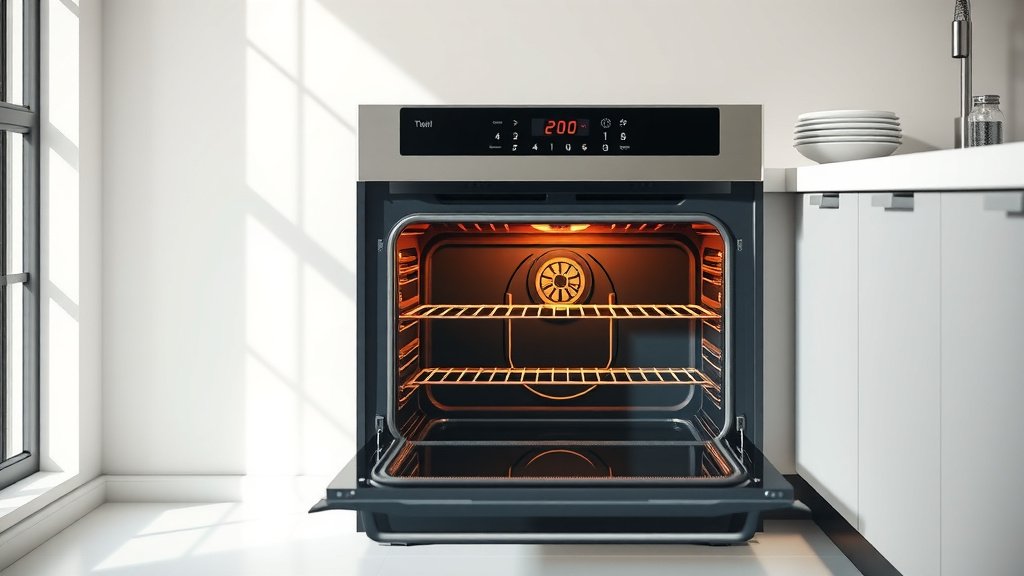
No, an electric oven fundamentally relies on its heating elements to generate the necessary heat for cooking. Without these elements working, your electric oven cannot heat up.
An electric oven will not heat without a functional element because these components are the sole source of radiant and convective heat within the appliance.
Here’s a quick overview of what you will learn:
- Electric ovens need working elements to produce heat.
- A broken element means your oven will not cook properly, or at all.
- Ignoring a faulty element can pose safety risks.
- You can often diagnose element problems yourself.
- Replacing an element might be a DIY task or need a professional.
- Other oven parts, like the convection fan, do not produce heat.
Can Electric Oven Heat Without Element?
The straightforward answer is no, an electric oven cannot heat without a working element. These elements are the heart of your oven’s heating system.
They are responsible for converting electricity into the heat that cooks your food.
Understanding How Your Electric Oven Works
Think of your electric oven like a giant toaster oven, but with more control. It uses electricity to create heat.
This heat then cooks your food through a combination of radiant heat and convection.
The Role of Heating Elements
Electric ovens typically have at least two main heating elements. There’s a bake element, usually at the bottom, and a broil element, found at the top.
These metal coils glow red hot when electricity flows through them, much like an old-fashioned light bulb filament.
What Happens If an Element Fails?
If an element stops working, your oven’s ability to heat becomes severely limited. You might notice uneven cooking or a complete lack of heat.
It’s like trying to drive a car with no gas in the tank; it simply won’t go anywhere.
Top Element vs. Bottom Element
The bottom bake element does most of the work for baking and roasting. If it fails, your food won’t cook from underneath.
The top broil element is for high, direct heat, used for browning and searing. A broken broil element means no crispy tops or perfectly melted cheese.
Can You Still Cook With a Broken Element?
We found that cooking with a broken element is not a good idea. Your food will cook unevenly, or not at all.
It also wastes electricity and can even make your oven work harder, leading to more issues.
Safety First with Oven Issues
Many experts say that any electrical appliance showing signs of trouble needs attention (Electrical Safety Foundation International).
A failing element can create fire hazards or electrical shocks, so it’s best to address the problem quickly.
Signs Your Oven Element Is Failing
How do you know if an element is giving up the ghost? Look for these clues:
- Your oven doesn’t heat up to the set temperature.
- Food is cooking unevenly, maybe burned on top but raw on the bottom.
- The element itself looks cracked, blistered, or broken.
- There’s a strong, burning plastic smell coming from the oven.
- The element does not glow red when the oven is on.
Diagnosing an Oven Element Problem
Sometimes, figuring out which element is the culprit is simple. Other times, it takes a bit more detective work.
Do you see anything odd inside your oven?
Visual Inspection
Often, a faulty element will have visible damage. You might see a clear break in the coil or bubbling along its surface.
Make sure the oven is off and cool before you look closely. Always prioritize your safety.
Troubleshooting Steps
First, check your oven’s circuit breaker to make sure it hasn’t tripped. If the breaker is fine, then it is likely an element issue.
If one element glows red and the other does not, you’ve probably found your problem.
Replacing a Faulty Element
Replacing an oven element is often a fairly straightforward repair. Many people choose to do it themselves.
However, it is vital to be careful and follow all safety steps.
| Task | DIY Approach | Professional Approach |
|---|---|---|
| Difficulty | Moderate (requires some tools) | Easy (they handle everything) |
| Cost | Part cost only ($20-$100) | Part cost + labor ($150-$300+) |
| Time | 30 minutes to 1 hour | Depends on availability |
| Tools Needed | Screwdriver, pliers, multimeter | Specialized tools |
| Safety Risk | Moderate (electrical hazard) | Low (trained experts) |
DIY vs. Professional Repair
If you’re comfortable with basic electrical work and know how to disconnect power, a DIY replacement might save you money.
However, if you’re unsure, or dealing with a gas oven igniter (not an electric element), calling a qualified technician is always best (Consumer Reports).
Beyond the Elements: Other Oven Heating Systems
While elements are key for electric ovens, some ovens use other heating methods.
Gas ovens, for example, use an igniter to light natural gas.
Convection Fan’s Role
Many modern electric ovens have a convection fan. This fan circulates the hot air inside the oven.
While it helps cook food more evenly and often faster, the fan itself does not create heat. It just moves the heat the elements produce.
Maximizing Oven Lifespan
Want your oven elements to last as long as possible? Follow these tips:
- Clean spills promptly to keep elements clear.
- Avoid using abrasive cleaners on elements.
- Preheat your oven properly before adding food.
- Don’t block vents or elements with foil.
- Address minor issues before they become major repairs.
Conclusion
Your electric oven is a marvel of modern convenience, but it is utterly dependent on its heating elements. Without them functioning correctly, you simply won’t get the heat you need to bake those cookies or roast that chicken.
If you suspect an element is failing, it’s wise to investigate the issue quickly. Whether you tackle it yourself or call a professional, getting it fixed ensures your kitchen stays safe and your meals turn out perfectly.
Can a broken element cause an electric oven to spark?
Yes, a severely broken or damaged heating element can sometimes cause sparking or even a small flame. This usually happens if the internal wiring of the element is exposed or shorting out, creating a potential fire hazard.
How long do electric oven heating elements typically last?
Electric oven heating elements often last between 5 to 10 years, depending on usage and maintenance. Heavy use, frequent temperature changes, and accidental damage can shorten their lifespan.
Is it normal for a new oven element to smoke or smell?
Yes, it can be normal for a new heating element to emit a slight smoke or odor during its first few uses. This is usually due to protective coatings burning off. Running the oven empty for 30 minutes at a high temperature can help burn this off.
Can a faulty thermostat be mistaken for a broken heating element?
Absolutely. A faulty thermostat might prevent the oven from reaching or maintaining the correct temperature, making it seem like the elements aren’t working. It’s wise to test the elements directly or have a technician diagnose the problem to find the true cause.
Why is my oven taking a very long time to preheat?
If your oven is slow to preheat, it could be a sign of a weakening heating element that isn’t producing full heat, or a thermostat that isn’t sensing the temperature correctly. Sometimes, it can also be due to a faulty oven sensor.
