Smart ovens do not automatically use more electricity than their traditional counterparts for basic cooking functions. Their core heating elements consume similar power to heat food.
However, the added smart features like Wi-Fi connectivity and advanced displays draw a small amount of extra electricity, primarily in standby mode.
- Smart ovens often use similar energy for cooking as traditional models.
- Extra features like Wi-Fi add minimal standby power usage.
- Energy Star ratings can help you find efficient smart ovens.
- Remote control and precise cooking might even save energy in the long run.
- Your cooking habits impact electricity use more than the “smart” label.
Do Smart Ovens Use More Electricity?
Generally, smart ovens do not use more electricity than traditional ovens for the actual cooking process. The real difference lies in their additional features and how you use them.
You might be wondering if that shiny new smart oven will spike your energy bill. It’s a common concern, right?
Let’s break down how ovens use power and where those “smart” features fit in.
What Makes an Oven “Smart”?
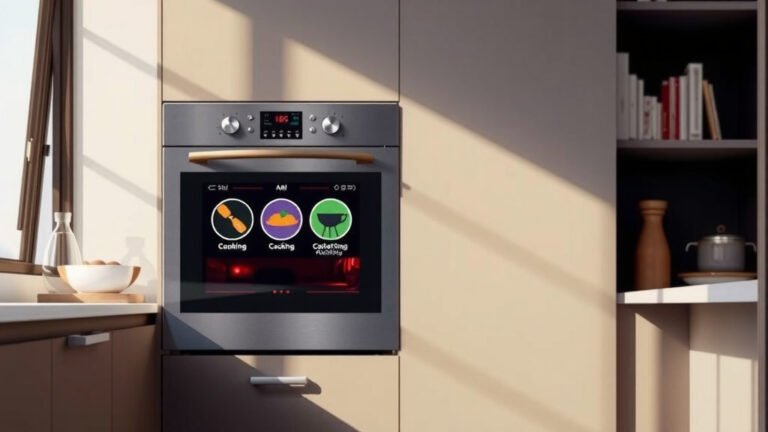
A smart oven is more than just a box that heats up. It often connects to your home Wi-Fi. This allows for features like remote control from your phone.
You might also find cameras, advanced sensors, and digital displays. These are all part of the “smart” experience.
The Core Energy Drain: Heating Elements
The biggest energy user in any oven, smart or not, is the heating element itself. This is what generates the heat to cook your food. We found that this component demands the most power.
Whether it’s an electric coil or a gas burner (which still uses electricity for ignition and controls), this is where the bulk of your oven’s energy goes. There’s not much difference here between smart and traditional models.
Decoding the “Smart” Power Draw
The extra features of a smart oven do consume power. But how much? It’s usually a small amount, not a massive drain.
Think of it like the difference between a basic phone and a smartphone. Both make calls, but one does a lot more in the background.
Wi-Fi and Connectivity
Your smart oven needs Wi-Fi to communicate. This Wi-Fi module draws a tiny bit of power constantly. It’s like how your phone uses battery even when idle.
However, this is generally a very low-wattage draw. It’s not heating your food, just keeping the connection alive. Many experts say this is negligible (Energy Star).
Digital Displays and Cameras
Those fancy digital displays and internal cameras? They also need electricity. A bright, always-on display will use more power.
Some models let you dim or turn off the display when not in active use. Cameras only use power when you activate them to check on your meal.
Advanced Sensors and AI
Smart ovens often have sensors for temperature or even food recognition. These sensors are usually very efficient. They don’t draw much power at all.
The “AI” part, if any, is usually processing simple commands. It’s not running complex calculations continuously.
Standby Power: A Hidden Cost?
Yes, smart ovens have standby power. This means they draw a little electricity even when “off.” This is for maintaining Wi-Fi, clock, and instant power-on. Research often connects these features to minor, continuous energy use.
But how much is “a little”? For most smart appliances, this “vampire drain” is very small. We found that it’s often only a few watts, costing you pennies over a month.
The Energy Star Advantage
When buying an oven, look for the Energy Star label. This means the appliance meets strict energy efficiency guidelines set by the EPA. Energy experts explain these ovens are designed to use less energy overall.
Many smart ovens are also Energy Star certified. This shows that “smart” doesn’t have to mean “energy hog.”
Can Smart Features *Save* You Electricity?
This is where it gets interesting! Smart features, when used wisely, can actually help reduce your electricity use. Think of it as having a helpful assistant in the kitchen.
It’s not just about what the oven consumes, but also how it helps you manage your cooking.
Precise Cooking and Reduced Waste
Smart ovens often offer incredibly precise temperature control. This means less wasted heat and more efficient cooking. You get the right temperature, every time.
Some can even suggest optimal cooking times and temperatures, preventing overcooking or re-heating. This saves both food and energy!
Remote Monitoring and Preheating
Ever preheat your oven and then forget about it for 15 minutes? Guilty as charged!
With remote control, you can start preheating on your way home. It’s ready exactly when you are, cutting down on idle preheat time. Consumer reports often note this as a significant benefit.
Your Habits Matter More Than You Think
Ultimately, how you use your oven has the biggest impact on electricity consumption. A smart oven, used inefficiently, will still use a lot of power. A traditional oven, used smartly, can be very efficient.
Think about these habits:
- Don’t peek often: Opening the oven door lets out heat, making it work harder to recover.
- Use the right size pan: A small pan in a large oven wastes energy.
- Defrost first: Cooking frozen food requires more energy.
- Clean regularly: A dirty oven can operate less efficiently.
Smart vs. Traditional: A Quick Look
Let’s compare some general characteristics to clarify things.
| Feature | Traditional Oven | Smart Oven |
|---|---|---|
| Core Cooking Energy | High (for heating) | High (for heating) |
| Standby Power | Very Low (clock) | Low (Wi-Fi, display, clock) |
| Efficiency Potential | Depends on user | Can improve with features |
| Convenience | Basic | Enhanced (remote, pre-sets) |
Making the Smart Choice
If you’re still on the fence about a smart oven, here’s a quick checklist to guide your decision:
- Check Energy Star rating: Prioritize certified models for proven efficiency.
- Consider your usage: Will you actually use the smart features to save time or energy?
- Read reviews: See what other users say about specific models’ energy performance.
- Factor in convenience: The time-saving aspects can sometimes outweigh minimal extra power.
- Focus on core needs: If basic cooking is all you need, a simple, efficient model might be best.
Conclusion
So, do smart ovens use more electricity? The short answer is, not significantly for cooking itself. Their additional features draw a small amount of extra power, mainly in standby mode. This usage is generally minimal.
The true impact on your electricity bill comes down to your cooking habits and the oven’s overall efficiency rating. A smart oven, used wisely, could even offer energy-saving benefits. Choosing an Energy Star model is your best bet for an efficient appliance, smart or otherwise. Don’t let the “smart” label scare you from potential convenience and efficiency!
What is “vampire drain” in ovens?
Vampire drain, also known as standby power, is the small amount of electricity an appliance uses when it’s plugged in but not actively in use. For smart ovens, this powers things like the clock, Wi-Fi module, and digital display while the oven is “off.”
Can a smart oven’s remote features save energy?
Yes, remote features can potentially save energy. For example, you can preheat your oven precisely when you need it, avoiding unnecessarily long preheating times. You can also monitor cooking remotely, reducing the need to open the oven door and lose heat.
Are smart ovens more expensive to buy than traditional ovens?
Generally, smart ovens tend to have a higher upfront cost due to their advanced technology and features. However, prices vary widely depending on brand, size, and specific capabilities. You can find basic traditional ovens at lower price points.
Do all smart ovens come with an Energy Star rating?
No, not all smart ovens have an Energy Star rating. While many do, it’s important to check for the official Energy Star label on the appliance or its specifications. This rating indicates that the oven meets specific efficiency standards.
How can I minimize electricity use with my smart oven?
To minimize electricity use, focus on efficient cooking habits like avoiding frequent door opening, ensuring your oven is clean, using proper cookware, and defrosting food first. Also, utilize smart features like precise temperature control and preheating management to your advantage.