
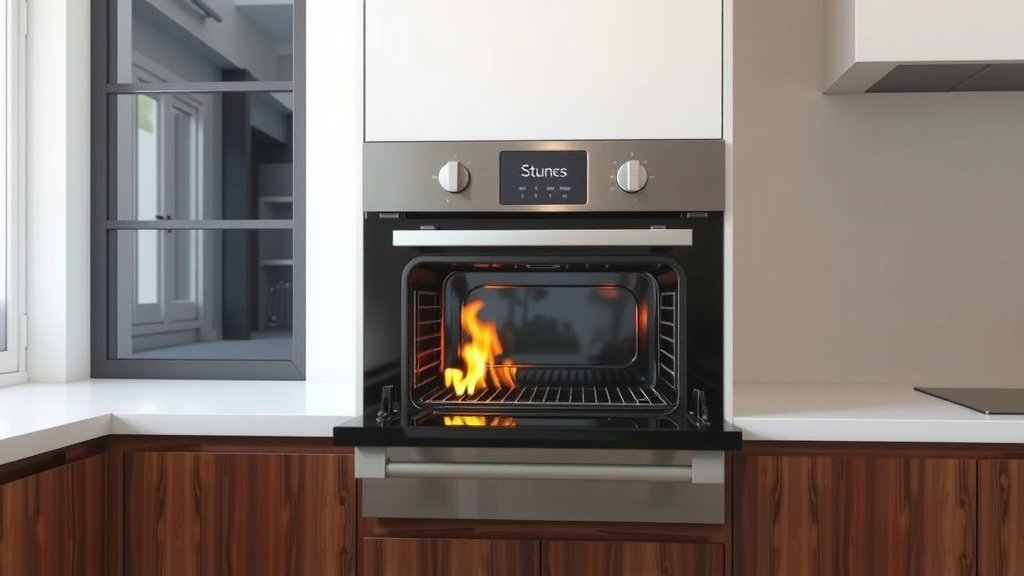
Generally, a gas oven does need electricity to work efficiently, primarily for its ignition system and electronic controls.
While the gas itself fuels the heat, modern gas ovens rely on an electric current to ignite the burner and power features like the clock and interior light.
- Most modern gas ovens require electricity for ignition and electronic features.
- Older gas ovens might work without electricity, using a pilot light.
- No electricity means no automatic ignition, oven light, or digital display.
- You can often light a modern gas oven manually during a power outage, but some features remain off.
- Always prioritize safety when attempting to manually light your gas oven.
Does A Gas Oven Need Electricity To Work?
Yes, for most modern models, a gas oven needs electricity to function correctly, especially for its igniter and electronic components.
While gas provides the heat, electricity powers the spark that gets the flame going and runs your oven’s smart features.
You might be wondering, “Why do I need electricity if it’s a gas oven?” It’s a common question.
Think of it like this: the gas is the fuel, but electricity is the starter. Without that initial spark, the gas won’t ignite and create the heat you need for baking or roasting.
The Difference: Modern vs. Older Gas Ovens
The answer really depends on how old your gas oven is. There’s a big difference between models from decades past and the ones you find in stores today.
Older gas ovens often had what’s called a standing pilot light. This tiny, continuous flame was always on, ready to ignite the gas whenever you wanted to cook.
These older models could frequently operate during a power outage because they didn’t rely on electricity for ignition. Just turn the knob, and the pilot light did its job.
Modern gas ovens, however, have mostly moved away from pilot lights. They use electronic ignition systems, which are much safer and more energy-efficient (Many experts confirm this shift for safety reasons).
What Electricity Powers in Your Gas Oven
So, where does that electricity go in your gas oven? It’s more than just the igniter.
Electricity is the lifeblood for several convenient features that make modern ovens so user-friendly.
- Electronic Igniter: This is the most important part. When you turn on your oven, an electric current heats a small igniter, creating the spark that lights the gas.
- Digital Display and Clock: Almost all new ovens feature a digital clock and timer. These need electricity to work.
- Internal Oven Light: Want to peek at your food without opening the door? The oven light runs on electricity.
- Convection Fan: Many gas ovens now include a convection fan to circulate hot air. This fan is powered by electricity.
- Safety Valves: Some gas safety valves also have electrical components to ensure they open and close properly.
Can You Use a Gas Oven During a Power Outage?
This is where it gets interesting. If your power goes out, your modern gas oven’s electronic ignition won’t work.
Does this mean you’re out of luck? Not necessarily, but it requires caution and some manual intervention.
Manually Lighting Your Gas Oven: A Step-by-Step Guide
In many modern gas ovens, you can manually light the oven burner if the electricity is out. We found that this is a common workaround for power interruptions.
You’ll need a long match or a grill lighter. Always read your oven’s instruction manual first, as procedures can vary (Manufacturers strongly recommend consulting your manual).
Here’s a quick checklist for manual ignition:
- Confirm the power is actually out.
- Locate the oven’s gas burner and igniter hole.
- Turn the oven temperature knob to its lowest setting.
- Hold a lit match or lighter near the igniter port.
- You should hear a hiss of gas; the flame should light within a few seconds.
- Remove the match/lighter once the burner is lit.
- If it doesn’t light quickly, turn off the gas, wait a few minutes, and try again.
Remember, always prioritize safety. If you smell a strong gas odor, do not attempt to light it. Turn off the gas supply and ventilate your home.
Gas Stove Top Burners: A Different Story
What about your stovetop burners? They often behave differently from the oven during a power outage.
Most gas stovetop burners can be lit manually with a match or lighter, even if the electricity is off. You’ll turn the knob to the “light” setting and then bring a flame to the burner.
The electronic igniters for the stovetop won’t spark, but the gas flow is still there. This means you can usually cook on your stovetop when the oven is dark.
Comparing Gas and Electric Oven Dependence
Let’s look at the basic dependence of each oven type on electricity. This can help you decide what’s best for your home.
| Feature | Gas Oven | Electric Oven |
|---|---|---|
| Primary Heat Source | Natural Gas/Propane | Electricity |
| Requires Electricity for Ignition? | Yes (modern models) | N/A (electricity is heat source) |
| Manual Lighting Possible (Oven)? | Often (modern models) | No |
| Stovetop Works During Outage? | Often (manual light) | No |
| Electronic Features (Clock, Light, Fan) | Require Electricity | Require Electricity |
As you can see, an electric oven is completely dependent on electricity for all its functions, including generating heat.
A gas oven offers a bit more flexibility during power interruptions, especially for the stovetop and potentially the oven if you’re comfortable with manual lighting.
Energy Consumption: How Much Electricity Does a Gas Oven Use?
You might be surprised by how little electricity a gas oven actually consumes compared to an all-electric model.
The main energy draw for a gas oven is the gas itself, which is burned to create heat. The electrical components are quite minimal in their power usage.
We found that the igniter typically uses power only for a short burst to light the gas. Other components like the clock and light consume very little electricity overall.
So, while it needs electricity, a gas oven won’t significantly impact your electricity bill for its electrical functions alone.
Troubleshooting When Your Gas Oven Won’t Light
If your gas oven isn’t lighting, and it’s not a power outage, what could be the problem?
It’s often related to the electrical components, even if the oven is primarily gas-powered.
Common Issues and Checks
Is your gas oven playing hard to get? Here are a few things you can check:
First, make sure the oven is properly plugged in and that the circuit breaker hasn’t tripped. Sometimes the simplest solutions are the right ones.
Next, check if the gas supply valve is open. It’s usually a small lever or knob behind the oven or under your sink. A closed valve means no gas, no flame.
If your stovetop burners are also not lighting, it could indicate a larger gas supply issue or an electrical problem affecting the whole unit.
When to Call a Professional
While some basic troubleshooting is fine, know your limits. Gas appliances require careful handling.
If you suspect a gas leak (a distinct sulfur or rotten egg smell), turn off the gas supply and leave your home immediately. Then, call your gas company and a qualified appliance technician from a safe location (Many utility companies provide clear guidelines for this).
If the oven is still not lighting after checking simple things, or if you’re uncomfortable with any part of the process, it’s always best to call a certified appliance repair professional.
They have the tools and training to diagnose and fix issues safely. Don’t take chances with gas.
Conclusion
So, does a gas oven need electricity to work? For most modern homes, the answer is a clear yes.
Electricity fuels the ignition, powers the convenient digital features, and ensures your oven operates safely and efficiently. While older models had pilot lights, today’s ovens rely on that electrical spark.
During a power outage, your gas oven’s electronic brains go dark. However, the ability to manually light the oven, and often the stovetop, provides a practical workaround. Remember to always prioritize safety if you choose this route.
Understanding this relationship between gas and electricity helps you get the most out of your kitchen appliance. You’re now better equipped to handle cooking, even when the lights go out.
Can I use my gas oven if the pilot light goes out?
If your older gas oven’s pilot light goes out, you will need to relight it manually. Consult your oven’s manual for specific instructions, as it typically involves holding a flame to the pilot opening until it ignites.
Why is my gas oven clicking but not igniting?
If your gas oven is clicking but not igniting, it often points to an issue with the igniter itself, a dirty igniter, or a problem with the gas flow. Ensure the gas supply is fully open and the igniter isn’t obstructed by debris.
Do all gas ovens have an electric plug?
Yes, nearly all gas ovens, especially modern ones, have an electric plug. This plug connects to a standard electrical outlet and provides the power needed for the igniter, clock, lights, and other electronic components.
How much gas does an oven use per hour?
The amount of gas an oven uses per hour varies greatly depending on its size, temperature setting, and insulation. We found that typical household gas ovens might use around 10,000 to 20,000 BTUs per hour, but this is a broad estimate.
Is it safer to have a gas or electric oven?
Both gas and electric ovens are generally considered safe when properly installed and maintained. Safety is paramount with either. Gas ovens require careful handling of gas lines and proper ventilation, while electric ovens require correct wiring and avoiding water exposure.
