
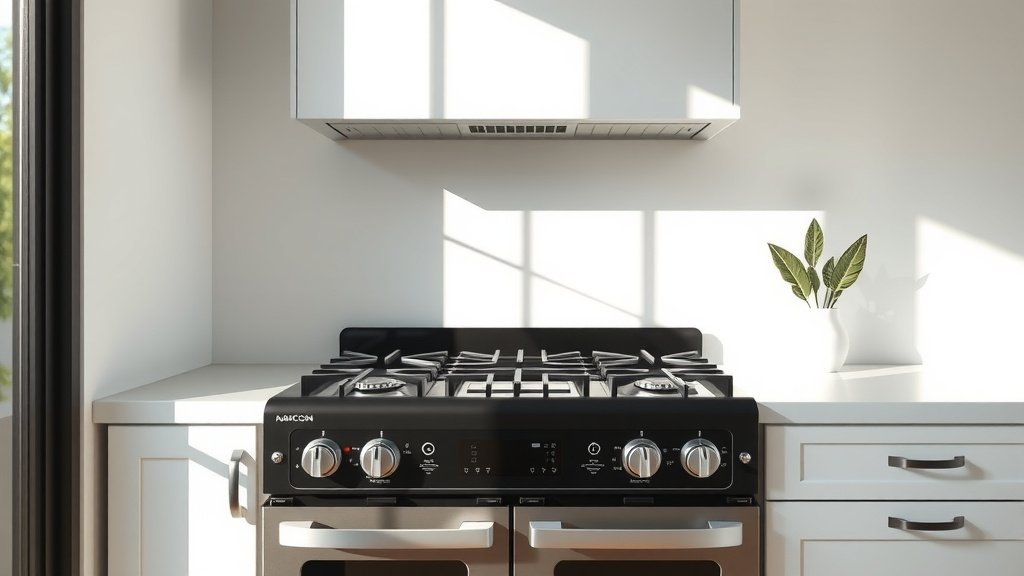
Cooking with a gas oven involves understanding its distinct moist heat and ensuring thorough preheating, which often leads to wonderfully tender roasts and perfectly risen baked goods.
To cook with a gas oven effectively, you should always allow ample preheating time and consider rotating dishes for uniform cooking due to their inherent hot spots.
Here’s a quick overview of what you’ll find in this guide:
- Gas ovens provide a moist heat, making them great for tender and juicy dishes.
- Always fully preheat your gas oven to achieve consistent and reliable cooking.
- Be aware of potential hot spots and remember to rotate your food for even baking or roasting.
- You might need to adjust recipes, perhaps using slightly shorter cooking times or lower temperatures.
- Prioritize safety by ensuring good ventilation and having a carbon monoxide detector in place.
How To Cook With A Gas Oven?
Cooking with a gas oven means harnessing its unique moist heat, which is fantastic for creating tender meats and beautifully risen baked goods. You’ll want to preheat thoroughly and learn to work with its heat distribution for the best outcomes.
Understanding Your Gas Oven’s Heat
Gas ovens work by igniting natural gas or propane, creating a flame that heats the oven cavity. This process generates a moister heat compared to electric ovens, which can be a real advantage for many dishes.
We found that this moisture helps prevent foods from drying out, particularly useful for items like casseroles and roasted chicken. Think of it as a gentle, enveloping warmth.
The Preheating Process
Preheating is non-negotiable with a gas oven. It takes time for the entire cavity to reach and stabilize at your set temperature. Don’t rush this step!
Many experts say to allow an extra 10-15 minutes after the preheat indicator light or chime goes off. This ensures the oven walls are fully saturated with heat, creating a stable environment for your food.
Gas Oven Hot Spots
Like any oven, gas ovens can have hot spots where the heat concentrates more intensely. You might notice one side of a cookie sheet browning faster than the other. This is completely normal.
The trick is to rotate your dishes halfway through the cooking time. A simple turn can make a big difference in achieving even results.
Essential Tools for Gas Oven Cooking
Having the right tools makes gas oven cooking much easier. You don’t need fancy gadgets, just a few reliable items.
- An oven thermometer is key. Don’t rely solely on your oven’s dial; it might not be perfectly accurate (NIST).
- Heavy-gauge baking sheets and roasting pans ensure even heat distribution.
- Oven mitts, of course, are a must-have for safety.
- A sturdy timer will help you keep track of cooking times precisely.
Mastering Temperature and Timing
While gas ovens offer fantastic results, they might cook a little differently than an electric model. This means you might need to make small adjustments to your usual recipes.
Don’t be afraid to experiment a little. Over time, you’ll develop an instinct for how your particular oven performs.
Adjusting Recipes for Gas Ovens
Research often suggests that because gas ovens tend to have moist heat, you might sometimes need to bake at a slightly lower temperature or for a shorter duration. For instance, if a recipe calls for 375°F in an electric oven, you might start with 350°F in your gas oven.
Always keep an eye on your food, especially the first few times you try a new recipe. Your eyes and nose are your best tools!
Baking in a Gas Oven
Baking is where the moist heat of a gas oven really shines. Cakes often turn out incredibly fluffy, and bread gets a beautiful crust without drying out.
However, you’ll want to be mindful of browning. The direct flame can sometimes cause the bottom of baked goods to brown faster.
Tips for Even Baking
For consistent baking, place your racks in the middle of the oven. This positions your food away from the most direct heat source and closer to the general air circulation.
If you notice the bottoms of your baked goods browning too quickly, try using a lighter colored baking sheet or placing a sheet of foil on the rack below your pan.
Roasting Meats and Vegetables
Gas ovens are fantastic for roasting. That moist heat helps keep meats juicy and prevents vegetables from becoming too dry and crispy on the outside while remaining tender within.
For best results, allow your roasts to come to room temperature before placing them in the oven. This promotes more even cooking throughout.
Getting Crispy Results
Want a crispy skin on your chicken or perfectly browned roasted potatoes? Many chefs say to pat your food very dry before roasting. A dry surface helps achieve that desirable crunch.
You can also increase the temperature during the last 15-20 minutes of cooking. This blast of higher heat can help brown and crisp the exterior.
Broiling with Gas
Most gas ovens have a broiler, often located in a separate drawer beneath the main oven cavity. Gas broilers offer intense, direct heat, which is excellent for quickly searing or finishing dishes.
Be aware that gas broilers can be very powerful. Keep a close watch to prevent burning, as things can go from perfectly golden to charred in seconds.
| Feature | Gas Broiler | Electric Broiler |
|---|---|---|
| Heat Source | Open flame | Heated coil |
| Heat Type | Radiant and convective | Purely radiant |
| Heating Speed | Very fast to heat up | Fast to heat up |
| Intensity | Can be extremely intense | Consistent and strong |
| Best For | Quick searing, charring | Even browning, melting cheese |
Safety First with Gas Ovens
Operating a gas oven safely is incredibly important. While modern gas ovens are designed with many safety features, being aware of a few key points will ensure your peace of mind.
Always ensure your kitchen is well-ventilated, especially when using the oven or stovetop. An open window or an exhaust fan can make a big difference.
Carbon Monoxide Awareness
Gas appliances produce carbon monoxide, an odorless, colorless gas. While your oven is designed to vent this safely, it’s wise to have a detector.
Here’s a simple safety checklist:
- Install a carbon monoxide detector near your kitchen.
- Check detector batteries twice a year.
- Ensure proper ventilation while cooking.
- Never use your oven to heat your home.
- Have your gas appliances inspected periodically by a qualified professional.
- If you smell gas, turn off the appliance, open windows, and call your gas company.
Conclusion
Cooking with a gas oven can be a truly rewarding experience, offering unique benefits that bring out the best in many dishes. By understanding its moist heat, allowing proper preheating, and being mindful of hot spots, you can confidently create delicious meals.
Remember to keep safety in mind, use an oven thermometer, and don’t be afraid to adjust recipes slightly as you get to know your specific oven. With a little practice and patience, you’ll soon be cooking like a seasoned pro in your gas oven!
Can I use aluminum foil on the bottom of a gas oven?
No, it’s generally not recommended to place aluminum foil directly on the bottom of a gas oven. It can block the heat vents, interfere with proper air circulation, and potentially cause gas flow issues or even carbon monoxide buildup. If you need to catch drips, use a baking sheet or foil-lined pan on a rack below your food.
Why does my gas oven take so long to preheat?
Gas ovens often take longer to preheat than electric ovens because they heat the oven cavity with a flame, which then radiates heat to the air and walls. This process takes time for the entire internal environment to stabilize at the desired temperature. Allowing extra time after the indicator light suggests it’s ready is often a good practice.
How do I prevent the bottom of my baked goods from burning in a gas oven?
To prevent the bottom of your baked goods from burning, try moving your oven rack up to the middle position. You can also use lighter-colored baking pans, which reflect heat better than dark ones. Placing an empty baking sheet on the rack below your food can also create a buffer against direct heat.
Is it normal for a gas oven to have an odor when first used?
Yes, it is quite normal for a new gas oven to have a slight odor during its first few uses. This is usually due to the “burn-off” of manufacturing oils or protective coatings. Many manufacturers recommend running the empty oven at a high temperature (like 400°F) for 30-60 minutes with good ventilation before first use to eliminate this smell.
Do gas ovens cook faster or slower than electric ovens?
This can vary, but gas ovens often cook at a similar or sometimes slightly faster rate than electric ovens, especially due to their more intense and moist heat. However, specific cooking times always depend on the recipe, the actual oven’s calibration, and your individual cooking habits. It’s always best to monitor your food closely and use an oven thermometer.
