
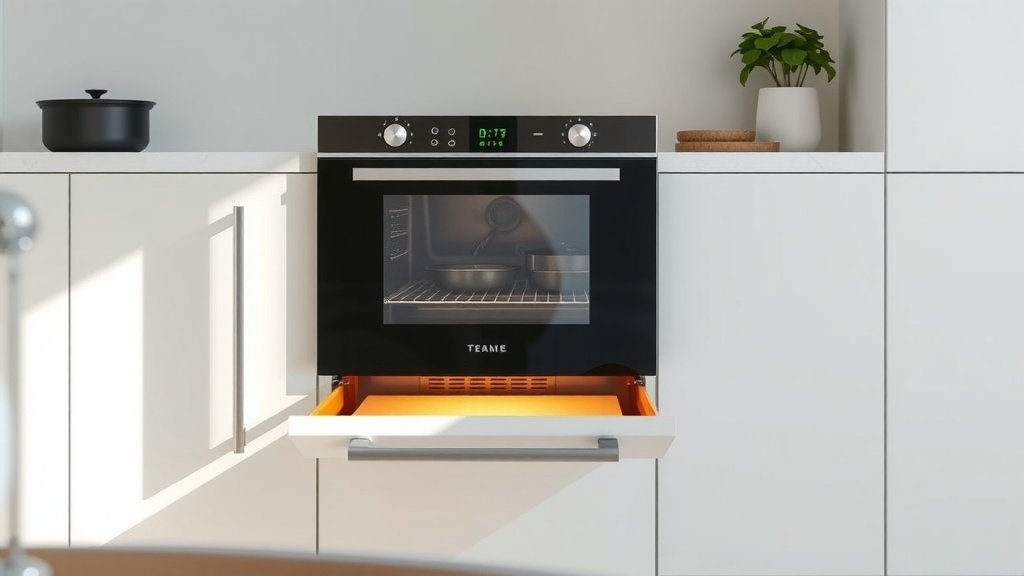
Using the very bottom of an electric oven for warming food is generally not recommended due to uneven heat distribution and potential food safety risks.
While some older ovens might have a warming drawer at the very bottom, placing food directly on the floor of the main oven cavity can lead to burning, drying out, or dangerous bacterial growth.
- The bottom of an electric oven is often too hot for safe food warming.
- Direct placement can cause food to burn or dry out quickly.
- Uneven heating creates “cold spots” where bacteria can multiply.
- Always use a warming drawer or the oven’s lowest temperature setting instead.
- Prioritize food safety to prevent illness.
Can You Use Electric Oven Bottom For Warming?
In most modern electric ovens, you should avoid using the very bottom for warming food. This area often gets too hot, creating uneven temperatures that are not ideal for keeping dishes warm safely.
Why Consider the Bottom?
Many people wonder about using the oven bottom. It seems like a logical spot for extra warmth. Perhaps you’re running out of rack space. Or maybe you just need to keep a dish toasty until dinner is served.
It’s a common thought, especially when juggling multiple dishes. You want every part of your meal to be served warm. We understand the desire to use every available inch of oven space.
How Your Electric Oven Heats
Electric ovens use heating elements to create warmth. These elements are often found at the top and bottom. They cycle on and off to maintain a set temperature.
The bottom element provides the primary heat for baking. It can become quite intense during its heating cycle. This direct heat isn’t meant for gentle warming.
The Dangers of Direct Bottom Placement
Placing food directly on the oven floor brings several problems. It can lead to food quality issues. More importantly, it can create serious safety concerns.
Think of it like putting food directly on a stovetop burner. The heat is concentrated. This is not how you want to keep food warm and ready.
Food Safety is Key
One big risk is entering the “danger zone.” This is between 40°F and 140°F. Bacteria grow rapidly in this temperature range (FoodSafety.gov).
The oven bottom’s inconsistent heat can leave some parts of your food too cool. This allows harmful bacteria to multiply quickly. You definitely don’t want to serve food that could cause illness.
Risk of Oven Damage
Sometimes, food can spill or bake onto the oven floor. This residue can become very difficult to clean. It might even lead to smoke or odd smells during future use.
Also, some oven bottoms have a protective coating. Placing heavy, hot dishes directly on it might cause scratches. Always protect your appliance where possible.
Safer Alternatives for Warming Food
There are much better ways to keep your food warm. These methods are both safer and more effective. You can achieve perfectly warm food without worries.
Let’s look at some smart solutions. These options help maintain both taste and food safety. Your guests will thank you for warm, delicious meals.
The Warming Drawer: Your Best Friend
If your electric oven has a warming drawer, use it! This feature is specifically designed for keeping food warm. It maintains a consistent, gentle temperature.
Warming drawers typically operate at lower temperatures. They prevent food from drying out. They also keep it above the bacterial danger zone (Appliance Manufacturer Guide).
Low Oven Temperature Technique
No warming drawer? No problem. Set your oven to its lowest possible temperature, often around 170°F to 200°F. This creates a gentle warming environment.
Place your food on a rack in the middle of the oven. Cover it loosely with foil. This helps retain moisture and prevents overcooking.
Other Helpful Kitchen Tools
Beyond the oven, other tools can help you keep food warm. These are great for specific dishes or for serving buffets. We found many chefs rely on these methods.
Here’s a quick look at some popular options:
| Tool | Best For | Benefit |
|---|---|---|
| Slow Cooker | Soups, stews, casseroles | Gentle, consistent heat; great for serving |
| Chafing Dish | Buffets, large gatherings | Keeps multiple dishes warm for hours |
| Insulated Food Carriers | Potlucks, transport | Holds heat for travel, no power needed |
| Microwave (briefly) | Plates, individual servings | Quick re-heat, not for long warming |
What to Avoid When Warming Food
To ensure your food remains delicious and safe, steer clear of certain practices. These tips will help you avoid common warming mistakes. You want to serve the best possible meal.
Making a mental note of these points can prevent issues. It’s about being prepared and knowing the limits. Always put safety first when it comes to food.
- Do NOT use the oven broiler to warm food; it’s too intense.
- Do NOT cover food tightly with plastic wrap in a warm oven.
- Do NOT warm food for longer than 2-3 hours to maintain quality.
- Do NOT place cold plates directly onto a very hot surface.
- Do NOT mix freshly cooked food with already warmed food.
When the Bottom Might Seem Okay (But Still Be Careful)
Some older ovens might have a truly separate bottom compartment. This area might be specifically designed for warming. Always check your appliance manual to be sure.
If your oven has a dedicated warming drawer below the main oven, that’s different. That’s its intended purpose. But the actual floor of the baking compartment is usually not.
Expert Advice for Safe Warming
Many experts say that consistency is key when warming food. You need to keep the entire dish above 140°F (USDA Food Safety). Use an instant-read thermometer if you’re unsure.
Preheating your oven to the low warming temperature is also important. This creates a stable environment. It ensures your food stays warm uniformly.
Understanding Uneven Heat
Think about how heat rises in an oven. The air near the bottom element is the hottest. This intense, direct heat makes uniform warming nearly impossible on the floor.
Food placed directly on the bottom will heat unevenly. The part touching the floor could burn. Other parts might remain lukewarm, leading to issues.
Making the Right Warming Choice
Choosing the right method for warming food makes a big difference. It impacts both the taste and safety of your meal. You have options that work well.
Focus on techniques that offer gentle, consistent heat. This prevents your food from drying out. It also keeps it out of the temperature danger zone.
Conclusion
While the idea of using the electric oven bottom for warming might cross your mind, it’s generally not the best or safest practice. The risk of burning your food, drying it out, or creating a breeding ground for bacteria is simply too high. We found that dedicated warming drawers or setting your oven to its lowest temperature are far superior and safer choices. Always prioritize food safety and the quality of your culinary creations. Your guests will appreciate the effort, and you’ll have peace of mind.
Can I use aluminum foil directly on the oven bottom for warming?
No, placing aluminum foil directly on the bottom of an electric oven is not recommended. It can trap heat, affect oven performance, potentially melt onto the oven floor, and even be a fire hazard. Always place food or foil on an oven rack.
How long can I safely keep food warm in an oven?
Most food safety guidelines suggest keeping food warm in an oven at a temperature of at least 140°F (60°C) for no more than 2-4 hours. After this time, the quality of the food may decline, and the risk of bacterial growth increases (USDA Food Safety).
What’s the ideal temperature for warming food in an electric oven?
The ideal temperature for warming food in a conventional electric oven is typically its lowest setting, usually between 170°F (77°C) and 200°F (93°C). This temperature range keeps food warm without actively cooking it further or drying it out excessively.
Is it okay to put a ceramic dish directly on the oven floor for warming?
Even with a ceramic dish, placing it directly on the oven floor for warming is not advised. The direct, intense heat from the bottom element can still cause uneven heating of the dish and its contents, leading to potential hot spots or cold spots in the food.
Do all electric ovens have a warming drawer?
No, not all electric ovens come equipped with a dedicated warming drawer. This feature is more common in higher-end or newer models. If your oven doesn’t have one, using the lowest oven temperature on a rack is the next best option for warming.
