
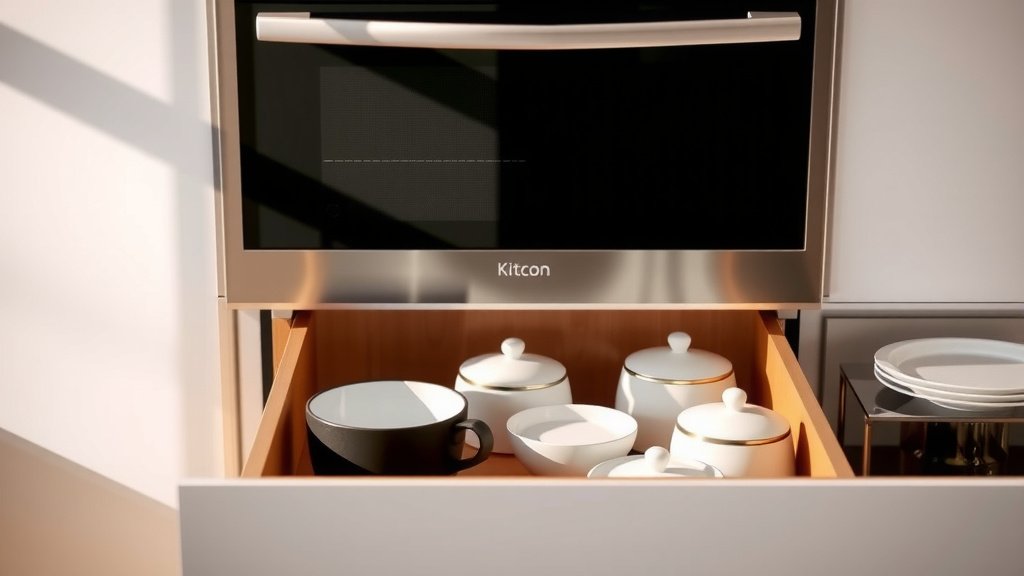
You might be wondering, “Can you use gas oven bottom drawer for warming?” The answer really depends on the specific design of your oven: some bottom drawers are dedicated warming drawers, while others are purely for storage.
If your gas oven’s bottom drawer is a warming drawer, it is designed to keep food warm. However, if it’s a storage drawer, using it for warming can be risky and is not recommended.
- The bottom drawer of your gas oven is either a warming drawer or a storage drawer.
- A true warming drawer has its own heating element and controls, ideal for keeping cooked food at serving temperature.
- A storage drawer lacks heating capabilities and is only for storing bakeware or pots.
- Using a storage drawer for warming can lead to uneven heating, potential fire hazards, and unsafe food temperatures.
- Always check your oven’s manual to confirm your drawer’s purpose for safety and best results.
Can You Use Gas Oven Bottom Drawer For Warming?
Whether your gas oven’s bottom drawer can keep food warm depends entirely on its intended function. It’s either a specifically designed warming drawer or a simple storage drawer. Knowing the difference is key for both safety and effective food preservation.
Understanding Your Gas Oven’s Bottom Drawer
Modern gas ovens come with various features. One common element is the drawer located underneath the main oven cavity. But this drawer isn’t always the same across all models. You need to identify what type of drawer you have.
What is a Warming Drawer?
A warming drawer is a fantastic feature designed specifically to keep cooked food at serving temperature without further cooking it. We found that these drawers typically have their own heating element and temperature controls (Many experts say, usually between 140°F and 200°F). They are often found on higher-end gas oven models.
What is a Storage Drawer?
Most standard gas ovens, especially older models, feature a storage drawer at the bottom. This drawer’s sole purpose is to store bakeware, cookie sheets, or other kitchen utensils. It does not have a heating element and is not designed to withstand high temperatures for extended periods. It merely sits below the oven cavity.
Why the Distinction Matters for Safety
The difference between a warming drawer and a storage drawer isn’t just a minor detail; it’s a critical safety concern. Using the wrong drawer for the wrong purpose can lead to serious issues. Think of it like using a screwdriver when you really need a hammer – it might seem to do the job, but it’s not safe or efficient.
The Risks of Using a Storage Drawer for Warming
If your gas oven has a storage drawer, trying to use it for warming food is generally a bad idea. We found several reasons why this practice is strongly discouraged. It’s better to be safe than sorry when it comes to food and heat.
Uneven Heating Concerns
A storage drawer relies on residual heat from the oven above it. This means the heat distribution will be highly inconsistent and unreliable. Your food might get warm in some spots but remain cool in others. This uneven heating isn’t good for taste or texture.
Fire Hazard Risks
Placing food or dishes in a non-warming storage drawer, especially for extended periods, can pose a fire risk. The drawer materials might not be rated for sustained heat exposure. Research often connects improper appliance use with increased household fires (NFPA). You wouldn’t want to put anything in there that could melt or catch fire due to unexpected heat exposure.
Food Safety Issues
Food safety is paramount. Keeping food at temperatures between 40°F and 140°F for too long creates a “danger zone” where bacteria can multiply rapidly. Since a storage drawer can’t maintain a consistent, safe warming temperature, your food could become unsafe to eat (USDA guidelines).
How to Safely Keep Food Warm
So, if your bottom drawer isn’t a warming drawer, what are your options for keeping food warm safely? There are several effective methods you can use. Don’t worry, you have plenty of reliable choices.
Proper Warming Drawer Use
If you are lucky enough to have a true warming drawer, congratulations! This is its primary function. Simply follow your oven’s manual for operating instructions. Set the temperature, place your cooked food inside, and enjoy perfectly warm dishes.
Low Oven Temperature Technique
You can use your main oven cavity at a very low temperature. Many experts suggest setting your oven to its lowest possible temperature, usually around 170°F to 200°F. This is great for dishes like casseroles, roasts, or bread. Just be mindful not to overcook or dry out your food.
Alternative Warming Solutions
Sometimes, dedicated appliances or simple kitchen tools work best. We found that there are many other ways to keep food warm. Consider these practical alternatives:
| Method | Best For | Notes |
|---|---|---|
| Slow Cooker | Soups, stews, dips | Keeps food warm for hours without overcooking. |
| Chafing Dish | Buffet-style meals, large gatherings | Uses external heat to maintain temperature. |
| Insulated Food Carriers | Transporting food, potlucks | Retains heat for a few hours. |
| Microwave (Warm Setting) | Small portions, quick warm-up | Check if your model has a “keep warm” function. |
Quick Checklist for Warming Food
- Read your oven manual to identify your drawer type.
- Use a dedicated warming drawer if available.
- Opt for your main oven on the lowest temperature setting.
- Cover food tightly with foil to prevent drying out.
- Use a food thermometer to ensure food stays above 140°F.
- Consider alternative warming appliances for convenience.
Is Your Drawer Safe for Dishes?
Even if your bottom drawer is just for storage, is it safe to store bakeware or dishes there? Generally, yes. Storage drawers are designed to hold kitchen items safely. Just ensure anything you put in there is oven-safe in case of residual heat. Always make sure items are clean and dry before storing them away.
Conclusion
So, can you use your gas oven bottom drawer for warming? The definitive answer depends on whether it’s a dedicated warming drawer or a simple storage drawer. Always check your appliance manual to confirm its purpose. Using a storage drawer for warming creates safety hazards, risks uneven heating, and can compromise food safety. For keeping food warm, rely on proper warming drawers, your main oven at a low setting, or other safe alternatives like slow cookers. Prioritize safety and enjoy perfectly warm food every time!
Is it safe to store pots and pans in the bottom drawer of a gas oven?
Yes, it is generally safe to store pots, pans, and other bakeware in the bottom drawer of a gas oven if it is a designated storage drawer. These drawers are built for this purpose and can handle residual heat from the oven above.
How do I know if my oven has a warming drawer or a storage drawer?
The easiest way to tell is by checking your oven’s owner’s manual. A true warming drawer will often have its own control knob or button with temperature settings. A storage drawer typically just pulls out without any controls or heating elements.
Can I preheat dishes in the storage drawer before serving?
No, you should not attempt to preheat dishes in a storage drawer. It does not provide controlled heat, and dishes will not warm evenly or safely. Use your main oven cavity at a low temperature for preheating dishes if you need them warm for serving.
What temperature should a warming drawer be set to?
Most warming drawers are designed to keep food at serving temperatures, typically ranging from 140°F to 200°F (Many experts say, 60°C to 93°C). Always refer to your specific oven’s manual for recommended temperature settings, as these can vary slightly by model.
Can I use aluminum foil to keep food warm in a regular oven?
Yes, using aluminum foil to cover food when keeping it warm in a regular oven set to its lowest temperature is a good practice. The foil helps to trap moisture and prevent the food from drying out, while also maintaining an even temperature.
