
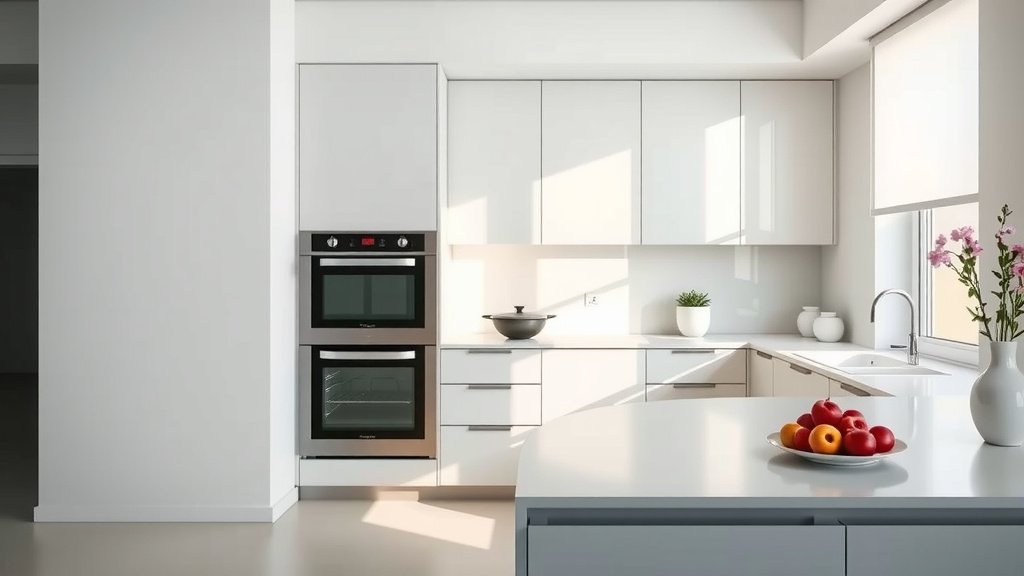
Yes, a double oven almost always needs its own dedicated electrical circuit. This is crucial for safety and to ensure your appliance operates efficiently without overloading your home’s electrical system.
Each double oven demands a significant amount of power, typically requiring a separate, high-amperage circuit to prevent electrical hazards and tripping breakers.
Here’s a quick overview of what you’ll find in this article:
- Double ovens typically require a 240-volt, 40-50 amp dedicated circuit.
- Sharing a circuit can lead to tripped breakers or even fire risks.
- Always consult a certified electrician for proper installation and circuit checks.
- Installation costs often include electrical upgrades if your home isn’t ready.
Does Double Oven Need Its Own Electrical Circuit?
Yes, a double oven needs its own electrical circuit. This ensures safety and proper function.
Imagine trying to power a large RV with a garden hose; it simply won’t work well. Your double oven is similar, needing a lot of power. We found that most double ovens draw significant wattage. This high demand means it requires its own dedicated circuit.
Why a Dedicated Circuit is So Important
You might wonder why a single appliance needs such special attention. It’s all about power draw and safety. When your double oven is cooking, especially using both ovens, it pulls a lot of electricity. Sharing a circuit could create a dangerous situation.
Think of it like sharing one slice of pizza among many hungry people. Someone is going to be left out or the slice will be gone quickly. An electrical circuit shared by too many appliances will struggle to meet demand. This often leads to issues you definitely want to avoid.
Understanding Electrical Circuits
An electrical circuit is a loop that carries electricity from your main panel to an appliance. Each circuit has a breaker, which is a safety device. This breaker trips and cuts power if it detects an overload. It’s a quick, mechanical superhero preventing damage or fire.
Different appliances need different circuits. A lamp needs very little power, so it can share a circuit. A double oven, however, needs a lot. Many experts say that high-wattage appliances always need their own lines (National Electrical Code).
What Happens Without a Dedicated Circuit?
If your double oven shares a circuit, you will likely experience problems. The most common issue is a tripped breaker. This happens when the circuit cannot handle the combined power draw. You’re trying to bake a lasagna and cookies, and suddenly, everything goes dark in the kitchen. Frustrating, right?
Beyond inconvenience, there are real risks. Consistent overloads can cause wires to overheat. Overheated wires can damage your home’s electrical system. In worst-case scenarios, this can even lead to an electrical fire. Safety is paramount, especially in your kitchen.
Typical Power Requirements for Double Ovens
What kind of power are we talking about? Double ovens typically operate on 240 volts. They usually require an amperage ranging from 30 to 50 amps. This is significantly more than standard household outlets, which are usually 120 volts and 15-20 amps.
Always check your oven’s specific requirements. The manufacturer’s manual will list the exact voltage and amperage needed. This information is key for your electrician. We found that most manuals clearly state the circuit requirements.
Here’s a general comparison:
| Appliance Type | Voltage | Amperage | Circuit Type |
|---|---|---|---|
| Standard Light Fixture | 120V | 5-10A | Shared |
| Microwave Oven | 120V | 15-20A | Shared/Dedicated |
| Electric Double Oven | 240V | 30-50A | Dedicated |
| Washing Machine | 120V | 15-20A | Dedicated |
Is Your Home Ready for a Double Oven?
Before you get excited about dual baking, consider your home’s electrical setup. If you live in an older home, it might not have the capacity for modern, high-power appliances. An older electrical panel may need an upgrade. It’s a common scenario for many homeowners.
A simple visual inspection won’t tell you everything. You’ll need a qualified electrician to assess your current panel. They can tell you if you have enough space for a new circuit breaker. They will also check if your wiring can support the double oven’s demands.
The Installation Process: What to Expect
Installing a double oven and its dedicated circuit is not a DIY project. It involves working with high voltage. This work should always be handled by a certified electrician. They understand the local electrical codes and safety standards.
The electrician will run a new wire from your main electrical panel to the oven’s location. They will then install a new circuit breaker in the panel. This ensures your oven has its own direct, safe power supply. It’s a specialized job for a professional.
Cost Considerations for a New Circuit
Of course, there’s a cost involved in adding a new circuit. The price can vary based on several factors. These include the distance from the electrical panel to the oven, the complexity of the wiring, and local labor rates. Expect to pay for both parts and labor.
While it’s an added expense, consider it an investment in safety and convenience. Trying to cut corners here could lead to much more expensive problems later. Many experts agree that proper electrical work is worth every penny.
Here’s a quick checklist before installing your double oven:
- Review the oven’s manual for specific electrical needs.
- Consult a licensed electrician for a home electrical assessment.
- Confirm your electrical panel has enough available space.
- Budget for a new dedicated 240V, 30-50 amp circuit installation.
- Schedule the electrical work before the oven delivery.
Gas vs. Electric Double Ovens: A Quick Look
It’s worth noting that this discussion mainly applies to electric double ovens. Gas double ovens have different needs. While they still need a 120-volt electrical outlet for their igniter and lights, their primary heat source is gas. They won’t need a high-amperage dedicated circuit like electric models.
If you’re considering a gas oven, you’ll need a gas line connection. Always ensure proper ventilation for gas appliances. This is another important safety consideration for your home.
When to Call an Electrician
You should call an electrician whenever you are installing a major appliance. This is especially true for any 240-volt appliance. Signs like frequently tripping breakers or flickering lights are also red flags. They suggest your current electrical system might be overloaded. Don’t wait for a problem to get worse.
Even if you think your home is new enough, an electrician’s inspection offers peace of mind. It ensures everything is up to code. It protects your family and your home. We found that most homeowners appreciate this expert guidance.
Conclusion
A double oven is a fantastic addition to any kitchen, offering incredible cooking flexibility. However, understanding its electrical needs is vital. Research consistently shows that a dedicated, high-amperage 240-volt circuit is essential for an electric double oven. This isn’t just a recommendation; it’s a safety standard.
Investing in the correct electrical setup ensures your oven operates reliably. It also protects your home from potential electrical hazards. Always partner with a qualified electrician. They will guarantee a safe and proper installation, letting you enjoy your new double oven worry-free.
What is the difference between a dedicated circuit and a shared circuit?
A dedicated circuit powers only one appliance, ensuring it gets all the necessary electricity without competition. A shared circuit powers multiple outlets or appliances, meaning they divide the available power. High-demand appliances, like double ovens, need dedicated circuits to avoid overloads.
Can I plug my double oven into a standard wall outlet?
No, you cannot plug an electric double oven into a standard 120-volt wall outlet. Double ovens require a 240-volt outlet with a much higher amperage, typically 30-50 amps, which is distinct from regular household outlets. Doing so would be unsafe and could damage the oven or your home’s wiring.
How do I know if my electrical panel can handle a new circuit?
The best way to know is by having a licensed electrician inspect your electrical panel. They can assess its current capacity, determine if there’s space for a new breaker, and check if your home’s overall electrical service can support the additional load without issues.
Are there any specific safety codes for double oven electrical installation?
Yes, the National Electrical Code (NEC) provides specific guidelines for appliance wiring, including those for double ovens. Local building codes may also have additional requirements. A qualified electrician will be familiar with all applicable codes to ensure a safe and compliant installation.
What if I use an adapter or extension cord for my double oven?
You should never use an adapter or an extension cord with a double oven. These appliances draw too much power, and adapters or extension cords are not designed to handle such high loads. Using them can cause overheating, electrical fires, or severe damage to your appliance and home.
