
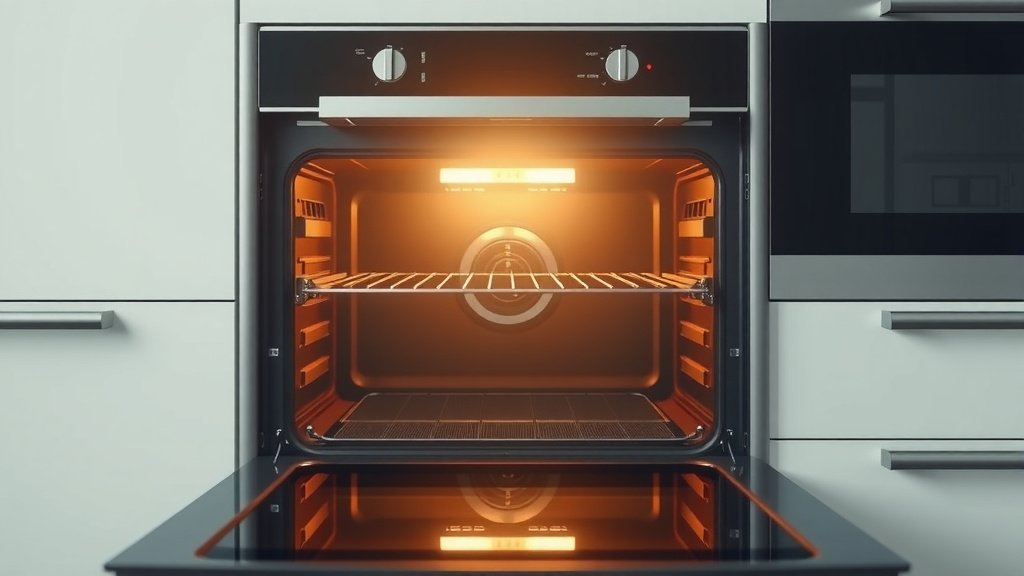
An electric oven generally takes about 10 to 15 minutes to preheat to a standard temperature range, such as 350°F (175°C) to 400°F (200°C).
However, the precise time for your electric oven to preheat can differ significantly based on its specific model, age, and the target temperature you set.
- Most electric ovens reach baking temperatures in 10-15 minutes.
- Older ovens or higher temperatures often need more preheating time.
- Always wait for the oven’s indicator light or sound before placing food inside.
- Proper preheating ensures even cooking and consistent results every time.
How Long To Preheat An Electric Oven?
Most electric ovens need around 10 to 15 minutes to reach your desired temperature, typically between 350°F and 400°F.
Why Preheating Your Oven Matters So Much
Preheating is more than just waiting; it’s about cooking success. Think of it like a perfectly warmed pan before searing a steak. You want that immediate, consistent heat.
When you place food into a cold oven, the temperature rises slowly. This slow rise can change your cooking times and affect the texture of your food significantly.
For baked goods, a cold oven might lead to sad, flat cakes or dense breads. For roasts, it could mean uneven cooking, with some parts underdone and others overcooked (Culinary Institute of America).
Understanding Preheat Time Factors
Many things influence how long your electric oven takes to heat up. It’s not a one-size-fits-all answer. Your oven is unique, after all.
The Oven’s Starting Temperature
If your kitchen is cool, your oven will naturally take a bit longer to heat up. A cold start means more work for the heating elements to get to the target warmth.
Desired Temperature Setting
Are you aiming for a gentle 300°F or a scorching 500°F? Higher temperatures demand more time and energy from your oven. It’s like asking your car to go from 0 to 30 mph versus 0 to 60 mph.
Oven Size and Insulation
A larger oven cavity has more air to heat, which can extend preheat times. Better insulation helps an oven hold onto heat, but initially, it still needs to warm up that bigger space.
Heating Element Efficiency
Older ovens might have less efficient heating elements. We found that newer models often feature faster preheating cycles due to advancements in technology (Consumer Reports).
Rack Placement Inside
Oddly enough, having too many racks or heavy baking sheets inside can sometimes slow down the initial preheat. They absorb heat, making the oven work harder to warm the air around them.
Typical Preheat Times for Common Temperatures
Here’s a quick guide to what you might expect for an average electric oven. Keep in mind, these are estimates.
| Desired Temperature | Approximate Preheat Time |
|---|---|
| 300°F (150°C) | 8-12 minutes |
| 350°F (175°C) | 10-15 minutes |
| 400°F (200°C) | 12-18 minutes |
| 425°F (220°C) | 15-20 minutes |
| 450°F (230°C) | 18-25 minutes |
Signs Your Electric Oven Is Ready
Most modern electric ovens will tell you when they’ve reached temperature. Look for a light that turns on or off, or listen for a distinct beep. Do you know your oven’s signal?
Waiting for this signal is important. The oven might show the target temperature on its display a bit early. But the interior walls and racks need time to fully absorb and radiate that heat too.
Tips for Faster Oven Preheating
Want to shave a few minutes off your wait time? Try these simple tricks.
- Clear the clutter: Remove extra oven racks you won’t be using. Fewer items mean less to heat up.
- Keep the door shut: Opening the oven door releases heat, forcing it to work harder to recover.
- Check your seal: Make sure your oven door gasket isn’t worn out. A good seal keeps heat where it belongs.
- Clean regularly: A buildup of grease or food debris can sometimes affect heating efficiency.
When is Preheating NOT Necessary?
Is there ever a time you don’t need to preheat? Rarely, but yes. For some slow-cooked dishes like certain casseroles or stews, starting in a cold oven might be acceptable. This is often specified in the recipe itself.
However, for baking or roasting, preheating is almost always a must-do. When in doubt, always follow the recipe’s instructions.
Maintaining Oven Temperature: A Crucial Step
Once your oven reaches temperature, it doesn’t just stay there perfectly still. It cycles on and off to maintain the heat. This is normal behavior.
Try to avoid frequently opening the oven door during cooking. Each time you peek, you let out a burst of heat, and the oven has to kick back on to regain its warmth (Good Housekeeping Institute).
Is Your Oven Thermostat Accurate?
Sometimes, an oven might display 350°F, but it’s actually hotter or cooler inside. This can happen with older appliances. Have you ever suspected your oven runs a bit off?
You can check this with a simple oven thermometer, available at most kitchen stores. Place it inside, preheat your oven, and compare the readings. If there’s a big difference, you might need a service check or just learn to adjust your recipes slightly.
Checklist for Optimal Preheat Performance
Here’s a quick mental checklist to ensure your oven preheats well every time:
- Is the oven door fully closed and sealed?
- Are unused racks removed from the oven?
- Have you set the correct temperature for your recipe?
- Are you waiting for the ‘ready’ signal (light/beep)?
- Is your oven relatively clean from debris?
Conclusion
Preheating your electric oven might feel like an extra step, but it’s a small investment of time for big cooking rewards. Understanding the factors that affect preheat times, recognizing your oven’s “ready” signal, and implementing a few simple tips can truly elevate your culinary creations.
Remember, a properly preheated oven ensures even cooking, consistent results, and happy eaters. So, be patient, let your oven warm up properly, and enjoy perfectly cooked meals every time.
Frequently Asked Questions About Oven Preheating
Is 10 minutes enough to preheat an electric oven?
For many recipes requiring temperatures around 300-350°F, 10 minutes can be sufficient, especially in newer, more efficient ovens. However, for higher temperatures or older models, allowing 15 minutes or more is generally a safer bet to ensure the oven is fully stabilized.
What happens if I don’t preheat my electric oven?
Skipping preheating often leads to uneven cooking, altered textures, and longer overall cooking times. Baked goods might not rise properly or could be dense, while roasted items may brown unevenly and could dry out before cooking through.
Does oven preheat time count towards cooking time?
No, the preheat time is separate from the cooking time. Recipes assume you are putting food into an oven that has already reached and stabilized at the specified temperature. Always start your timer only after the oven is fully preheated and the food is inside.
How do I know my electric oven is accurately preheated?
Most electric ovens have an indicator light that turns off, or they emit a beep or chime when they reach the set temperature. For extra assurance, you can use a separate oven thermometer placed inside. Wait until the thermometer shows the correct temperature before adding food.
Does opening the oven door during preheating affect anything?
Yes, opening the oven door during preheating lets a significant amount of heat escape. This forces the oven to work harder and longer to reach the desired temperature, extending your waiting time. Try to keep the door closed until the oven signals it’s ready.
